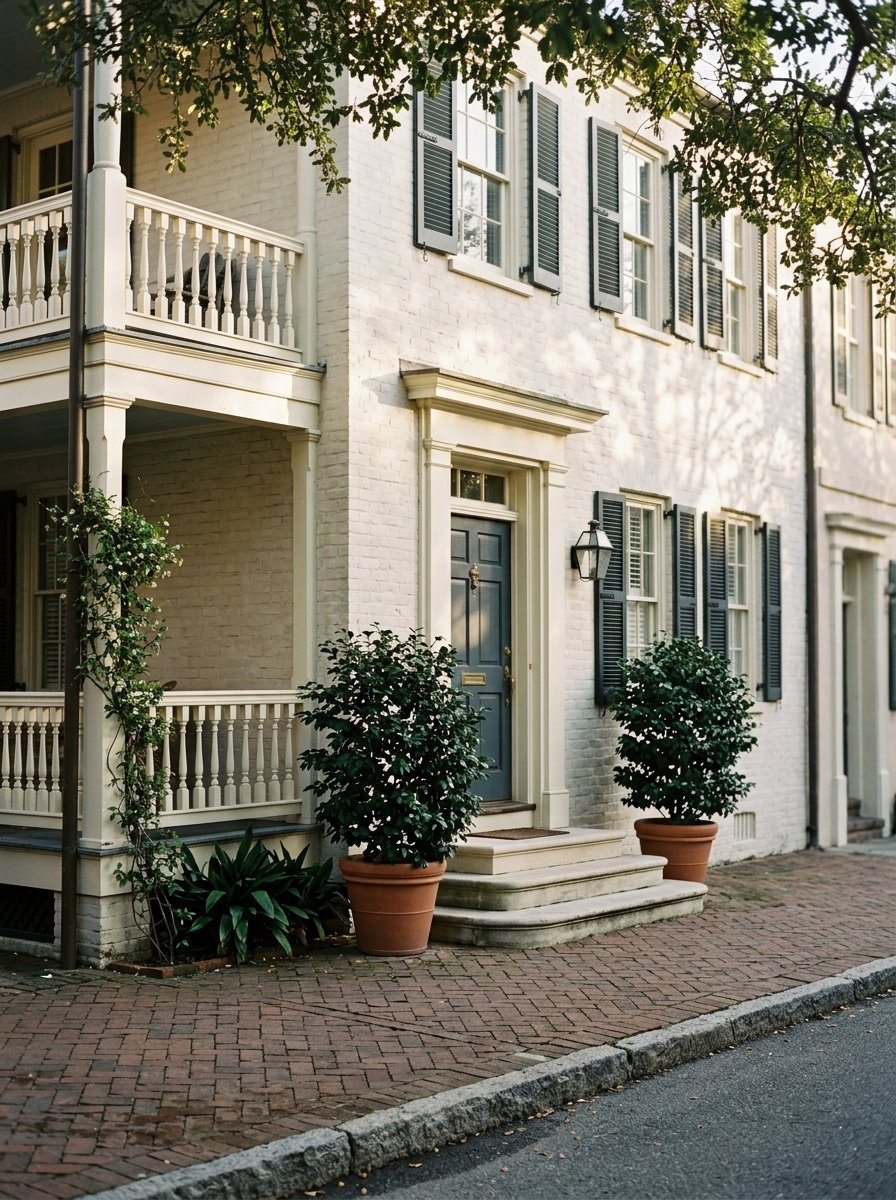
If you are wondering what it is actually like to live on the Charleston Peninsula, the answer is simple: your days tend to unfold in public. A morning walk by the water, a quick errand near King Street, a shuttle ride downtown, or a Saturday stop at Marion Square can all feel like part of one connected routine. That mix of scenery, convenience, culture, and city energy is what gives peninsula life its distinct character. Let’s take a closer look.
A Daily Rhythm Shaped by the Waterfront
Life on the Charleston Peninsula often starts outdoors. Waterfront Park is an eight-acre linear park and pier with garden rooms, swings, lawns, and a walking and jogging path, giving you an easy place to begin the day near the harbor.
Farther south, the High Battery adds another layer to that routine. The City of Charleston says the walk from Cheney Park to the end of the High Battery is 1.2 miles, with views toward Fort Sumter and regular sea breezes that make even a short walk feel memorable.
White Point Garden also fits naturally into everyday life. The city lists it as an off-leash area, which is especially useful if your routine includes morning dog walks or an evening loop at the southern end of downtown.
What stands out is that the waterfront is not just scenic. It is part of how the city functions day to day, and it continues to receive investment that supports access, mobility, and resilience.
Waterfront Beauty Meets Practical Reality
Downtown living on the peninsula comes with both charm and infrastructure work. In February 2026, the City of Charleston said it completed the Low Battery Restoration Project, which strengthened nearly 5,000 feet of the historic Battery and added a raised promenade, improved crossings, upgraded sidewalks, ADA access, and drainage improvements.
That matters if you are picturing daily life here. The harbor edge is beautiful, but it is also a place where resilience, stormwater management, and walkability are part of the lived experience.
In other words, peninsula life is not frozen in time. It is historic, active, and continually maintained to support how people move through the city every day.
Getting Around the Peninsula
One of the biggest appeals of the Charleston Peninsula is that many daily trips can happen without getting in your car. The city’s bicycle and pedestrian planning focuses on a multimodal street network and complete-streets design, and Holy Spokes bike share has 27 stations around the peninsula.
That setup makes short trips feel manageable. If you want to move between the waterfront, Upper King, Marion Square, or nearby downtown destinations, walking or biking can often fit naturally into the day.
CARTA’s free DASH shuttle adds another practical option. Its three downtown routes connect destinations including the Aquarium, College of Charleston, Historic King Street, Broad Street, Waterfront Park, City Market, Charleston Museum, and Upper King, along with hospitals, libraries, grocery stores, shopping centers, and service agencies.
Walkable, But Not Fully Car-Free
The peninsula is best described as car-light rather than fully car-free. You can do a lot on foot, by shuttle, or by bike, but parking still plays a role in daily life for many residents.
The City of Charleston lists downtown garages including Marion Square, Majestic, and Midtown. That means if you live, work, or host guests downtown, part of the routine may include thinking ahead about where to park and how event activity might affect traffic.
This balance is important to understand. The convenience is real, but so is the need to plan around a busy urban core.
King Street Sets the Commercial Pace
If the waterfront shapes the mood of the peninsula, King Street shapes its daily energy. The City of Charleston describes King Street as the region’s shopping and dining hub, with local, regional, and national businesses spanning fashion, art, antiques, home décor, and food.
For residents, that means errands and outings often overlap. You might step out for a practical stop and end up folding in coffee, a gallery visit, or dinner because the street itself keeps activity moving throughout the day.
The city also notes that staff regularly walk the corridor from Broad to Line Street to monitor storefront changes. That detail says a lot about peninsula life: this is an active street economy that continues to evolve.
Small Business Energy Feels Local
King Street is not only a high-traffic retail corridor. It also reflects local entrepreneurship and change over time.
In March 2026, the city celebrated Palmetto Row Collectives at 395-C King Street as a retail incubator supporting small businesses in the downtown shopping district. For you as a resident, that adds a neighborhood feel to an area many people first think of as a visitor destination.
That blend matters. The peninsula functions as a working downtown, a residential setting, and a commercial center all at once.
Marion Square Anchors the Week
Marion Square plays a major role in the rhythm of everyday life. The City of Charleston describes the 10-acre park as serving adjacent neighborhoods and supporting a broad mix of public uses.
It also hosts one of the clearest weekly rituals downtown. The Charleston Farmers Market takes place there on Saturdays from April through November from 8 a.m. to 2 p.m., with additional holiday markets in December.
The market includes local produce, plants, baked goods, prepared foods, artisans, performers, and community groups. That gives the peninsula a regular weekly gathering point that feels just as useful for residents as it does lively.
Weekends Often Happen Close to Home
One of the strongest lifestyle advantages of the Charleston Peninsula is that a weekend does not have to involve much planning. Cultural outings, parks, public events, and downtown institutions are woven closely together.
The City of Charleston Office of Cultural Affairs says its mission is to foster artistic expression and improve quality of life, and that mission shows up in a very visible way across the peninsula. Rather than feeling separate from daily life, cultural programming often becomes part of the backdrop.
That can mean a simple walk downtown turns into an afternoon at a museum, a public performance, or a seasonal event. For many residents, that level of access is a major part of the appeal.
Festival Season Changes the Feel of Downtown
Some times of year bring even more energy to the peninsula. Spoleto Festival USA is a 17-day spring festival, with its 2026 run scheduled for May 22 to June 7, and it fills theaters, churches, and outdoor spaces with performances.
Piccolo Spoleto adds another major layer, with the city saying it has offered more than 500 arts events citywide each year since 1979. During festival periods, the peninsula can feel especially animated, with public spaces and downtown streets taking on a more social and event-driven atmosphere.
MOJA Arts Festival contributes to that calendar as well. The city describes it as a celebration of African-American and Caribbean culture through art, music, dance, food, and community, and in 2025 its opening parade began at Marion Square and moved down King Street.
Museums and Attractions Are Part of the Routine
Not every cultural outing needs to be a major event. The peninsula also offers everyday access to established institutions that help shape the area’s identity.
The Charleston Museum is downtown and says it was founded in 1773. The Gibbes Museum describes itself as being in the heart of downtown and interpreting 350 years of Charleston art, while the South Carolina Aquarium sits on Charleston Harbor near other walkable attractions.
For residents, this means a museum visit can feel less like a special trip and more like an easy option for a free afternoon or an out-of-town guest itinerary. That convenience is a real part of peninsula living.
What Living Here Feels Like Overall
The Charleston Peninsula feels lively, connected, and distinctly urban by Charleston standards. Outdoor spaces, retail corridors, transit options, and cultural destinations are closely interwoven, so your day can move from waterfront calm to downtown activity without much effort.
At the same time, living here means embracing a few practical tradeoffs. Parking management, event traffic, and ongoing flood-resilience work are part of the reality of life beside the harbor in an active downtown setting.
For many buyers, that balance is exactly the draw. You are not choosing a quiet, separated lifestyle. You are choosing a home base where public life, walkable routines, and Charleston’s civic and cultural calendar are right outside your door.
If you are considering a move to the peninsula or weighing how a downtown Charleston lifestyle fits your goals, Robertson Allen can help you navigate the market with local insight and discreet, tailored guidance.
FAQs
What is everyday life like on the Charleston Peninsula?
- Everyday life on the Charleston Peninsula often blends waterfront walks, errands near King Street, public parks, shuttle access, and frequent cultural events into one connected downtown routine.
How walkable is the Charleston Peninsula for daily errands?
- The Charleston Peninsula supports many short trips by foot, bike, or shuttle, with Holy Spokes bike share stations, CARTA’s free DASH shuttle, and a street network shaped by bicycle and pedestrian planning.
Is a car necessary for living on the Charleston Peninsula?
- Many daily trips can be handled without a car, but the peninsula is better described as car-light than car-free because parking garages and traffic planning still matter in everyday life.
What outdoor spaces are part of Charleston Peninsula living?
- Outdoor routines on the peninsula often center on Waterfront Park, the High Battery, White Point Garden, and Marion Square, each offering a different mix of walking space, views, and public use.
What does King Street add to Charleston Peninsula life?
- King Street serves as the downtown shopping and dining hub, giving residents easy access to a busy mix of stores, restaurants, art, antiques, and small-business activity.
What cultural events shape life on the Charleston Peninsula?
- Major events and institutions that shape peninsula life include Spoleto Festival USA, Piccolo Spoleto, MOJA Arts Festival, the Charleston Museum, the Gibbes Museum, and the South Carolina Aquarium.