If you are home shopping on the Charleston peninsula, one question matters more than almost any other: which neighborhood actually fits the way you want to live? The peninsula is not one uniform downtown. It is a collection of distinct places with different housing stock, preservation rules, price points, and street rhythms. This guide will help you compare the main peninsula neighborhoods so you can narrow your search with more confidence. Let’s dive in.
Why peninsula neighborhoods feel so different
On paper, the peninsula can look compact. In practice, the City of Charleston treats it as a patchwork of separate neighborhoods, including South of Broad, French Quarter, Harleston Village, Ansonborough, Radcliffeborough, Cannonborough/Elliottborough, Wagener Terrace, East Side, Westside, North Central, and Hampton Park Terrace.
That distinction matters because neighborhood choice is not only about location. It is also about architecture, lot patterns, street activity, cultural context, and how much preservation oversight may affect future exterior work.
Charleston’s preservation framework is especially important here. The city notes that the Old and Historic District has grown from 138 acres to more than 1,000 acres and includes nearly 5,000 structures built between 1712 and 1945. If you are buying on the peninsula, you are often choosing between different levels of historic character and review.
Start with your neighborhood priorities
Before comparing blocks and price bands, it helps to decide what matters most to you. Some buyers want legacy architecture and quiet residential streets, while others want a compact base close to restaurants and daily activity.
A useful short list of priorities includes:
- Walkability
- Historic character
- Yard size or outdoor space
- Renovation flexibility
- Price range
- Mixed-use versus mostly residential surroundings
- Rental or flexible-use potential
Once you know your priorities, the peninsula becomes easier to read.
South of Broad for legacy character
South of Broad is the peninsula’s most preservation-intensive and highest-priced residential area. In April 2026, Realtor.com reported a median listing price of $2.92 million and a median sold price of $3.50 million, with 49 homes for sale.
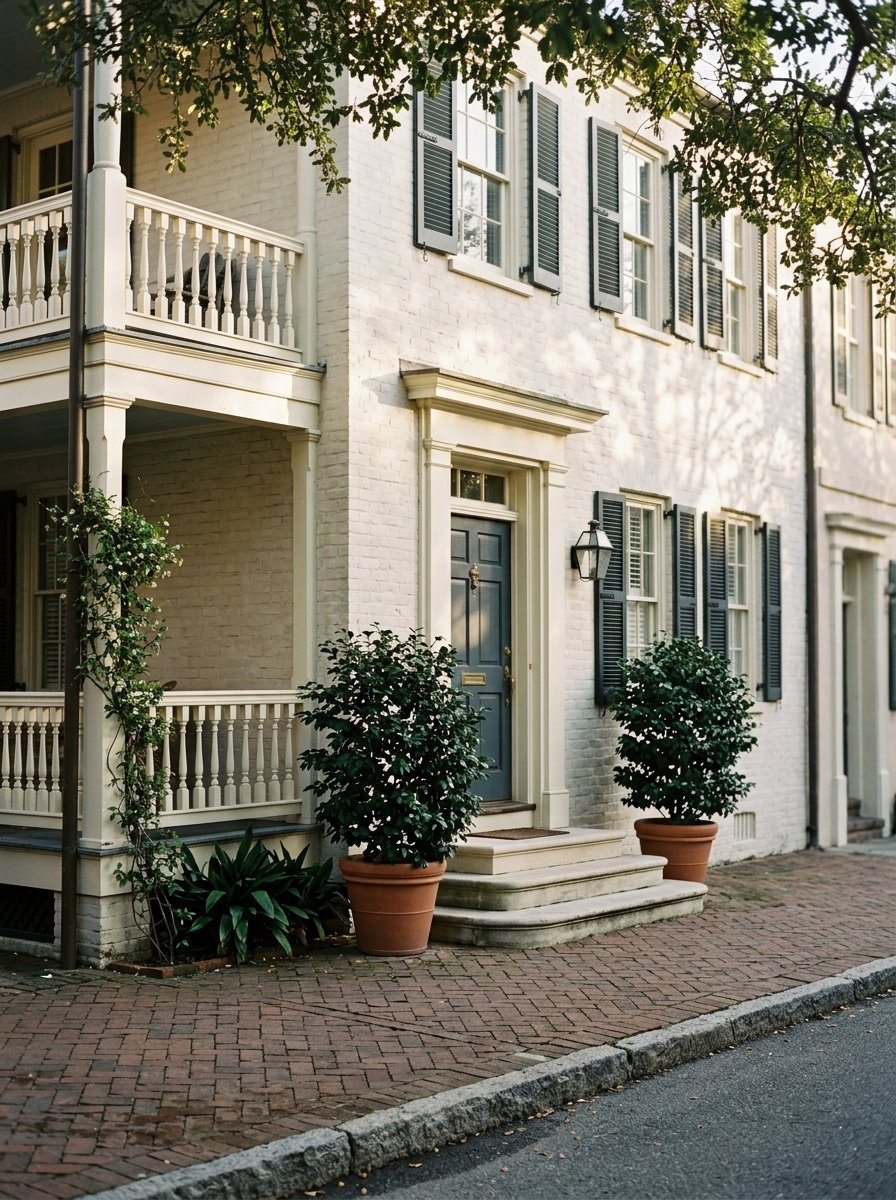
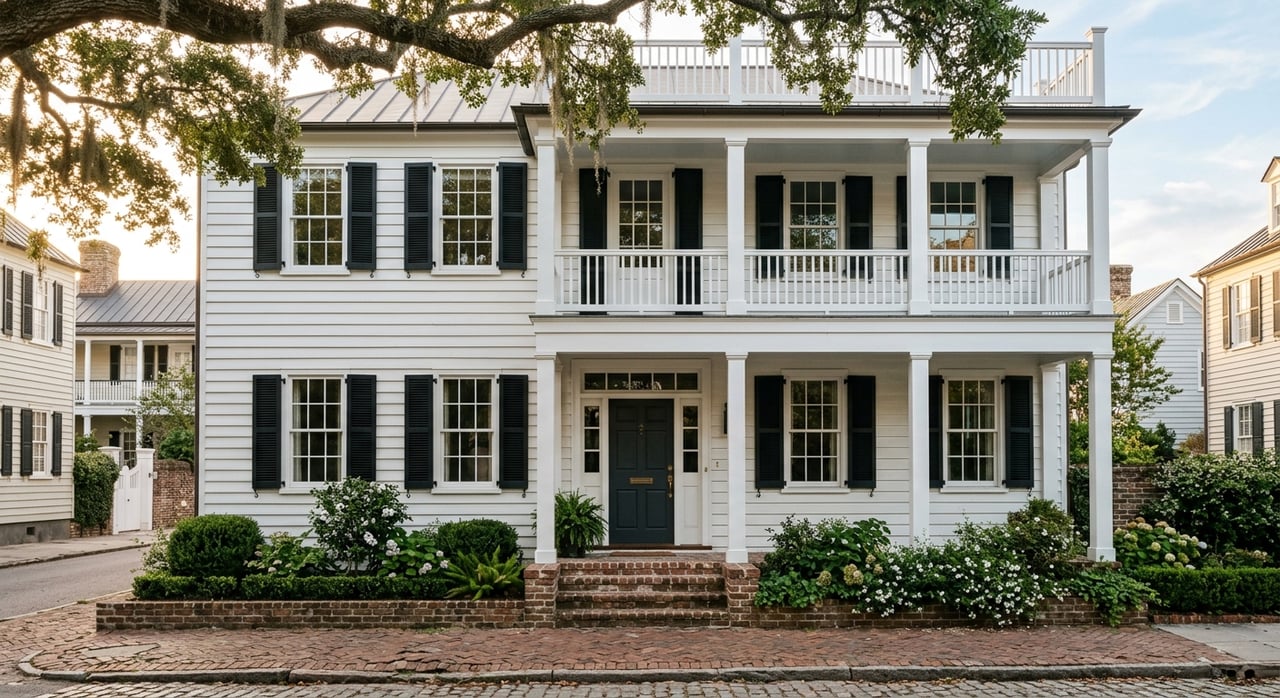
This part of Charleston is known for formal historic architecture and one of the strongest senses of place on the peninsula. The preservation movement in Charleston is closely tied to houses south of Broad Street, which helps explain both the prestige and the level of stewardship many buyers expect here.
If you are drawn to landmark homes, established historic streetscapes, and a quieter residential environment, South of Broad often rises to the top. If you want a highly active, mixed-use setting, another peninsula neighborhood may feel like a better fit.
French Quarter for a compact downtown base
French Quarter is a small, high-end downtown submarket with very limited inventory. In April 2026, Realtor.com showed just 3 homes for sale and a median listing price of $1.79 million, while Redfin reported a three-month median sale price of $2.65 million.
Those sharp swings are a good reminder that small sample sizes can distort neighborhood data. On the peninsula, especially in very small submarkets, median prices should be read as general bands rather than exact pricing guides.
In lifestyle terms, French Quarter works well if you want a compact, walk-everywhere downtown base. It is less likely to suit buyers who prioritize larger yards or a more purely residential feel.
Harleston Village for convenience and balance
Harleston Village often lands in the middle of the peninsula in both pricing and lifestyle. Realtor.com reported a median listing price of $1.40 million and a median sold price of $1.20 million in April 2026, with 51 homes for sale.
It is also one of the peninsula’s most walkable neighborhoods. Walk Score gives Harleston Village a score of 89, and the area includes a mix of historic homes, condos, and townhomes.
For many buyers, Harleston Village offers a strong balance. You get downtown convenience and varied housing options without the very top price ceiling of South of Broad or the more commercially active feel found in some other central neighborhoods.
Cannonborough-Elliottborough for an urban mix
Cannonborough-Elliottborough is best understood as two adjacent neighborhoods that function as one. The city’s Area Character Appraisal describes a history rooted in vernacular architecture and Charleston single houses, with local businesses interspersed among residences.
That block-by-block mix shapes the neighborhood’s identity. It feels lively, active, and urban, with a day-to-day rhythm that differs from the more formal historic core.
Recent pricing reflects strong demand. Realtor.com placed the median listing price at $1.74 million in April 2026, while Walk Score reported a 93.
If you want restaurants, local commerce, and a neighborhood where residential and commercial uses sit close together, Cannonborough-Elliottborough is one of the peninsula’s clearest matches. If you prefer a quieter and more consistently residential setting, you may want to look elsewhere.
Wagener Terrace for an upper-peninsula feel
Wagener Terrace offers a different side of peninsula living. The city’s 2024 Area Character Appraisal highlights early- to mid-20th-century housing forms, including Minimal Traditional homes and Colonial Revival-inspired details.
That housing stock makes Wagener Terrace feel distinct from the older core neighborhoods farther south. For some buyers, that means a more relaxed residential atmosphere with architecture that is still character-rich but generally younger than the 18th- and early-19th-century homes found deeper in the historic district.
Pricing remains strong. In spring 2026, Realtor.com showed a median listing price of $1.20 million, while Zillow and Redfin data also pointed to a solid upper-peninsula value band.
If you want a peninsula address with a more residential identity and less tourist density than the historic core, Wagener Terrace deserves a close look.
Other peninsula pockets to know
A few other neighborhoods are worth keeping on your radar as you refine your search.
Ansonborough and Radcliffeborough
Ansonborough is a useful reminder that very small neighborhood samples can produce volatile data. Realtor.com reported a median home price of $2.245 million in October 2025, while Redfin’s three-month median sale price was far lower in March 2026.
Rather than reading that as a contradiction, it is better to see Ansonborough as a small, premium, walkable area where a few transactions can shift the numbers quickly. For buyers, it means careful property-by-property analysis matters more than headline medians.
Radcliffeborough is another central option, with Realtor.com reporting a $1.475 million median listing price in April 2026. It is also one of the neighborhoods included in the city’s rental-registration pilot, which may matter if flexible use is part of your plan.
East Side and Westside
If you want to stay on or near the peninsula but need a lower entry point than the historic core, East Side and Westside are key neighborhoods to consider. Realtor.com reported median listing prices of about $824,000 on East Side and $850,000 on Westside.
These areas can offer budget relief compared with South of Broad, French Quarter, or Harleston Village. As always on the peninsula, availability and property condition can vary widely by block and by product type.
What buyers should verify before touring
On the Charleston peninsula, the home itself is only part of the decision. Ownership questions often start before closing, especially if you are considering updates, investment use, or long-term stewardship.
Historic review and exterior changes
The Board of Architectural Review, or BAR, can review visible exterior work within historic districts. The city also notes that demolitions of buildings 50 years old or older south of Mount Pleasant Street may be subject to review.
If you are considering a renovation, do not assume that windows, siding, additions, or demolition plans will be straightforward. It is smart to verify review status early so your vision for the property lines up with what may be permitted.
Flood diligence on a low-lying peninsula
Flood diligence should happen early in your search. The City of Charleston says Special Flood Hazard Area rules apply where National Flood Insurance Program floodplain regulations must be enforced, and elevation certificates are required for new construction or substantial improvements in those zones.
Because the peninsula is low-lying, this is not a detail to leave until after you are emotionally committed to a property. Reviewing flood-zone information early can help you compare homes more clearly.
Rental rules in select neighborhoods
If you are considering income property, part-time occupancy, or flexible use, local rental rules matter. The city’s Residential Rental Registration Pilot Program began in 2023 in Cannonborough-Elliottborough and also applies to Mazyck-Wraggborough and Radcliffeborough.
That does not mean those neighborhoods are off the table. It simply means you should factor city rules into your decision as carefully as you would architecture, lot size, or pricing.
A simple way to narrow your search
If you want a quick framework, start here:
- For prestige and legacy historic character: South of Broad
- For a compact downtown base: French Quarter
- For walkability and overall balance: Harleston Village
- For a lively mixed-use setting: Cannonborough-Elliottborough
- For a more residential upper-peninsula feel: Wagener Terrace
- For lower price alternatives on or near the peninsula: East Side, Westside, and in some cases parts of Radcliffeborough or Ansonborough
The right choice depends on how you want your day-to-day life to feel. On the peninsula, a few blocks can change the experience of ownership in a meaningful way.
Choosing well means looking beyond a headline price and paying attention to preservation context, housing type, and how each area functions from morning to night. That kind of neighborhood matching is where local, property-specific guidance can make all the difference.
If you want help comparing homes, blocks, and historic considerations across the peninsula, schedule a private market consultation with Robertson Allen.
FAQs
What makes Charleston peninsula neighborhoods different from each other?
- The City of Charleston identifies the peninsula as a collection of distinct neighborhoods, and differences in architecture, preservation context, housing age, and street activity can significantly change the ownership experience.
Which Charleston peninsula neighborhood is the most walkable?
- Based on the research provided, Cannonborough-Elliottborough and Harleston Village stand out for walkability, with Walk Scores of 93 and 89 respectively.
What should buyers know about historic review on the Charleston peninsula?
- Visible exterior work in historic districts may be subject to BAR review, and some demolition activity for older buildings may also require review, so renovation plans should be checked early.
Which Charleston peninsula neighborhood is best for a quieter historic setting?
- South of Broad is generally the strongest fit for buyers seeking a quieter, more formal historic-residential environment with significant preservation character.
Are there lower-priced neighborhoods on the Charleston peninsula?
- East Side and Westside showed lower median listing prices than many historic-core neighborhoods in the research, making them useful options for buyers seeking a lower peninsula entry point.
Why do Charleston peninsula median prices vary so much by source?
- Inventory is often very limited in small peninsula submarkets, so a small number of listings or sales can shift median figures quickly. That is why neighborhood pricing is often best viewed as a range rather than an exact benchmark.