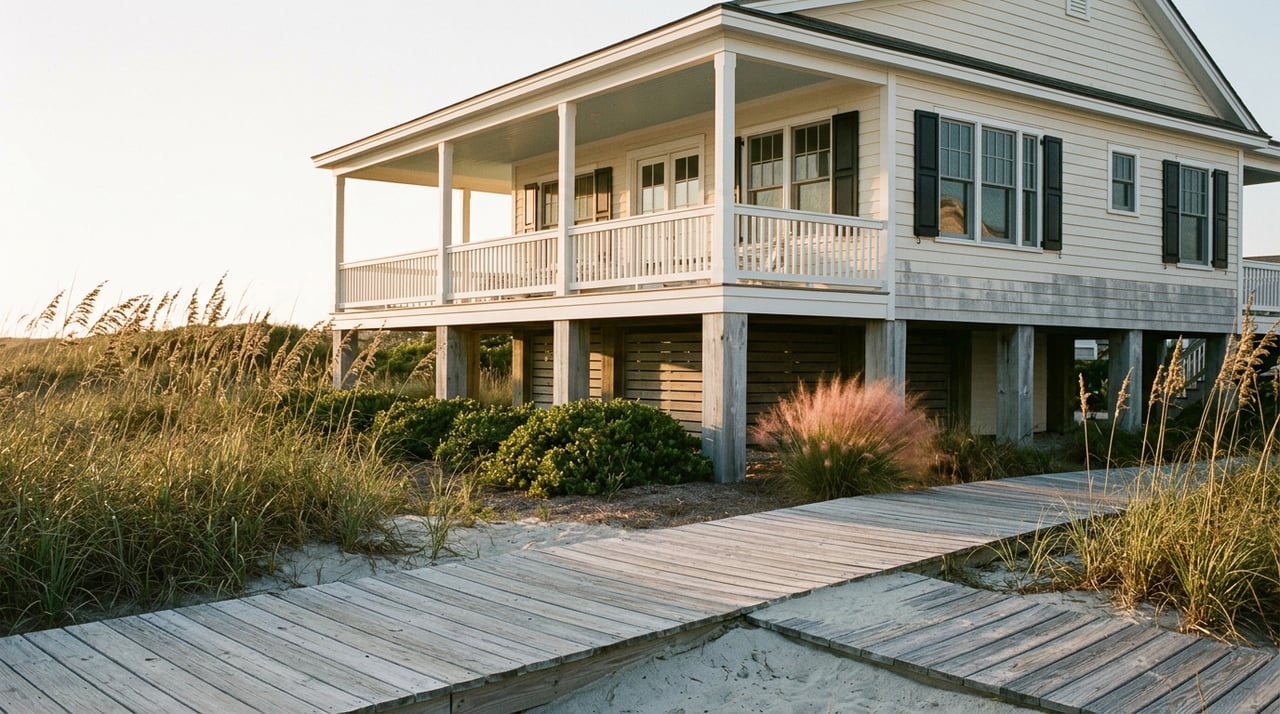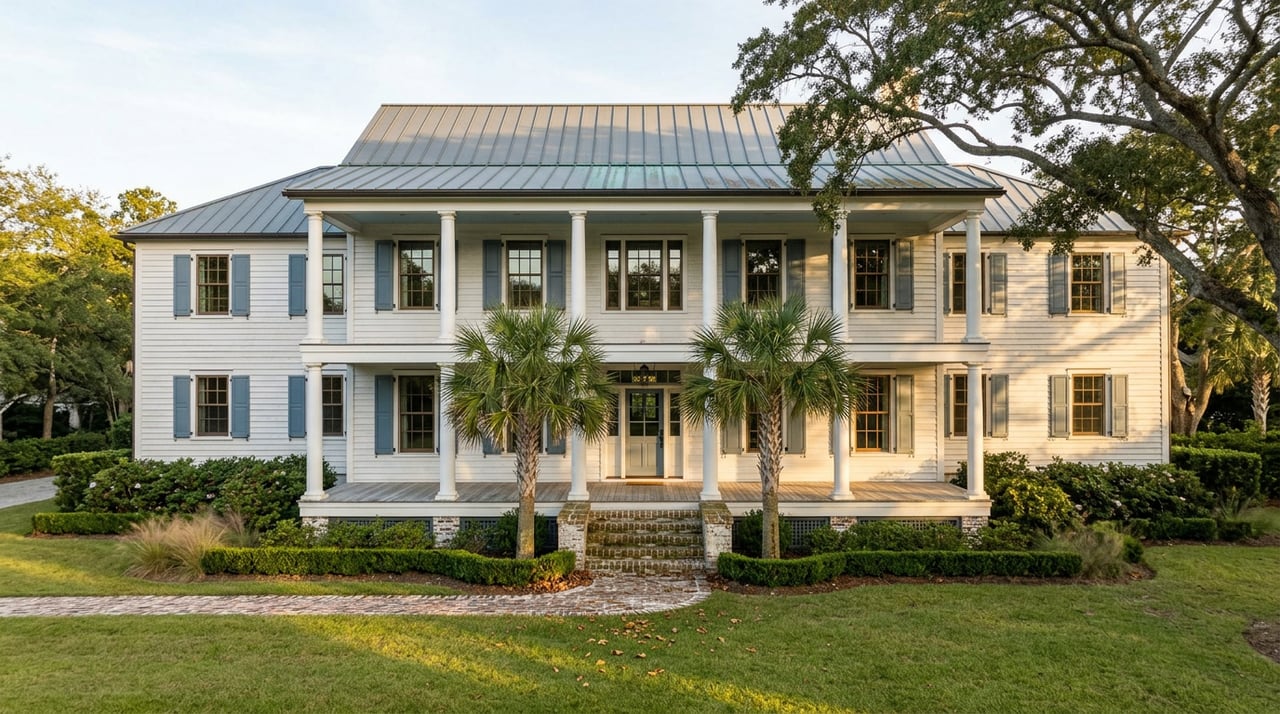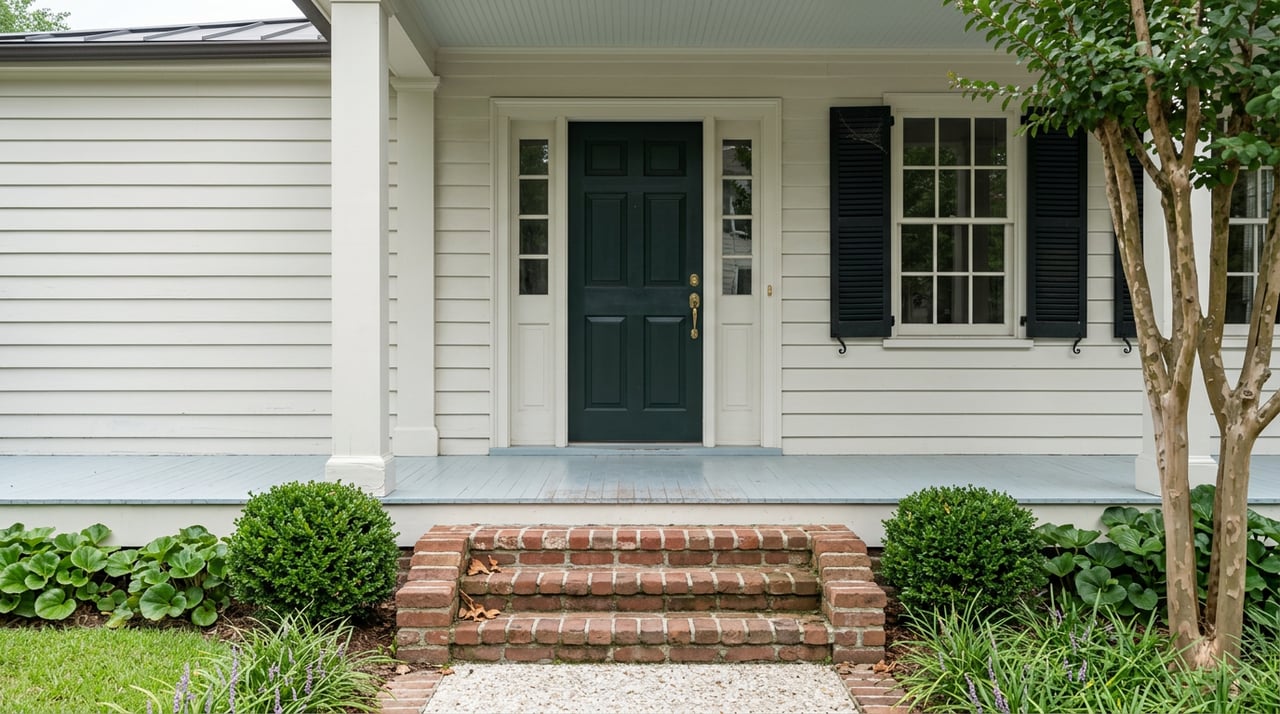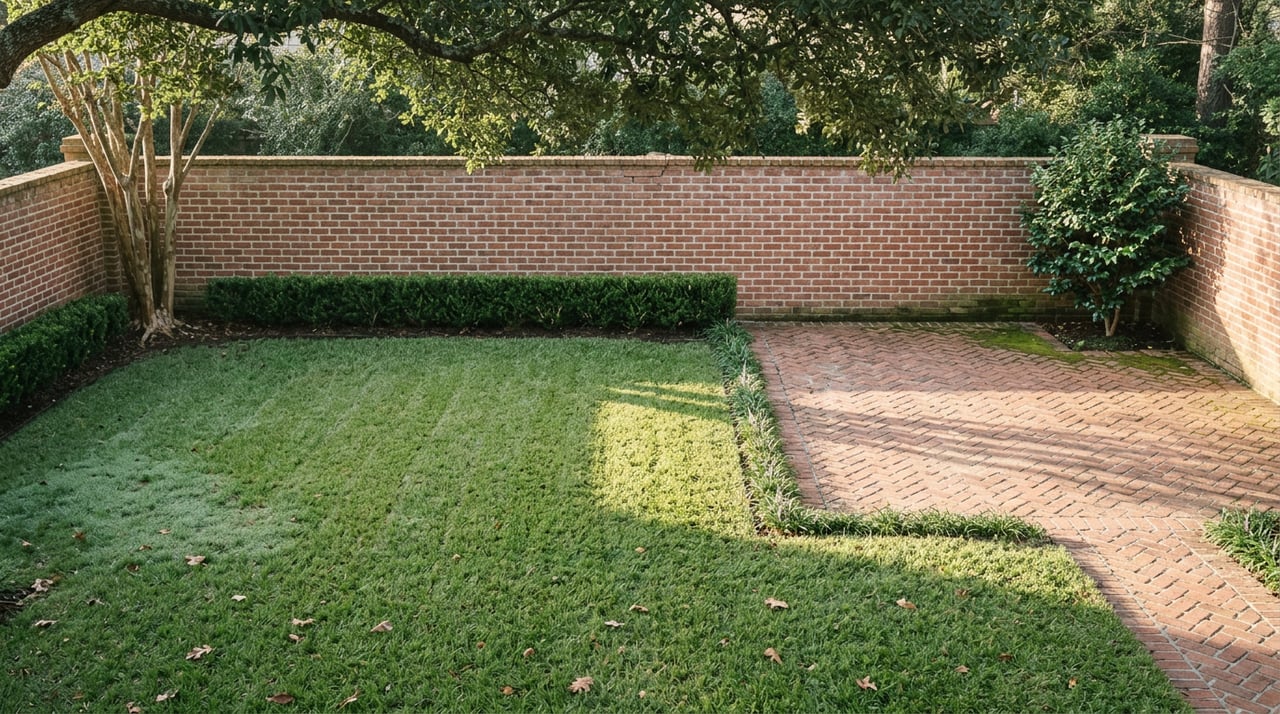
Two houses go up for sale on the same block in Old Village within a month of each other. Same era of construction, same rough footprint, same asking price within a few percentage points. One listing mentions room for a pool and a detached garage. The other doesn't mention either, and when a buyer asks their agent why, the answer has nothing to do with the house itself. It has to do with a number neither listing discloses: how much of that lot is already covered in something water can't pass through.
Old Village has lived under a 40 percent impervious surface cap for years, and it is the single most consequential number in the neighborhood that almost never comes up before closing. It governs how much of a lot can be covered by driveways, patios, pools, rooftops, and certain decks combined, and it applies regardless of what the current owner has already built. Two lots of identical size can carry very different amounts of remaining capacity, and that difference is invisible until someone pulls the survey.
Where the Cap Came From
The rule was not written with real estate value in mind. It was written to keep water out of living rooms. Mount Pleasant's Old Village Historic District sits low, close to the harbor and Shem Creek, and by 2017 the neighborhood already lived under this 40 percent cap when the town moved to extend a nearly identical rule across a much larger stretch of Mount Pleasant, an area of roughly 960 acres between Ben Sawyer Boulevard and Charleston Harbor. Outside the historic district, there had been no impervious limit at all before that expansion, only limits on overall building size.
Councilman Will Haynie, who proposed the expansion, put the intent plainly at the time:
"It's to prevent flooding."
The ordinance defines impervious surface broadly. It includes concrete and asphalt, driveways, sidewalks, patios, pools, rooftops, and elevated decks built so water cannot pass through to the soil beneath. A homeowner adding a modest pool deck or widening a driveway for a third car is adding to the same 40 percent ceiling as the roofline of the house itself. The cap does not reset when a property changes hands, and it does not care how the previous owner chose to spend the allowance, on a pool, a motor court, or a wide addition.
What This Actually Limits
The practical effect shows up at the moment a buyer wants to add something. Building permit applications in the district now require a site survey from a registered land surveyor showing every existing impervious surface and its square footage, because the town needs proof the project won't push the lot over the line. A buyer who assumes a generous lot means generous renovation room is making an assumption the ordinance does not support.
Picture two lots of the same size in Old Village, both roughly 10,000 square feet.
| Lot A | Lot B | |
|---|---|---|
| Lot size | 10,000 sq ft | 10,000 sq ft |
| Current impervious coverage | 18 percent (house and front walk) | 37 percent (house, pool, wide driveway, detached garage) |
| Approximate room left under the 40 percent cap | About 2,200 sq ft | About 300 sq ft |
| What that buys a new owner | A pool, a garage, a larger porch | Little beyond a garden path or a small addition |
Both lots could carry the same price tag. Only one of them has room to grow. A buyer evaluating "potential" from square footage and photographs alone has no way to see this difference, and a seller who has already used most of the allowance has no obligation to volunteer it. This is the kind of fact that only shows up when someone asks for the actual coverage calculation, which is exactly the document a knowledgeable buyer's agent should be requesting before writing an offer that assumes future flexibility.
The Second Signature the Water Requires
Renovation potential is only half the story for waterfront parcels. Old Village sits inside a local historic district, which means any exterior change, from a new porch to a dock revision, requires a Certificate of Appropriateness from the town's Historic District Preservation Commission, the body formerly known as the Old Village Historic District Commission. That approval sits on top of, not instead of, the state-level dock permitting process run through South Carolina's Office of Ocean and Coastal Resource Management.
Most Mount Pleasant waterfront communities outside this historic boundary only deal with the state layer. A dock repair or expansion goes to OCRM, gets evaluated against creek width and mean low water depth, and that is typically the extent of it. In Old Village, a homeowner altering an existing dock or building a new one clears the state review and then brings the same project before a five-member, all-volunteer town commission for a separate sign-off. Commission agendas over the years have included items as specific as revisions to a previously approved dock, which is a reminder that this local authority reaches all the way to the water's edge, not just the front porch.
For a buyer picturing a quick dock upgrade after closing, this second approval layer adds real time to the calendar. It is a friction unique to this particular stretch of Mount Pleasant waterfront, and it rarely comes up until the contract is signed and the work is scheduled.
A Rule That's About to Get Bigger
The 40 percent cap and the historic district's other building restrictions are not settled history. As of public hearings earlier this year, Mount Pleasant's Town Council has been considering extending similar building area and impervious surface limits beyond Old Village's current boundary into the adjacent area often called Old Mount Pleasant or Indian Village. The town's planning director has described resident complaints about new construction that crowds property lines and changes the feel of established streets, and the proposed rules would apply only to future construction rather than existing homes. Council has twice deferred a final vote to allow more public input, so the boundary and the specific limits remain in motion rather than finalized.
For a buyer looking just outside today's Old Village line, that matters. A lot that currently has no impervious surface ceiling at all could fall under one in the near future, changing what a future owner is allowed to add before they've even closed on the home. This is not a hypothetical concern confined to history. It is a live conversation happening in town council chambers this year, and it is worth asking a local agent or the town's planning department where a specific parcel stands before assuming today's rules will still apply tomorrow.
What to Ask Before You Assume the Lot's Potential
A few questions are worth settling before an offer goes in on an Old Village property, particularly one marketed around its expansion possibilities:
- What is the lot's current impervious surface percentage, and is there a recent survey documenting it.
- How much of the 40 percent allowance remains, in square feet, not just percentage.
- If the property is on the water, has any dock work already cleared both OCRM and the Historic District Preservation Commission, or would a new owner need to start that process from zero.
- Is the parcel currently inside the historic district boundary, and if it sits just outside it, is it within the area the town has discussed bringing under similar limits.
None of these questions show up on a standard property disclosure. They show up when someone who works this market regularly knows to ask for them.
The Number the Listing Won't Show You
Old Village sells on charm, on oak canopy and harbor views and a scale of house that has not changed much in a century. That charm is partly a byproduct of the same rule that limits what comes next. The 40 percent cap exists because this ground floods, and it will keep shaping which lots can absorb a pool or a garage and which ones are already full. A buyer who treats lot size as a proxy for future flexibility is reading the wrong number. The one that matters is sitting in a surveyor's calculation, not the listing description.
If you are comparing Old Village against other Mount Pleasant or peninsula options and want a straight read on what a specific lot can still hold, Robertson Allen can help you look past the square footage to the number that actually decides it. Schedule a private market consultation before you assume a lot's potential from the outside.