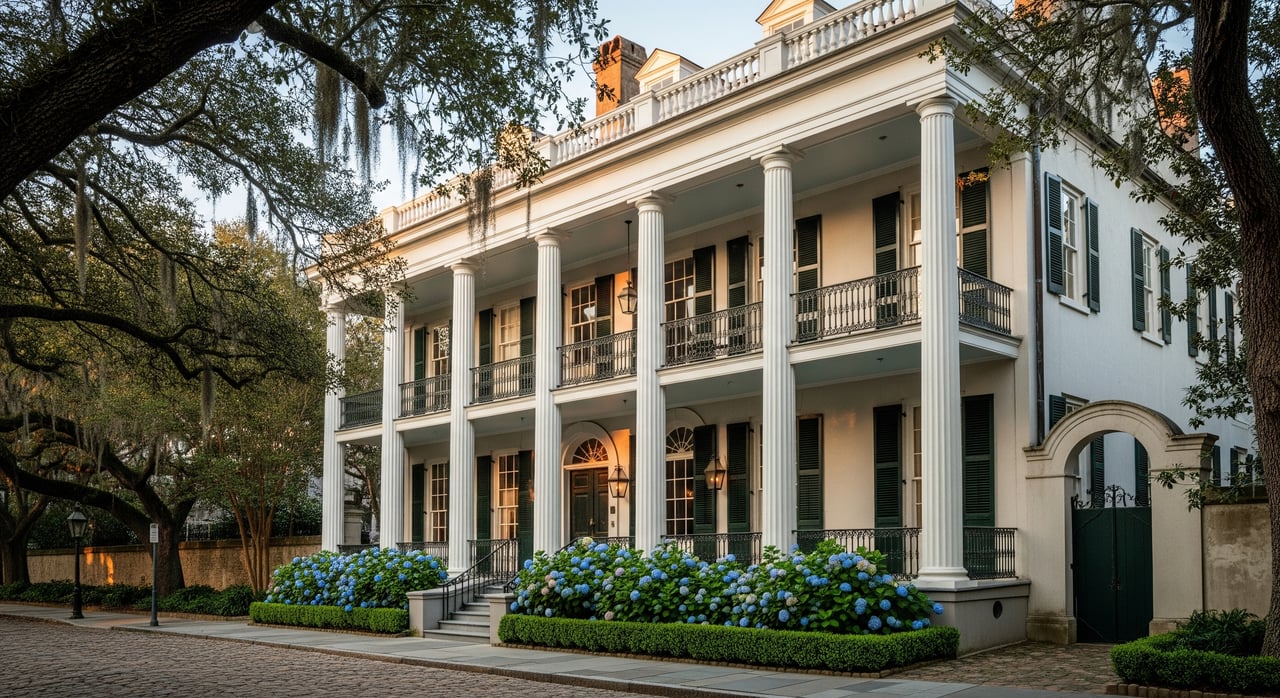
If cobblestones underfoot and harbor breezes on your porch sound like your kind of day, South of Broad might be your perfect Charleston address. You want history, walkability, and the ease of stepping out your door to parks, galleries, and dinner. At the same time, you want to understand real-life details like parking, preservation rules, and flood considerations before you commit. This guide gives you a clear look at daily living South of Broad so you can move forward with confidence. Let’s dive in.
South of Broad in context
South of Broad is the southern tip of Charleston’s historic peninsula, stretching from Broad Street down to White Point Garden and The Battery at the water’s edge. It sits within the city’s protected historic district, which shapes what can be built, altered, or restored. The neighborhood’s streets are narrow and intimate, with brick and cobblestone alleys, iron gates, and meticulously kept gardens.
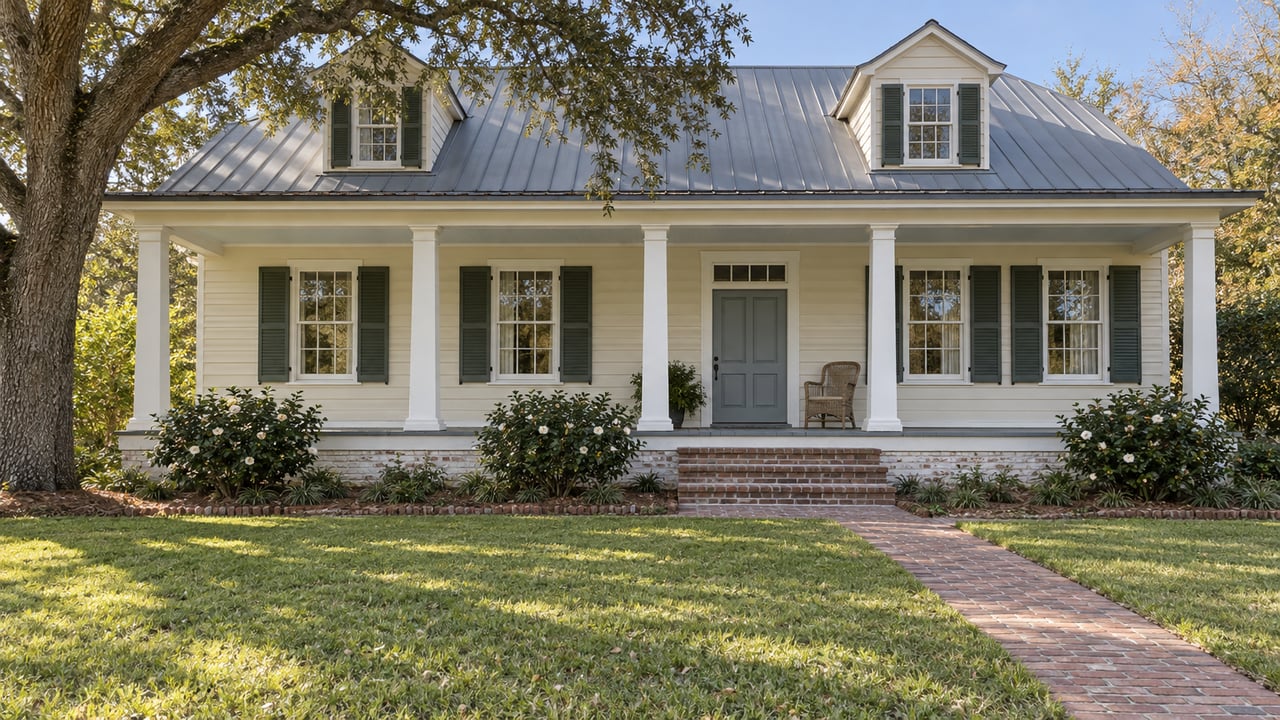
You will see a mix of housing types: grand antebellum residences, classic Charleston single houses, smaller rowhouses, and carriage houses. Some properties include condominium conversions or sensitive infill near preserved structures. The footprint is small and exceptionally walkable, with many daily destinations a short stroll away.
Architecture and home types
Charleston singles and grand mansions
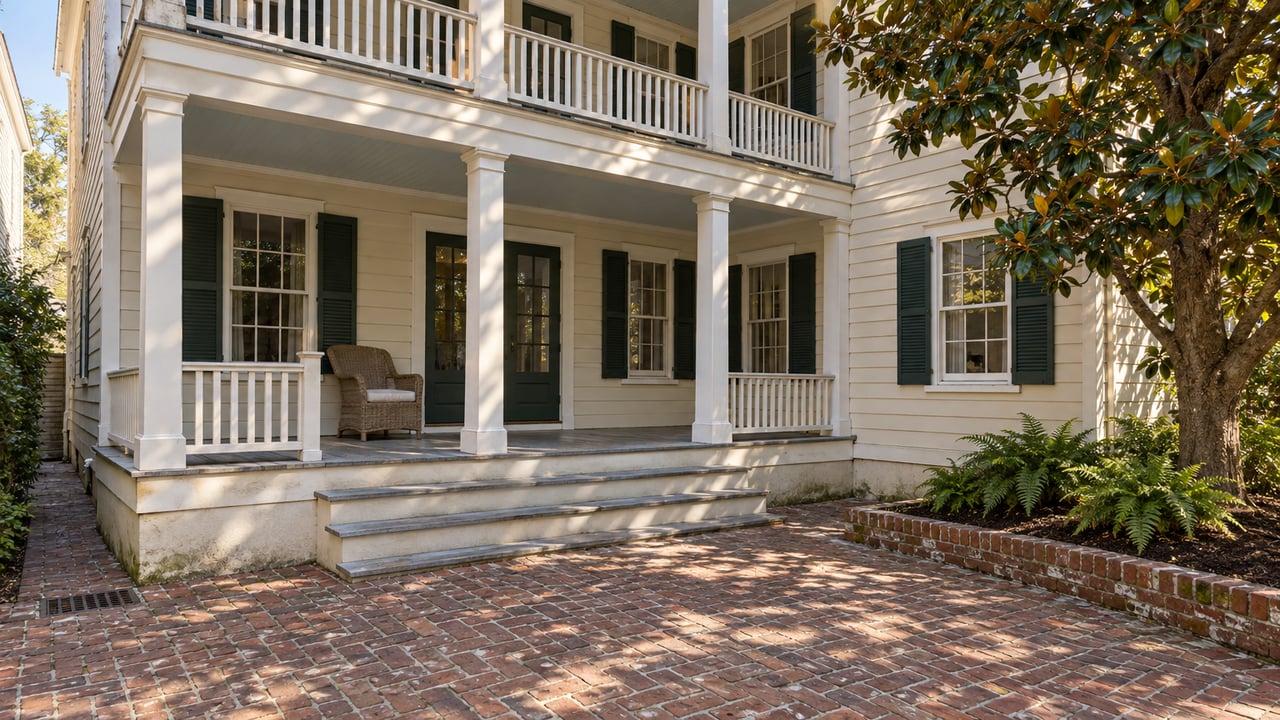
Architectural styles span Federal, Georgian, and Greek Revival, along with distinctive single houses that run deep on narrow lots and often open to side piazzas. Larger antebellum homes line key streets and vantage points near the water. Interiors range from historically intact floorplans to thoughtfully modernized spaces.
Modern comforts in historic shells
Many buyers seek updated kitchens, baths, HVAC, electrical, and plumbing. In the historic district, exterior changes typically require review by the City of Charleston’s Board of Architectural Review. If a property has preservation easements, some interior work may also carry conditions. Expect to review prior approvals, permits, and any recorded covenants as part of your due diligence.
Property features and outdoor rooms
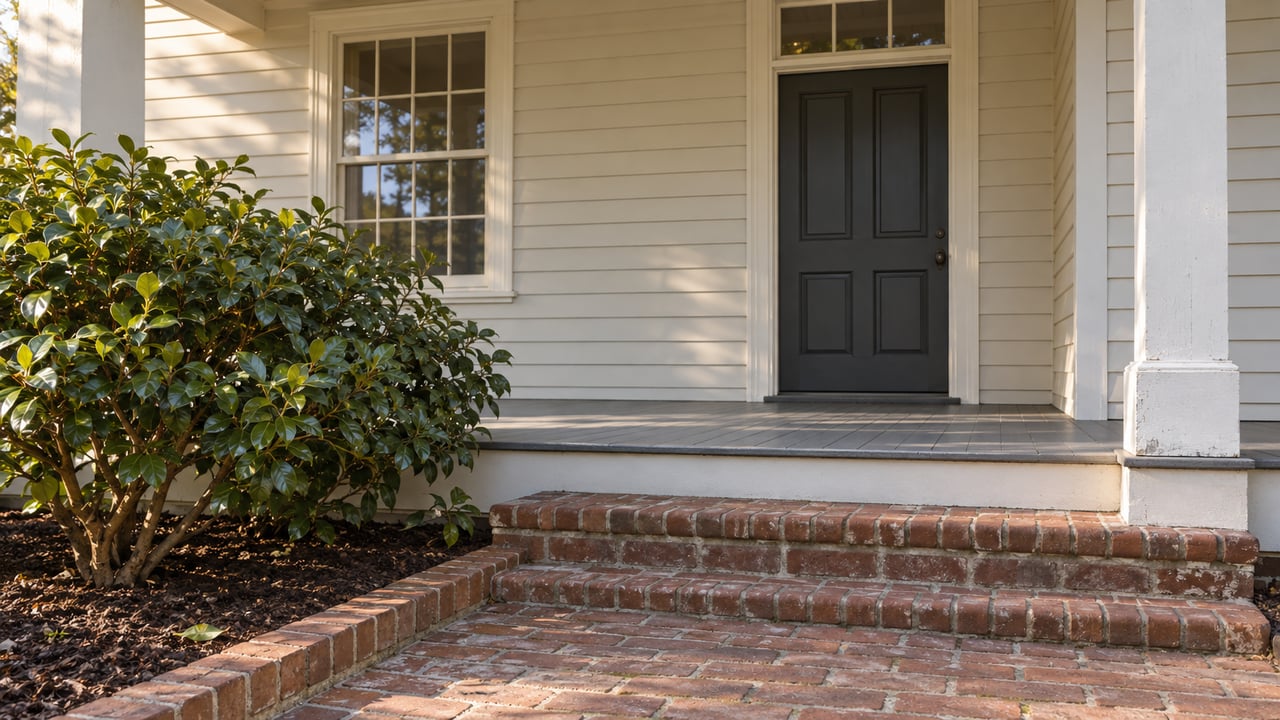
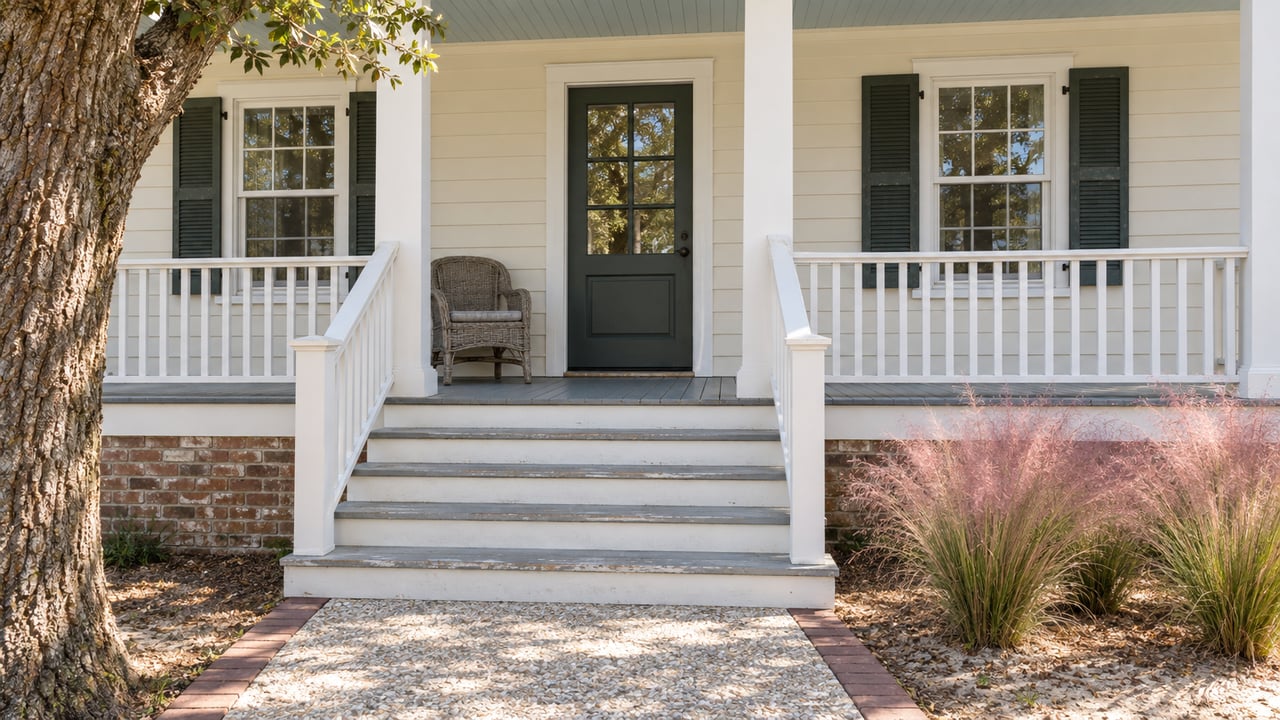
Narrow lots often hide generous gardens, tucked courtyards, and outbuildings like carriage or coach houses. Side porches, often oriented east to west, extend living space outdoors and capture breezes. Cobblestone alleys and brick walks give the area its texture and character.
Walkability and getting around
On foot and by bike
South of Broad is designed for walking. Short blocks, frequent sidewalks, and a dense network of destinations make errands and leisure strolls easy. Biking is common for short trips, and many residents choose to leave the car parked for most daily needs.
Parking realities
On-street parking is limited and often regulated by permits or time limits. Some homes include off-street spaces tucked behind gates or accessed by alleys, but many do not. Factor guest parking, contractor vehicles, and delivery logistics into your plans, especially during peak visitor seasons.
Transit and rideshare
The peninsula is served by local bus routes and shuttle-style services, with schedules that change over time. Rideshare is widely used for dinners, performances, and airport trips. Tourist carriages and trolleys also share the streets and can influence traffic at certain hours.
Waterfront, parks, and harbor access
The Battery promenade and White Point Garden offer year-round harbor views and a front-row seat to passing boats and the Fort Sumter channel. Waterfront Park and several piers and promenades sit a pleasant walk away, giving you daily access to water breezes and sunrise or sunset walks. Nearby private and municipal marinas provide slips and transient docking; availability and rules vary, so direct contact with marinas is essential when you are planning boat storage.
Daily amenities and culture
Dining and markets
You will find a wide range of dining throughout the historic district and along nearby King Street, from casual cafés to chef-driven restaurants. Specialty markets and boutique shops are common within walking distance. For larger grocery runs or big-box items, residents often head to the peninsula’s edges or over the bridges to the mainland.
Museums and festivals
Cultural institutions cluster nearby, including art museums, historic house museums, galleries, and churches. The area’s arts calendar is active, with headline events like Spoleto Festival USA drawing global attention. Access to Fort Sumter departures and other harbor experiences is centered along the downtown waterfront.
Seasonality, tourism, and noise
Charleston’s high seasons bring energy and crowds. Spring events, summer travel patterns, and holidays can increase pedestrians and vehicles near major sights like Rainbow Row and The Battery. Festivals add cultural benefits but may also bring temporary noise from outdoor stages, parades, or installations. Many residents plan errands and guest visits with seasonal calendars in mind.
Practical buying considerations
Renovation and approvals
Exterior changes typically go through the City’s formal review to preserve historic character. This can include facades, rooflines, porches, windows, and fences. If a home has an easement through a preservation organization, additional guidelines may apply. Build time and costs should reflect review periods, specialty trades, and historically appropriate materials.
Flooding, tides, and insurance
The peninsula is susceptible to tidal flooding, storm surge during tropical systems, and long-term sea-level rise. Some historic homes sit at low elevations with raised foundations or basements. Review FEMA flood maps, obtain elevation certificates when available, and consult both the National Flood Insurance Program and private carriers for coverage and pricing. It helps to ask for parcel-specific flood history as part of your offer and inspection strategy.
Utilities, infrastructure, and maintenance
Historic structures often require ongoing care for masonry, woodwork, ironwork, and paint. Systems like plumbing and wiring may have been updated at different times. Ask about recent sewer or stormwater upgrades on the block, termite prevention contracts, and insulation improvements. Budget for higher routine maintenance to protect the home’s historic fabric.
Taxes, fees, and potential assessments
Homes are subject to municipal and county property taxes, and some properties may sit within areas that qualify for certain credits or carry obligations tied to conservation easements. Condominium conversions or small associations may have dues. Review budgets, reserves, and any special assessments before you commit.
Accessibility and mobility
Many historic homes have narrow stairs, multi-level floorplans, and limited elevator potential. Sympathetic accessibility improvements may be possible, but they can require careful planning and review. If you need fewer steps or single-level living, prioritize listings with those features already in place or with clear pathways to achieve them.
Lifestyle fit and tradeoffs
Every neighborhood involves choices. South of Broad offers a unique blend of culture, beauty, and convenience paired with historic stewardship.
- Pros: iconic architecture, walkable streets, waterfront promenades, rich cultural life, and a strong sense of place.
- Cons: limited parking, seasonal crowds, higher maintenance, flood and insurance considerations, and tighter rules for exterior changes.
If you value daily walks to parks and galleries, love the grace of historic design, and welcome a stewardship mindset, this area will feel like home.
A day in the life
Start with coffee on a side piazza while the morning light warms the brick. Walk a few blocks to the water and watch the harbor wake up. Midday might mean a quick errand by bike, a gallery visit, or meeting friends at a quiet café. In the evening, dinner could be a short stroll away, followed by a slow loop along The Battery as gas lamps flicker and church bells mark the hour. It is a rhythm built around proximity and place.
How to evaluate a specific property
Use this quick checklist as you tour homes and review disclosures:
- Boundaries and context: confirm that the property sits within the historic district and understand any neighborhood overlays.
- Approvals and easements: request prior Board of Architectural Review approvals and check for recorded preservation easements or covenants.
- Flood profile: review FEMA flood maps, ask for elevation certificates, and request seller-provided flood histories when available.
- Systems and structure: evaluate electrical, plumbing, HVAC, roof, masonry, and woodwork; seek experts familiar with historic buildings.
- Parking and access: verify any off-street spaces, alley access, and guest parking logistics; learn local permit rules.
- Infrastructure: ask about recent sewer and stormwater work on the block and any planned city projects.
- Ownership costs: estimate insurance, taxes, potential HOA or condo fees, and realistic maintenance budgets.
Next steps
Buying South of Broad is as much about lifestyle as it is about architecture. With careful due diligence and the right guidance, you can enjoy the best of Charleston’s historic peninsula while protecting your investment. If you are considering a move, schedule a private conversation to align your wish list with the neighborhood’s realities and opportunities. To begin, connect with Robertson Allen.
FAQs
What does “South of Broad” mean in Charleston?
- It refers to the southern end of the historic peninsula, from Broad Street down to White Point Garden and The Battery, encompassing landmark blocks and waterfront edges.
How walkable is South of Broad for daily errands?
- Very walkable, with short blocks, frequent sidewalks, and many destinations within a 5 to 20 minute stroll, though larger shopping trips often happen off-peninsula.
How do preservation rules affect renovations in this area?
- Exterior changes typically require review by the City’s Board of Architectural Review; properties with preservation easements may carry additional guidelines for certain work.
What should I know about flooding and insurance before buying?
- Review FEMA flood maps and elevation certificates, ask about parcel flood history, and compare NFIP and private flood insurance options to understand coverage and costs.
What are realistic parking options for residents?
- Expect limited on-street parking with permit rules; some homes offer off-street or alley access, but guests and contractors may need to park a block or more away at busy times.
Are there schools nearby and how are zones determined?
- Addresses on the peninsula fall within Charleston County; consult the district’s current assignment maps to understand public, magnet, charter, and private options.
What ongoing maintenance should I plan for with a historic home?
- Budget for regular care of masonry, woodwork, ironwork, paint, and systems updates, and confirm termite prevention and any recent sewer or stormwater improvements on the block.