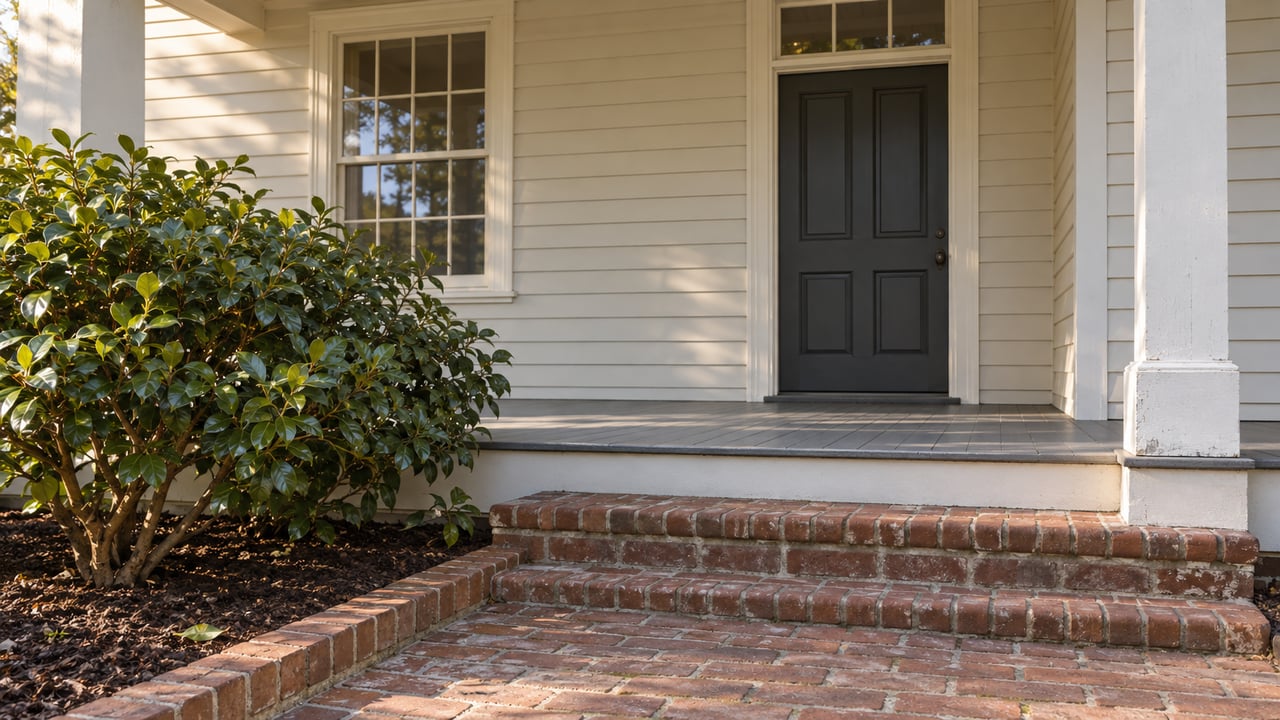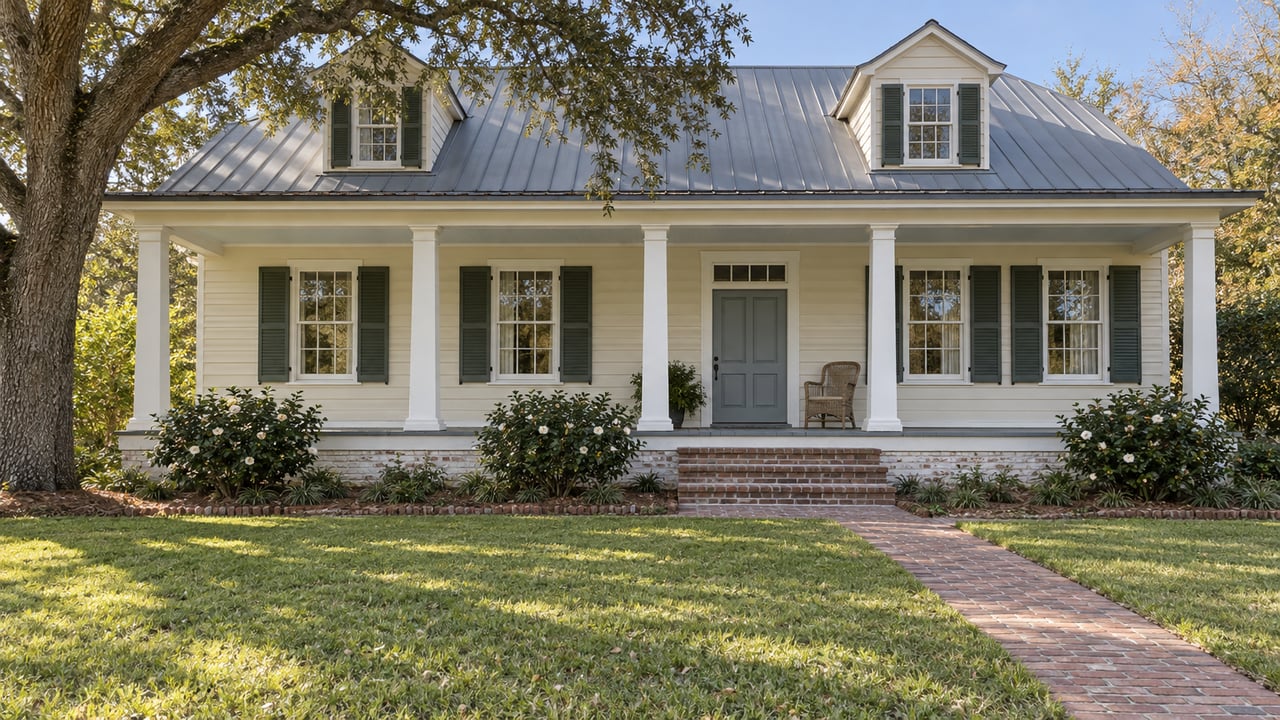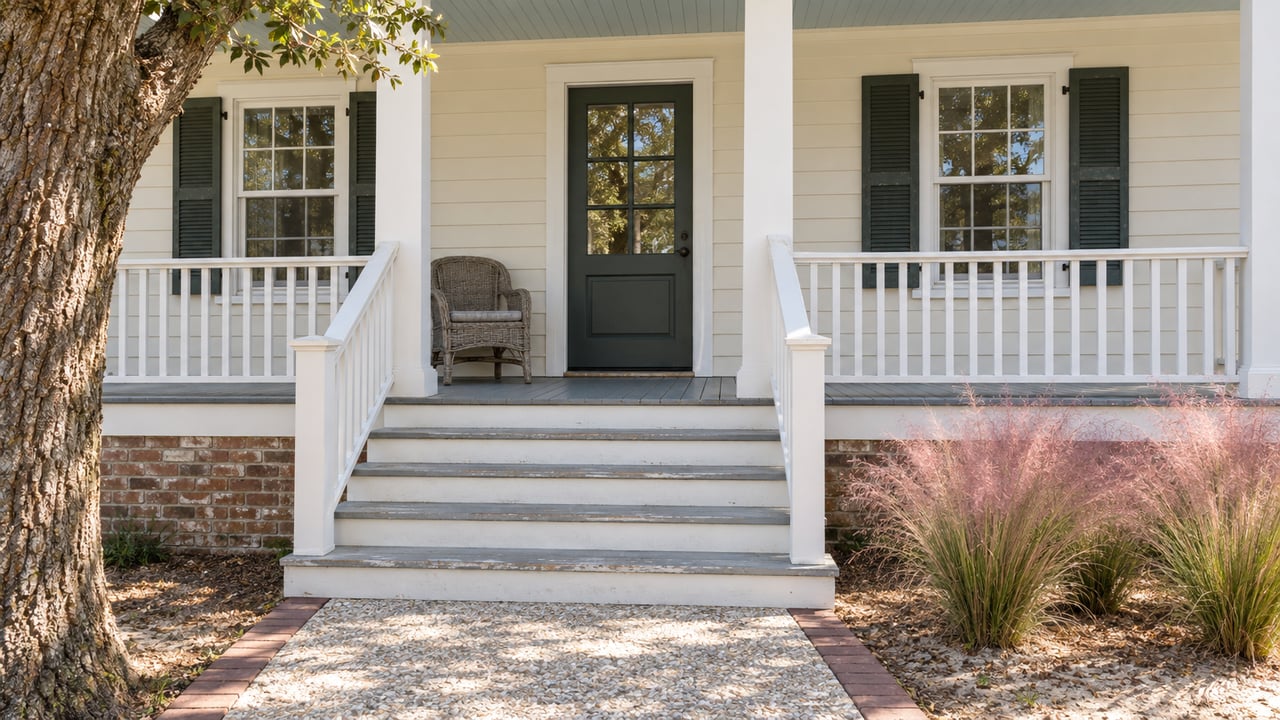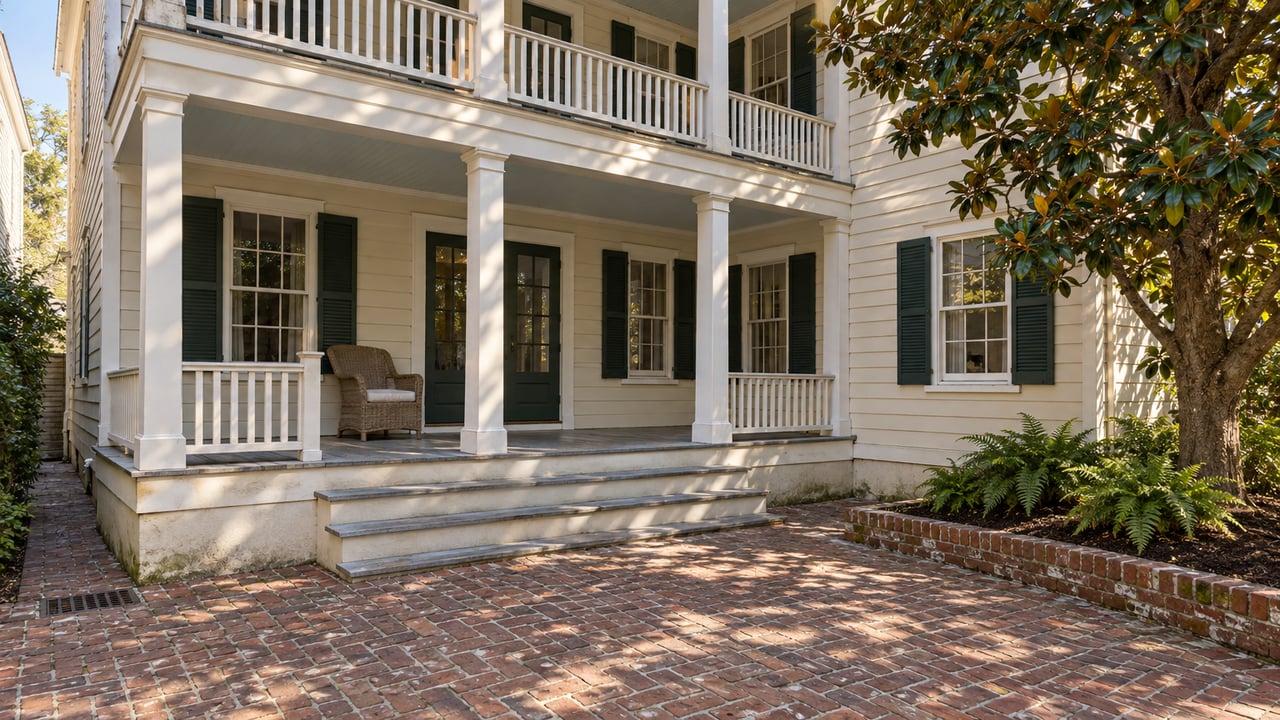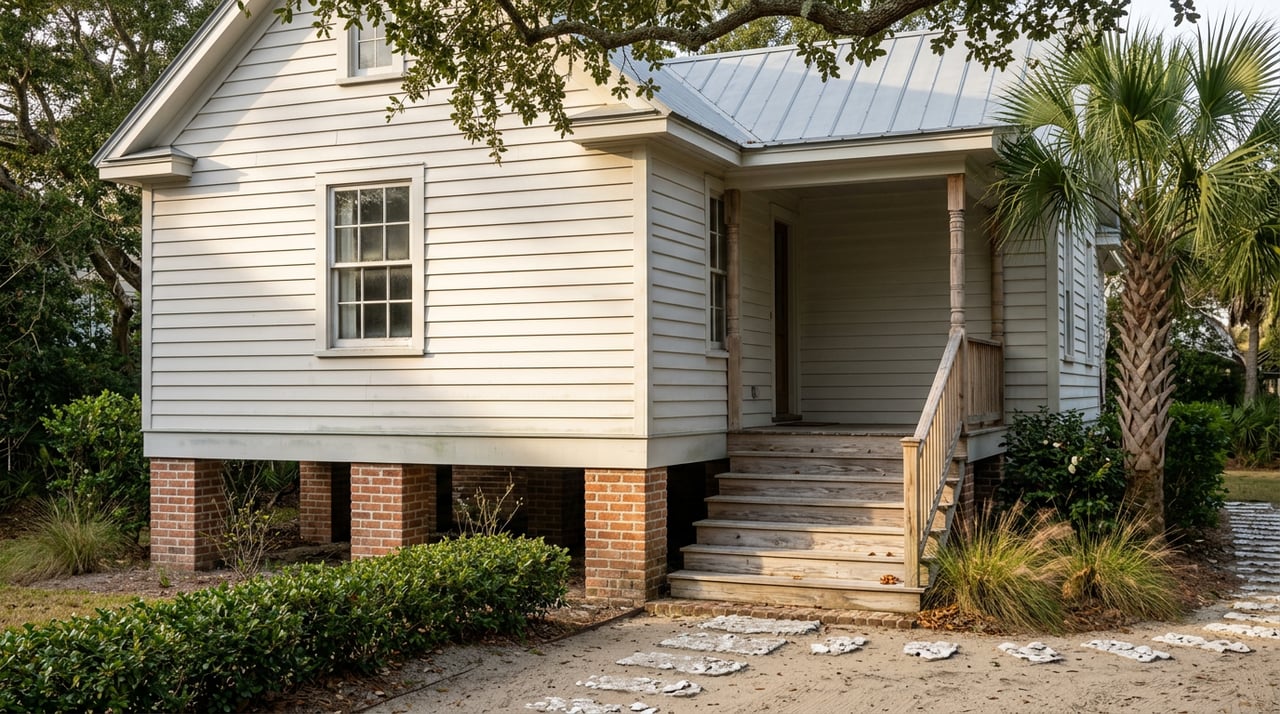
In April 2026, an application landed in front of Sullivan's Island's Board of Zoning Appeals for a property on Brooks Street. The historic structure on the lot measures 747 square feet. It has been shrunk from its original footprint, stripped of additions, and reworked to satisfy the town's Design Review Board. On paper, it reads like the kind of building most buyers would price as a demolition line item: something to clear before the real project starts.
That reading would be wrong, and understanding why is the difference between buying a Sullivan's Island lot correctly and buying it by instinct.
The 747-square-foot cottage on Brooks Street is not an obstacle to the new house the owners want to build. It is the only reason they are allowed to build it at all.
The Rule Almost No One Reads Before They Buy
Sullivan's Island zoning works on a simple premise: one lot, one house. There is no ordinary path to putting a second dwelling on a residential parcel. There is exactly one exception, and it runs through the island's oldest, smallest buildings.
Under Section 21-20(C) of the town's zoning ordinance, a homeowner can request a special exception to use a historic structure as an accessory dwelling unit, freeing up the same lot for a second, larger house. Charles Drayton, the town's Planning and Zoning Director, put it plainly to the Post and Courier in a February 2026 article: it's the only way someone can build a second home on their property.
The eligibility bar is narrow. To qualify, the ordinance requires that a structure:
- Was previously used as a dwelling
- Measured less than 1,200 square feet of heated space at the time it was designated historic
- Is formally listed as a historic property under the town's own criteria
- Meets current FEMA elevation requirements, with a design approved by the Design Review Board
Meet all four and the cottage stops being a liability on the appraisal and starts being the mechanism that unlocks a second structure on the parcel. Fail to preserve it, and that right disappears with the building.
What Two Houses Are Worth Compared to One
The value here isn't really about square footage. It's about the number of legal dwellings a lot is allowed to hold, which on a barrier island is a genuinely scarce right.
| Cottage preserved as ADU | Cottage demolished | |
|---|---|---|
| Legal dwellings on the lot | 2 | 1 |
| Bonus building allowance | Up to 25 percent above the standard formula, per Section 21-27 of the zoning code | None, standard formula only |
| What the buyer actually owns | A build-two lot, one of the few on the island | A build-one lot, identical to most others |
Town committee minutes from a 2022 review of the ordinance walk through what that bonus looks like in practice: on a standard half-acre lot with a 1,200-square-foot historic cottage, the Design Review Board's full 25 percent special exception could support a new house of roughly 3,897 square feet, for a combined total near 5,100 square feet across both structures. The ordinance caps total principal building square footage at 5,600 square feet regardless.
Compare that to a cleared lot, where the same buyer is limited to one house under the standard formula, with no ADU bonus and no second structure permitted. Same acreage. Same zoning district. Materially different set of rights, and the cottage is what separates them.
The Island's Preservation History
The island's preservation history provides context for the Design Review Board's review of this exception.
According to the town's own Historic Design Guidelines, an architectural survey conducted in 1987 recorded 360 historic sites on Sullivan's Island. After Hurricane Hugo made landfall on the island in September 1989, 84 of those sites were gone. In the rebuilding years that followed, as the island's popularity grew, many of the surviving one-story cottages were replaced outright with larger houses, or expanded past the point of resembling their original construction. The town created a Design Review Board in 2003.
DRB Chair Beverly Bohan, who has served on the board for roughly a decade, has pointed to the homes along Middle Street and I'On Avenue, sometimes called Officers' Row, as the kind of structure the ordinance was built to protect. These buildings housed junior and senior officers during World War I and the Spanish-American War and still house families today, sitting within one of the island's three historic districts alongside Moultrieville, home to some of the island's oldest buildings dating to the 1700s, and Atlanticville, developed when the island first opened to private residences in the 1950s.
The incentive is generous by design, and town officials have debated openly just how generous it should get. One member of the 2022 study group warned against over-tuning the bonus, describing the risk of a scene that looked like
"a tugboat pulling the Queen Mary"
if the new house dwarfed the historic cottage beside it. The board settled on the current caps to keep the relationship between old and new proportional, which is exactly the kind of design review a buyer will need to navigate if they intend to use this path themselves.
Comparing Two Lots Side by Side
This matters most when a buyer is standing between two similarly priced Sullivan's Island parcels and trying to decide which one actually offers more.
Island-wide sale data illustrates why the stakes are higher here than in most markets. A mid-2026 analysis of Charleston Trident Association of Realtors figures put the island's median sale price at $4.75 million for the first five months of 2026, up 21.8 percent from the same period in 2025. With Sullivan's Island averaging only 30 to 40 total sales in a typical year, a handful of unusual transactions, including trophy oceanfront estates or unusually priced fixer cottages, can swing that median considerably. In a market this thin, the specific rights attached to an individual lot carry more weight than the headline number, because there is no deep pool of comparable sales to average them out.
That is exactly the environment where the ADU exception becomes a real point of leverage. A buyer evaluating a lot with an intact, under-1,200-square-foot historic cottage should be pricing in the option to build a second structure, something the cleared lot next door simply cannot offer regardless of size or list price. It also means a seller sitting on one of these cottages has a stronger case for its value than a straightforward land-and-structure appraisal will show, provided the historic designation and DRB approvals are already in place or clearly obtainable.
A Question Worth Asking Before You Write an Offer
Does the accessory dwelling have to stay a rental, or can family use it? The 2022 committee discussion kept what members called the rental option in place as part of the incentive, meaning the restored cottage can generate income. It does not have to be rented. Owners can use it as guest quarters, a studio, or space for extended family, as long as the lot retains its required historic designation.
If you are comparing Sullivan's Island parcels and trying to separate the ones with real optionality from the ones that only look similar on a listing sheet, that distinction is worth getting right before you write an offer, not after. Robertson Allen works these transactions at the level of zoning detail this island demands. Schedule a private market consultation to walk through what a specific lot actually allows before you commit to a number.
This article is general information, not legal, tax or financial advice. Consult a qualified professional about your situation.