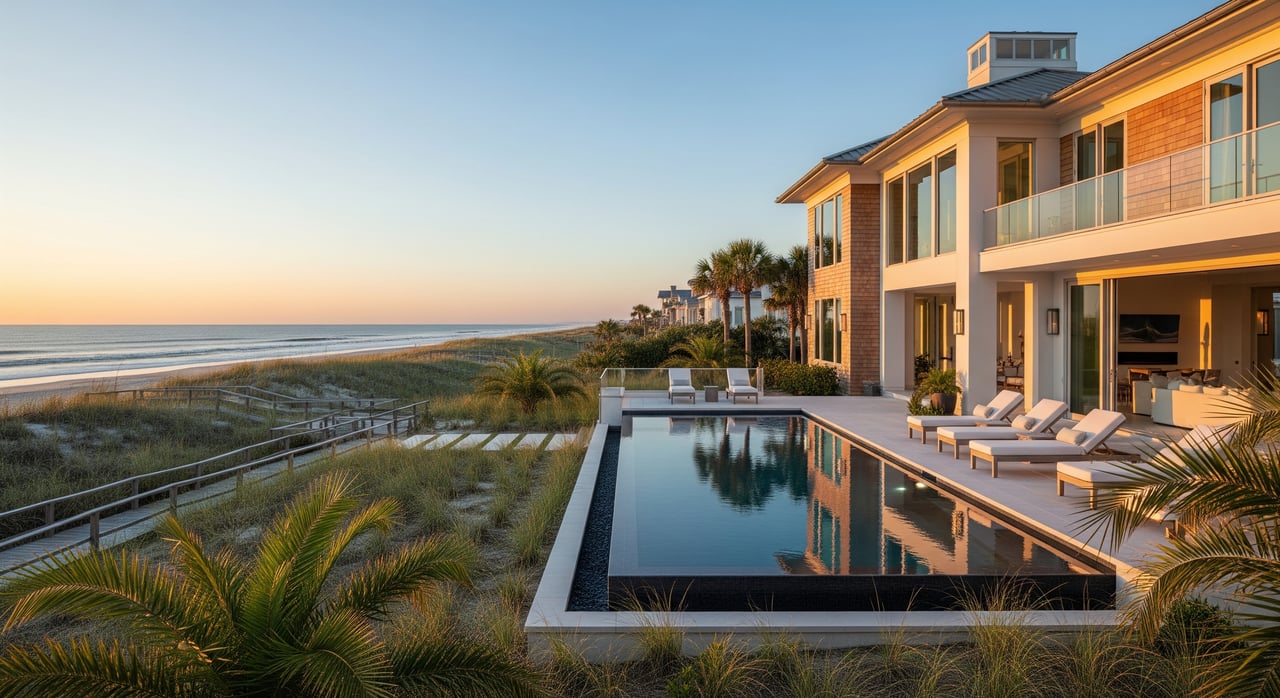
Wondering how to price your Isle of Palms luxury home with confidence? At the top end of the market, small differences in view, access, and resilience can shift value in a big way. You want a number that attracts serious buyers, defends in appraisal, and delivers a premium outcome. This guide shows you how to combine local value drivers with real-time demand to set a price that works. Let’s dive in.
Key value drivers on Isle of Palms
View corridors and quality
Wide Atlantic views, marsh or Intracoastal vistas, and protected sightlines create scarcity that buyers pay for. Orientation and elevation matter because they shape what you actually see from primary rooms and porches. The likelihood your view could change with future development also factors into value.
Beach access and proximity
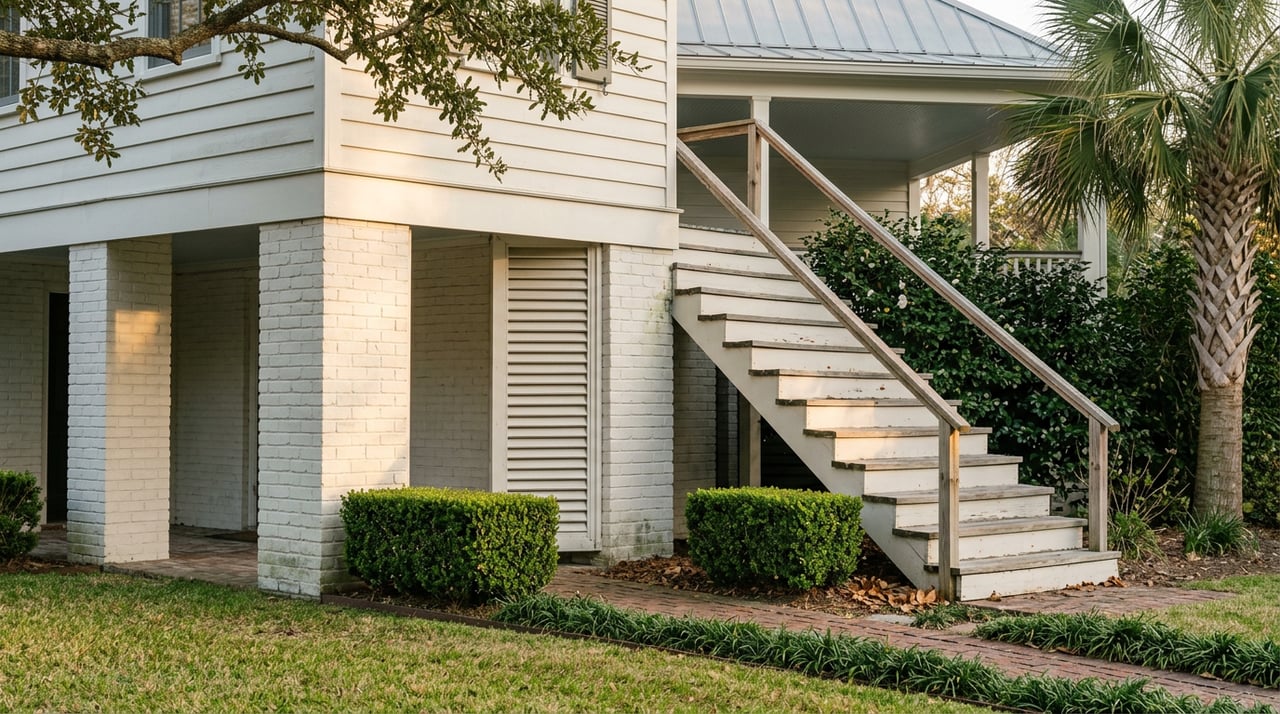
Direct private or deeded access typically increases demand versus relying only on public access points. The distance and ease of the walk, including stairs and dune crossings, influence how buyers experience the property. Recorded rights and any related maintenance obligations should be confirmed.
Dock rights and water access
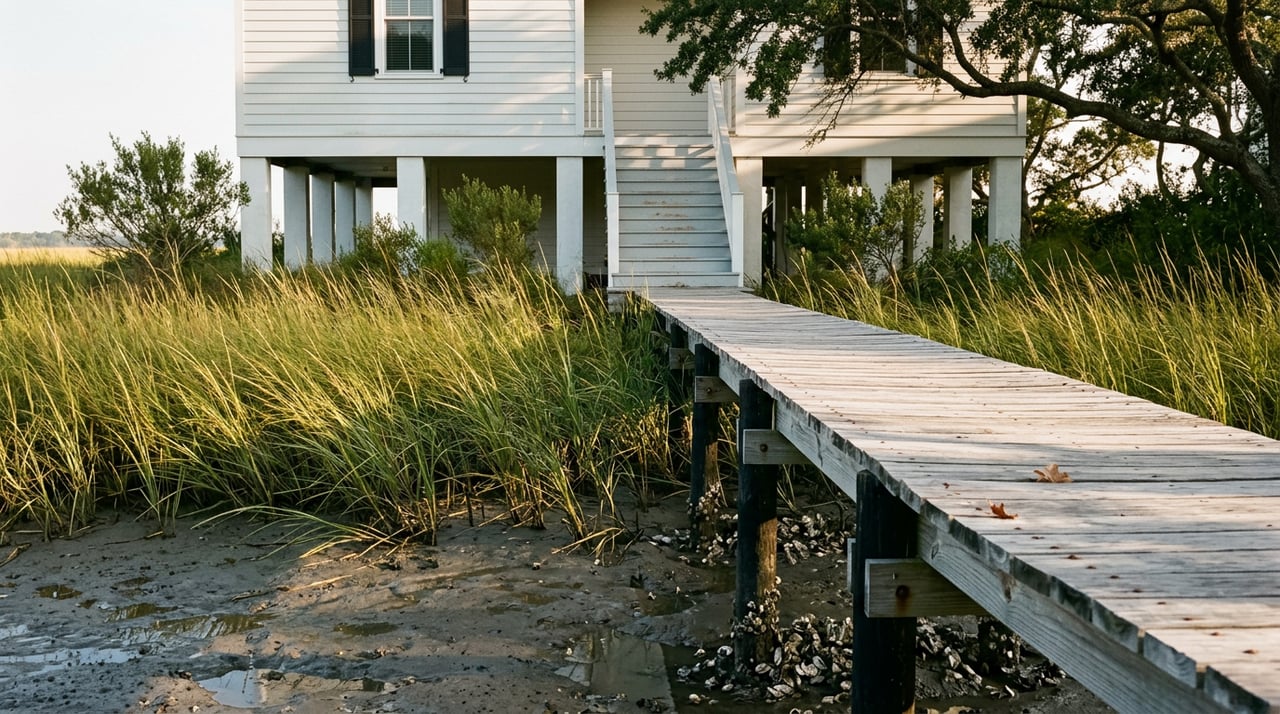
Private docks with navigable water and the right permits appeal to boat owners and waterfront buyers. Depth, tidal exposure, and slip size shape utility and value. Unclear or revocable rights reduce the buyer pool and price confidence.
Renovation quality, systems, and finishes
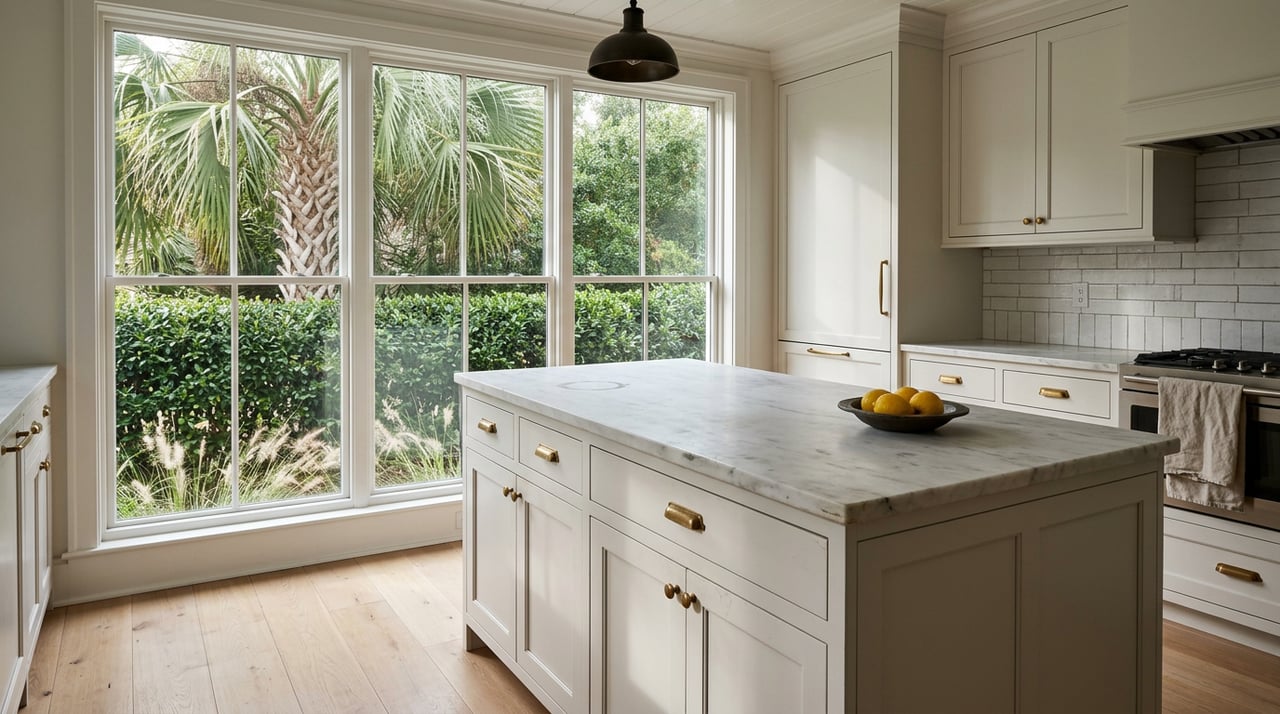
Luxury buyers expect coastal-grade materials, resilient systems, and professional execution. Cosmetic updates are not equal to structural work, elevation improvements, or full mechanical overhauls. Quality upgrades can shorten time on market and support stronger pricing when reflected in comparable sales.
Resilience, elevation, and insurance exposure
FEMA flood zones, base flood elevation, and elevation certificates influence insurance costs and liquidity. Properties with higher finished-floor elevations and certified mitigation measures often achieve better pricing. Clear disclosure of insurance history and resilience upgrades supports buyer confidence.
Regulatory and permitting status
Coastal setbacks, dune protection, and dock or shoreline permits all affect what you can legally maintain or improve. Fully permitted work is more valuable than unpermitted work that may require remediation. Verified entitlements reduce buyer risk and support your ask.
Market micro-location
Street alignment, proximity to Isle of Palms Village/Front Beach, access to marinas and the Intracoastal, and commute patterns to Charleston all shape demand. Subtle differences within the island can lead to different buyer preferences.
Buyer pool breadth
At the luxury tier the buyer pool is thinner. Small list price changes can create large swings in showings, time on market, and offers. Pricing into the right search band is essential.
How to quantify and adjust your price
Views: measuring the premium
Start with close-in-time sales that share the same view type, then adjust for orientation and elevation. Use paired sales where the primary difference is the view. When perfect comps do not exist, document the rationale with photography, sightline details, and the permanence of the view.
Beach access: deeded vs. public
Treat private or deeded access as an amenity and look for sales with the same recorded rights. Note distance to access points and the nature of the walk. Confirm any HOA or easement maintenance costs and reflect them in your pricing.
Docks and navigable water
Verify dock existence and rights via title, plat, and permits. Compare to sales with similar dock depth, tidal exposure, and slip capacity. Adjust for known maintenance, dredging, or encumbrances to avoid surprises.
Renovations and systems
Sort improvements into cosmetic, intermediate, and structural/system categories. Anchor value with high-end local comps that display similar quality. Support claims with contractor documentation, permits, and certificates of occupancy where relevant.
Flood, elevation, and insurance
Pull FEMA FIRMs, secure an elevation certificate, and estimate flood insurance premiums or mitigation costs. Highlight documented resilience upgrades such as impact windows or elevated utilities. Present insurance and mitigation details in a buyer-ready packet to protect your price.
Regulatory confidence
Check municipal planning and permitting records for dune setbacks and coastal work. Confirm state and federal approvals for docks or shoreline structures. Discount unpermitted items to reflect remediation risk.
Blend comps with real-time demand
Core demand metrics to watch
- Active luxury inventory and months of supply at your price band.
- Showing requests, broker tour attendance, and online engagement.
- Days on market trends for your tier versus the broader IoP and Charleston luxury markets.
- The frequency of price reductions, seller concessions, and list-to-sale ratios.
Seasonality on Isle of Palms
Coastal luxury demand often rises from late fall through spring, with a spring listing peak. Off-season listings can face fewer competing homes but may require sharper pricing and stronger marketing. Entering high season with limited inventory can support a premium if your home’s fundamentals are strong.
Tactics for testing elasticity
Start with a comps-based baseline, then overlay current demand signals. If inquiries and showings run strong, you can test slightly above comps. If traffic lags or DOM is climbing, consider a more competitive price or a staged price strategy with pre-agreed review points.
Tools and sources
Use the Charleston Trident MLS for comps, inventory, and DOM. Pull FEMA maps and elevation certificates for flood and insurance clarity. Confirm permits through Isle of Palms and Charleston County records, and verify docks with relevant state and federal agencies.
A step-by-step pricing workflow
- Preliminary fact-checks
- Confirm title, easements, dock rights, and recorded beach access.
- Gather current tax, lot, zoning, and setback information.
- Professional valuations
- Order a certified appraisal with coastal expertise.
- Consider a broker price opinion for a market-based lens.
- Comparative analysis
- Build a CMA using close-in-time, close-in-character comps.
- Document adjustments for view, access, docks, and renovation quality.
- Demand overlay
- Pull luxury inventory, DOM, and showing metrics for your price band.
- Factor seasonality and expected time to close.
- Risk and cost adjustments
- Discount for unpermitted work, flood or permit uncertainties, and deferred maintenance.
- Add premiums for deeded access, permitted docks, and documented high-quality upgrades.
- Pricing decision and listing plan
- Choose an initial list price and define a time-bound marketing plan with checkpoints.
- For trustees, document the rationale and third-party inputs.
- Active-market feedback loop
- Review weekly showing data and buyer feedback.
- Adjust marketing or price within agreed timelines.
Trustee and fiduciary considerations
Duty of care
Show you used credible market data and expert valuations to set price. Keep a record of comps, appraisals, and demand metrics. Clear documentation supports fiduciary decisions.
Liquidity vs. maximization
Balance timing needs with potential upside from seasonality or completing permitted upgrades. Model different scenarios so beneficiaries understand the trade-offs. Align expectations with a documented plan.
Professional support
Retain coastal-experienced real estate guidance and, when needed, legal and title support for unique features like docks or encroachments. This reduces risk and strengthens your pricing case. It also streamlines buyer diligence.
Marketing and negotiation linked to price
- Visual assets: Use high-end photography, drone imagery that illustrates view corridors, and virtual tours to engage out-of-area buyers.
- Disclosure package: Provide permits, elevation certificate, insurance history, HOA documents, and maintenance records to reduce friction and back your number.
- Concessions and financing: Expect cash or jumbo financing. Understand appraisal requirements and plan negotiation strategy with those constraints in mind.
Common pricing pitfalls to avoid
- Overweighting interior size while underweighting views, access, and water rights.
- Ignoring flood zone, elevation, and insurance costs in buyer affordability.
- Relying on outdated comps that predate recent demand shifts or seasonality.
- Pricing into the wrong search band and limiting exposure to qualified buyers.
Final take
Pricing a luxury home on Isle of Palms is about more than square footage. When you quantify views, access, docks, renovations, and resilience, then layer in real-time demand and seasonality, you set a number that stands up to scrutiny and draws the right buyers. If you want a confidential, data-forward plan tailored to your property, reach out to Robertson Allen. Schedule a private market consultation.
FAQs
How does oceanfront vs. second-row location affect price on Isle of Palms?
- Oceanfront with permanent wide views typically commands a premium, while second-row value depends on view corridors, access ease, and future view risk.
What documents confirm dock rights before pricing my listing?
- Title commitments, recorded plats and easements, plus state and federal permits establish dock existence, rights, and ongoing obligations.
How do flood zones and elevation influence luxury pricing on IoP?
- FEMA zone, base flood elevation, and elevation certificates shape insurance costs and liquidity; certified mitigation can support stronger pricing.
When is the best season to list a luxury IoP home?
- Buyer activity often rises late fall through spring; aligning with low inventory in those months can support a premium when fundamentals are strong.
Should I price above comps to test the luxury market?
- Consider it only if current demand signals are strong; set review checkpoints and be ready to adjust if showings and inquiries fall short.