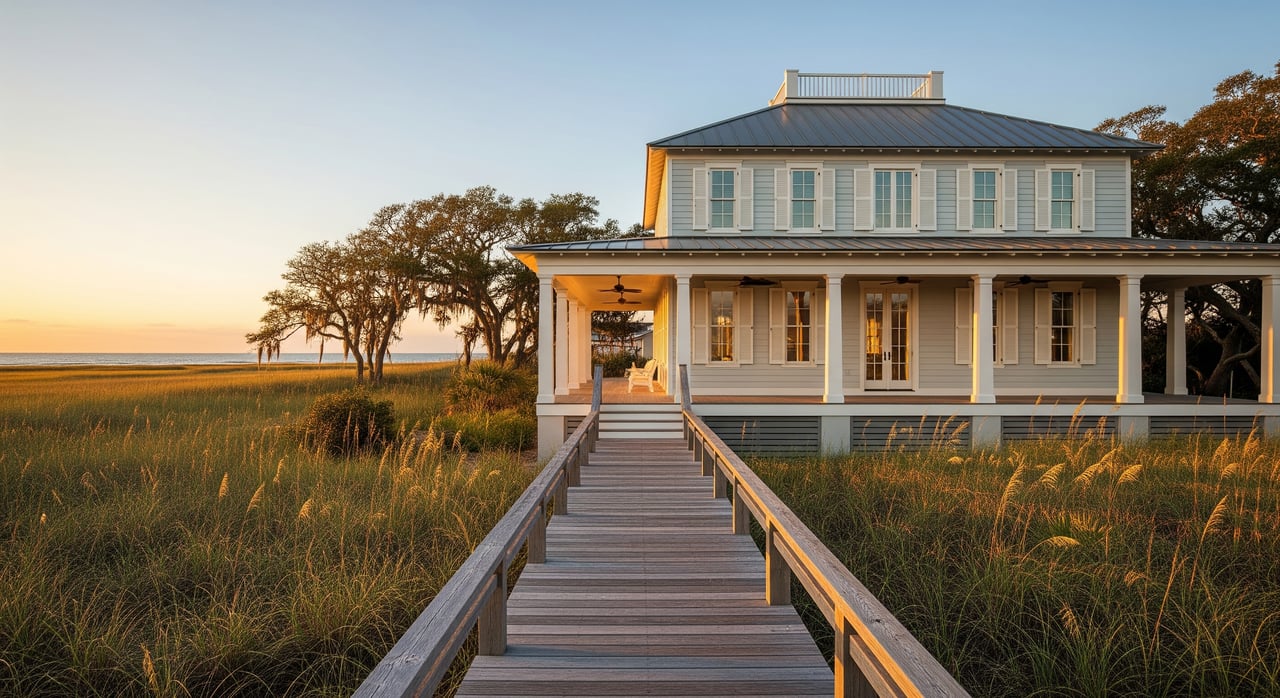
Thinking about a beach home near Charleston but unsure whether Sullivan’s Island or Isle of Palms fits you better? You’re not alone. Both offer beautiful shorelines and Lowcountry charm, yet the day‑to‑day experience feels very different. In this guide, you’ll compare beach access, vibe, boating, travel times, housing, insurance, and rental potential so you can choose with confidence. Let’s dive in.
Quick take: two islands, two lifestyles
Sullivan’s Island leans residential and low‑key. You’ll find quiet streets, preserved dunes, and a small cluster of locally loved restaurants. Commercial activity is limited, which helps keep the neighborhood feel.
Isle of Palms is larger and more resort‑oriented. You’ll see a wider mix of homes and condos, easier beach access points, and more visible seasonal activity. If you want amenities and optional rental income, you’ll find more choices here.
Beach access and shoreline feel
Sullivan’s Island offers a quieter beach experience with stretches of natural dunes and native vegetation. Public access paths are available, but you won’t find many commercial beach amenities. Fewer large parking lots help limit crowding, especially outside peak holidays.
Isle of Palms has more developed access points, with public parking areas, boardwalks in certain zones, and seasonal beach services. Near resort areas, expect more visitors in summer and a livelier scene with lifeguards and rental chairs where permitted.
Dining, retail, and daily vibe
Sullivan’s Island keeps a village‑scale pace. Dining is concentrated along a few streets with a local‑first feel. Nightlife is modest, and most residents head to Mount Pleasant or downtown Charleston for broader shopping.
Isle of Palms offers more on‑island services. You’ll find beachfront bars, quick‑service spots, seasonal retail, and access to nearby resort amenities. For full retail needs, many residents also use Mount Pleasant or downtown Charleston.
Marinas and boating access
If boating is a priority, Isle of Palms typically has the edge with larger marina facilities and easier access to slips and services. Deepwater access supports both casual boating and fishing.
Sullivan’s Island does not have the same on‑island marina footprint. Many boaters use nearby Mount Pleasant marinas, Charleston Harbor facilities, or IOP marinas. You’ll still be close to the mouth of Charleston Harbor and Breach Inlet for memorable day trips.
Getting around and commute times
Both islands are generally within 20 to 40 minutes of downtown Charleston in typical, non‑peak conditions. Sullivan’s Island can be slightly closer by mileage, but actual drive time varies with traffic and season.
To Charleston International Airport, plan for roughly 30 to 50 minutes depending on time of day and route. Summer weekends and holidays bring heavier congestion at bridge approaches and connectors. Always check real‑time routing when timing matters.
Homes, zoning, and character
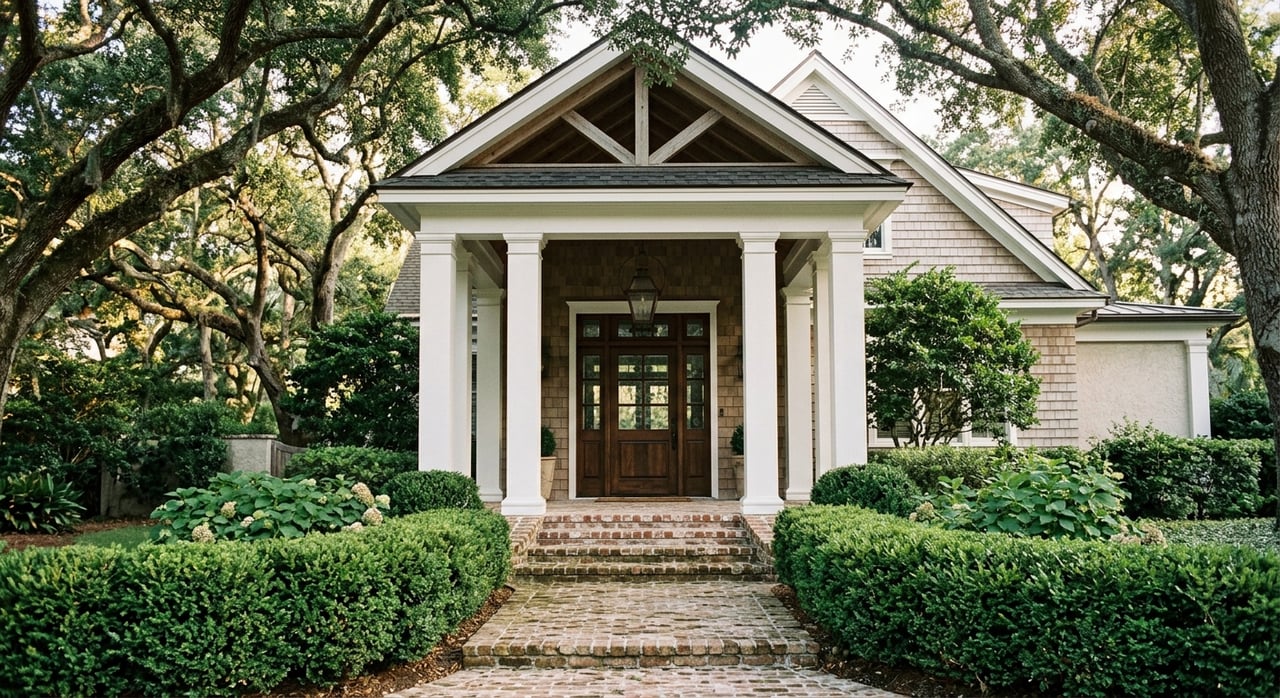
Sullivan’s Island is primarily single‑family, with historic cottages, renovated homes, and design review standards that help preserve character. The lower‑density zoning and small commercial footprint reinforce a residential atmosphere.
Isle of Palms offers more variety. You’ll find single‑family homes, beachfront properties, and a wider selection of condos and resort‑style communities. The zoning allows for higher‑density residential in designated areas, which creates more price points and ownership models.
Insurance and coastal resilience
Both islands sit in FEMA flood zones and face storm surge risk. Lenders commonly require flood insurance, and premiums vary by flood zone, elevation, and building features. Elevated construction and wind‑mitigation updates can influence both premiums and resale appeal.
Local beach renourishment, dune management, and resilience planning impact long‑term shoreline stability and potential assessments. Instead of relying on averages, get address‑specific quotes from experienced coastal insurance brokers and review FEMA maps and any available elevation certificates.
Short‑term rentals and income potential
Isle of Palms generally has a larger short‑term rental market, with condos and resort properties designed for vacationers. That said, profitability depends on unit type, location, management, and current rules.
Sullivan’s Island is more residential and has stricter community norms. Both municipalities regulate rentals, and rules change over time. Always confirm current town licensing, occupancy rules, and any caps, and check HOA or condo documents for additional restrictions.
Ownership costs and maintenance
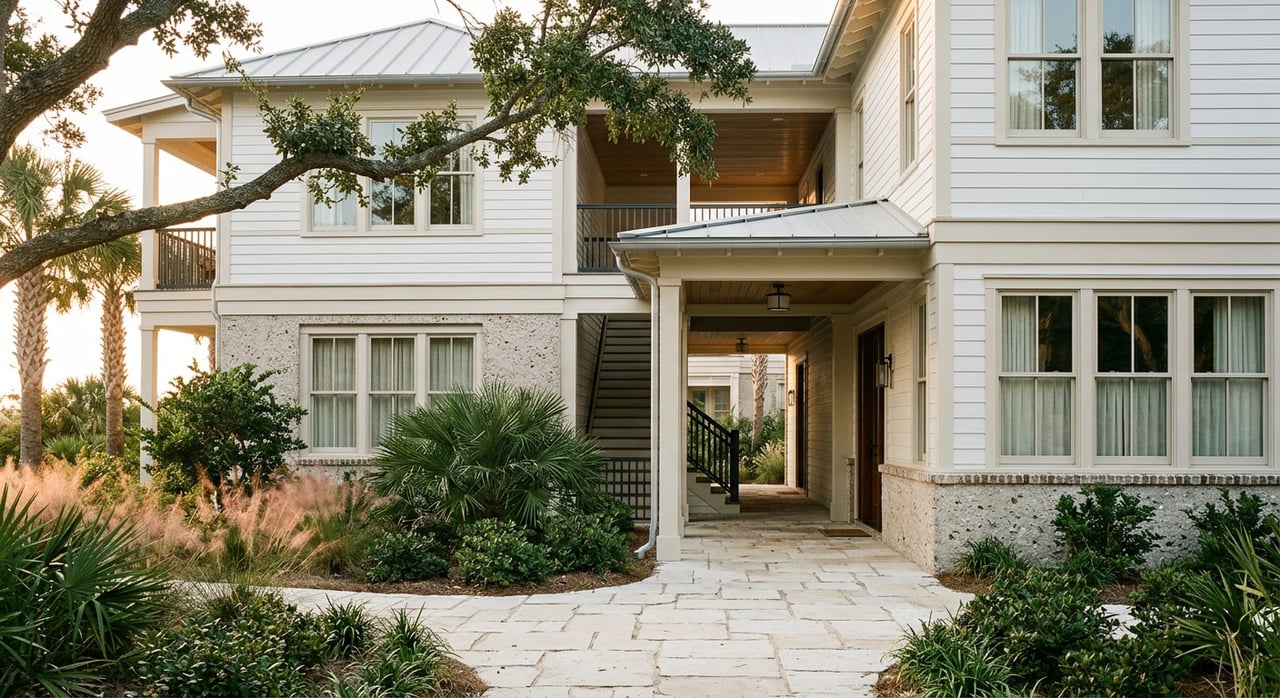
Coastal ownership comes with unique upkeep. Salt air and wind mean more frequent exterior coatings, attention to HVAC corrosion, and periodic repairs for stairs, railings, and pilings. Many homes are elevated to meet flood code, which can affect access, storage, and insurance.
Utility costs and providers vary by property. Ask about sewer versus septic, trash services, and internet options. If a property is within a resort or HOA, review dues, reserve funds, assessments, and coverage of common elements.
How to tour both in one day
Morning on Sullivan’s Island:
- Walk a beach access path to feel the quieter shoreline and dune preservation.
- Drive residential streets to see historic cottages and higher‑end renovations.
- Stop by the restaurant cluster to understand the limited, local‑focused retail mix.
Afternoon on Isle of Palms:
- Visit a central commercial corridor and a public beach access to gauge seasonal activity.
- Tour a beachfront condo or resort complex to explore amenities and HOA structures.
- See the marina area for slip availability and services, and, if appropriate, tour a gated or resort community.
Add a Mount Pleasant detour for daily conveniences. Compare grocery options, services, and drive times to your frequent destinations.
Buyer checklist for a confident choice
Market and pricing:
- Review recent median prices, inventory, and days on market for each island and product type.
- Compare price per square foot and recent comps for your target areas.
- If planning to rent, request seasonal performance data for similar properties.
Property specifics:
- Verify FEMA flood zone and obtain any available elevation certificate.
- Get preliminary flood and wind insurance quotes from a local coastal broker.
- Confirm sewer or septic and any site evaluations required.
- Check design review or historic standards, especially on Sullivan’s Island.
Rules and operations:
- Read current short‑term rental ordinances and licensing requirements.
- Review HOA or condo covenants, rental policies, reserves, and recent assessments.
- Understand coastal construction requirements and permitting timelines.
- Ask about any municipal assessments tied to beach or stormwater projects.
Maintenance and logistics:
- Budget for exterior upkeep, HVAC service, and corrosion control.
- Clarify dune and beach access maintenance responsibilities.
- Confirm utility providers and typical service levels.
Bring to your tour:
- Your must‑have list, target budget, and stance on rentals.
- Questions about insurance, elevation, HOA rules, and renovation limits.
Which island fits your lifestyle?
Choose Sullivan’s Island if you value a quieter, residential setting, a preserved streetscape, and a neighborhood feel with modest commercial presence. It suits buyers who want a primary residence or calm retreat and appreciate design oversight that protects character.
Choose Isle of Palms if you want a broader mix of ownership types, on‑island amenities, and ready access to marinas and resort offerings. It fits buyers who prefer convenience, optional rental activity, and a more dynamic beach scene in peak season.
When you are ready to explore, schedule a private, side‑by‑side tour that matches your priorities. For discreet guidance and access to both on‑ and off‑market opportunities, connect with Robertson Allen. Schedule a private market consultation.
FAQs
Which island has lower insurance and flood costs?
- It varies by exact property, elevation, and construction features; obtain address‑specific quotes and review FEMA maps and any elevation certificates.
Is Isle of Palms better for rental income?
- Isle of Palms typically has deeper short‑term rental inventory, especially condos, but profitability depends on unit type, rules, management, and seasonality.
How long is the drive to downtown Charleston?
- In typical conditions, plan for about 20 to 40 minutes from either island, with Sullivan’s sometimes a bit closer; traffic and season can change this.
Are there renovation restrictions on Sullivan’s Island?
- Many properties are subject to design review and historic standards; confirm requirements with the town before planning changes or additions.
What should I look for on a beach‑area home tour?
- Check flood zone and elevation, insurance estimates, HOA or condo rules, maintenance needs, and proximity to the beach, marinas, and daily services.