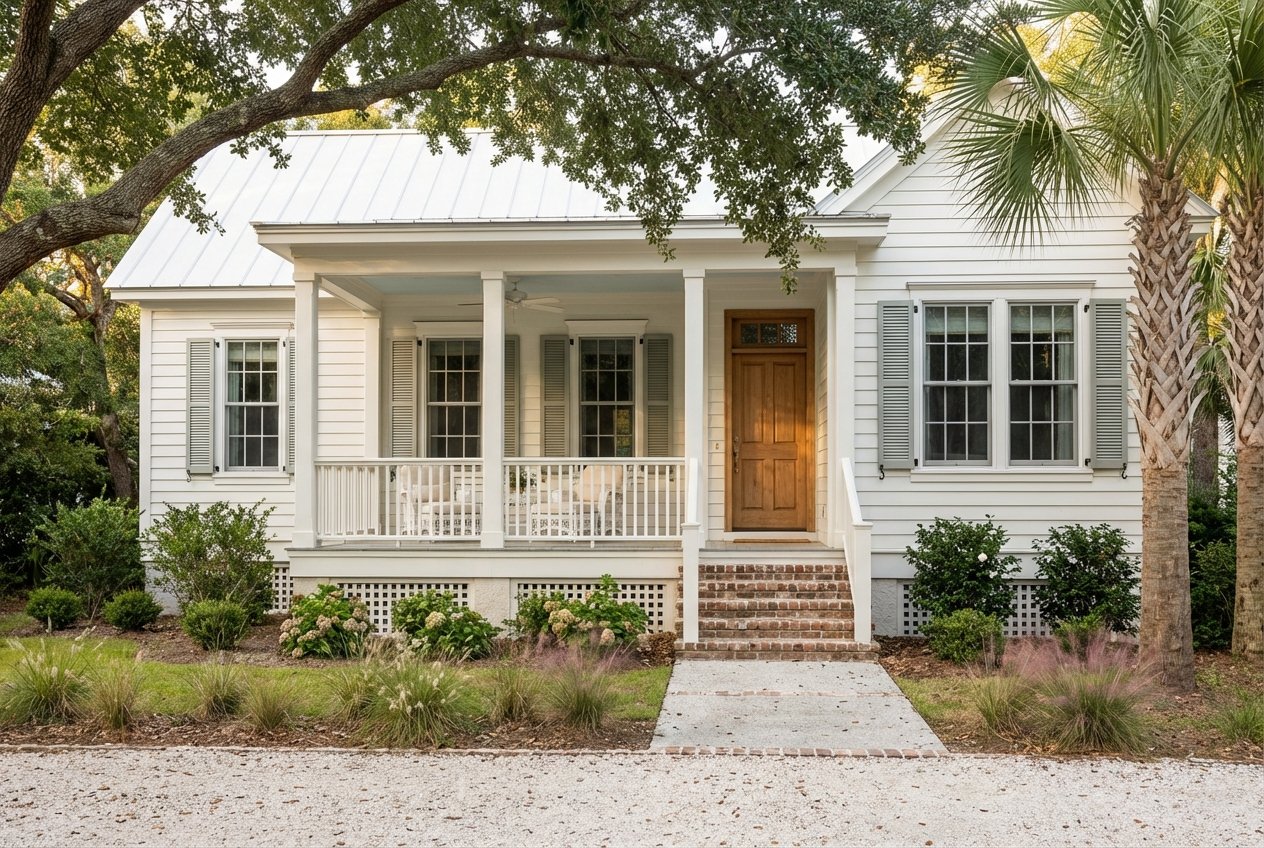
If you’re dreaming of a quiet beach retreat where mornings start with a walk to the dunes and evenings end with a chef-driven dinner, Sullivan’s Island delivers a rare mix of serenity and style. You want a second home that feels private, easy to manage, and close to everything that makes Charleston special. In this guide, you’ll learn how daily life flows here, what rules and costs to plan for, and how to approach ownership with confidence. Let’s dive in.
Why Sullivan’s Island fits a second home
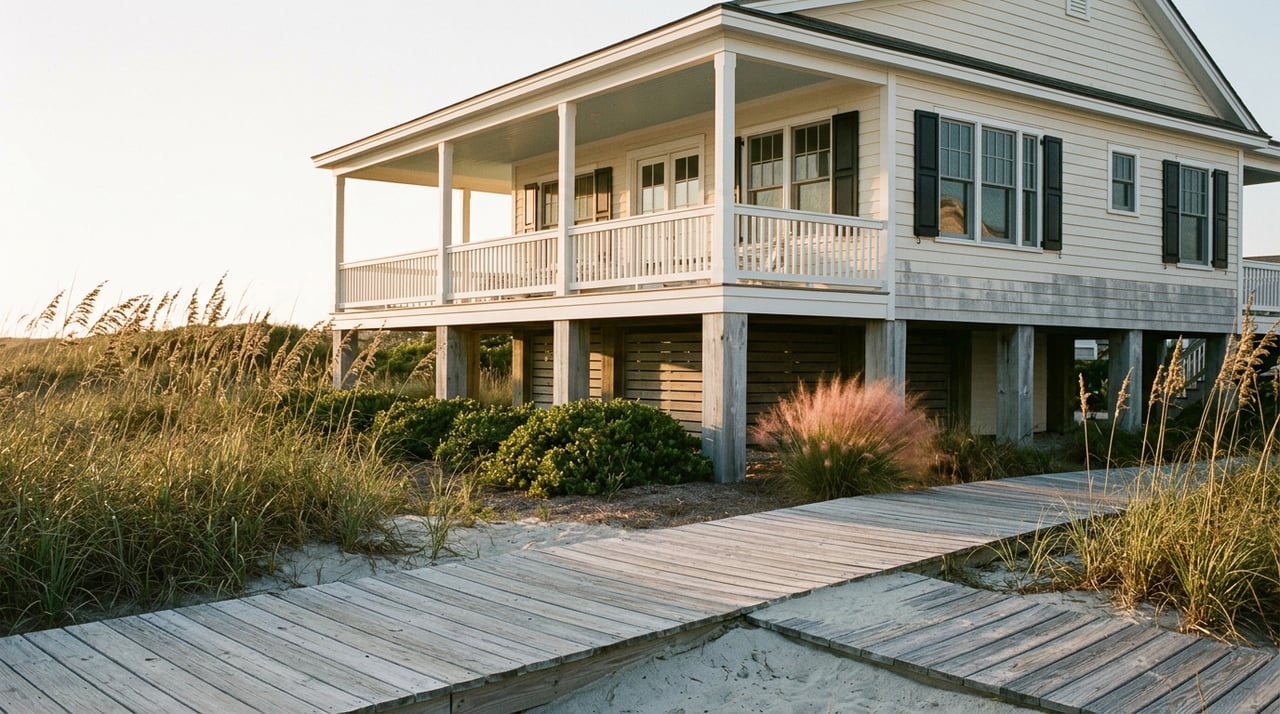
Sullivan’s Island is a compact, primarily residential barrier island at the mouth of Charleston Harbor. The vibe is low density, neighborly, and preservation minded. You will not find hotels lining the beach or a big tourist strip, which keeps the pace calm for owners.
If you want a walkable beach town with great dining and small shops, this island checks that box. If you need high-volume short-term rental income to make the numbers work, it likely does not. Local summaries consistently note limited supply and rules that protect residential character, which is part of the island’s appeal for second-home owners.
Getting there and getting around
Two bridges connect you to the mainland. The Ben Sawyer swing bridge links Sullivan’s Island to Mount Pleasant, and Breach Inlet connects to Isle of Palms. The island’s spine, Middle Street, runs parallel to the beach, with numbered Stations marking public beach access points. For quick context on location and layout, see the Sullivan’s Island overview.
Parking for beach access is along public rights of way. Rules are enforced, so make sure all tires are off the pavement and follow posted signs. Several Stations include accessible ladders or matting, and the Town maintains a list of ADA beach access points.
Beach access and key rules
There are no lifeguards on duty during the year, so swim with care and check conditions. The Town prioritizes a clean, safe shoreline. Before your first beach day, review the official beach rules. Highlights include:
- No alcohol on streets, boardwalks, or beaches.
- Plastics and polystyrene are banned on the beach.
- Dogs need a Town dog license, and owners must remove waste.
- No motorized vehicles on beach paths or the sand. This includes golf carts and LSVs.
- Commercial activity on the beach is prohibited. That includes vendors and paid photo shoots.
These rules are actively enforced and can carry fines. Plan family time accordingly, and pack out all trash.
Dining, shops, and the Middle Street groove
Middle Street is where you grab coffee, browse a surf shop, and choose between casual bites and standout restaurants. You will find well-known local spots like Poe’s Tavern and Home Team BBQ, plus chef-driven dining and seafood bars. The island’s scene is compact and highly rated. For a lifestyle snapshot and recommendations, the Southern Living feature on Sullivan’s Island is a helpful read.
Grocery and retail are limited on the island. Most owners do bigger errands in Mount Pleasant or downtown Charleston, which are only a short drive over the bridge.
Outdoor time, boating, and history
Your day can be as active or relaxed as you like. Beyond the beach, you can walk or run the Sullivan’s Island Nature Trail, visit historic Fort Moultrie, or fish near Breach Inlet. There is no large marina on the island, so most boaters keep vessels in Mount Pleasant, Isle of Palms, or Charleston Harbor. Shem Creek is a favorite nearby launch and social spot.
Seasons and when to visit
Summer is the island’s busiest stretch from Memorial Day to Labor Day. Expect more visitors on weekends and fuller restaurant hours. Spring and fall are prized for mild weather and quieter beaches. Winter is peaceful, which many second-home owners love for a restorative retreat. The Town shares community updates and events on its website, so check the Town’s homepage for calendars and notices.
Ownership essentials: rules, risk, and resilience
Owning on a barrier island means blending beach living with smart risk management. Here are the key pieces to understand.
Short-term rentals and investment reality
Local investor and broker summaries consistently report that new short-term rentals under 30 days are not permitted on Sullivan’s Island. Some properties may have historic or grandfathered status. The practical takeaway is simple. If your plan depends on frequent Airbnb or VRBO bookings, treat this market as largely unsuitable unless you confirm a specific property’s legal status with the Town.
- For ordinance context, start with the Town’s codified ordinances and confirm any property’s situation with Town staff.
- For a plain-language overview of investor considerations, see this short-term rental guide.
Flood zones and insurance
The entire island sits within FEMA Special Flood Hazard Areas. If you use financing, flood insurance is typically required. Even for cash purchases, insurance is a critical line item to model.
- Ask for the elevation certificate on any newer or substantially improved home.
- Get a flood insurance quote early in your process.
- The Town provides guidance and contacts. Start with the Floodplain Management page to understand zones, mitigation, and who to call.
Taxes, utilities, and carrying costs
Property taxes are set by Charleston County and the Town. For exact numbers, you will need the parcel details. The Town points you to relevant code and business tax references, and the county assessor can confirm the specifics for a given property. When you run scenarios, include utilities, insurance, and a healthy maintenance reserve for coastal wear.
Maintenance in a salt-air climate
Salt air speeds up corrosion on metal, HVAC, and exterior fixtures. Decks, railings, and paint need regular attention. Many older homes may use septic rather than municipal sewer, so build a septic inspection into your due diligence if relevant. Budget for coastal-grade materials, elevated placement for mechanicals, and hurricane readiness that can include shutters and backup power.
Permitting, design review, and historic context
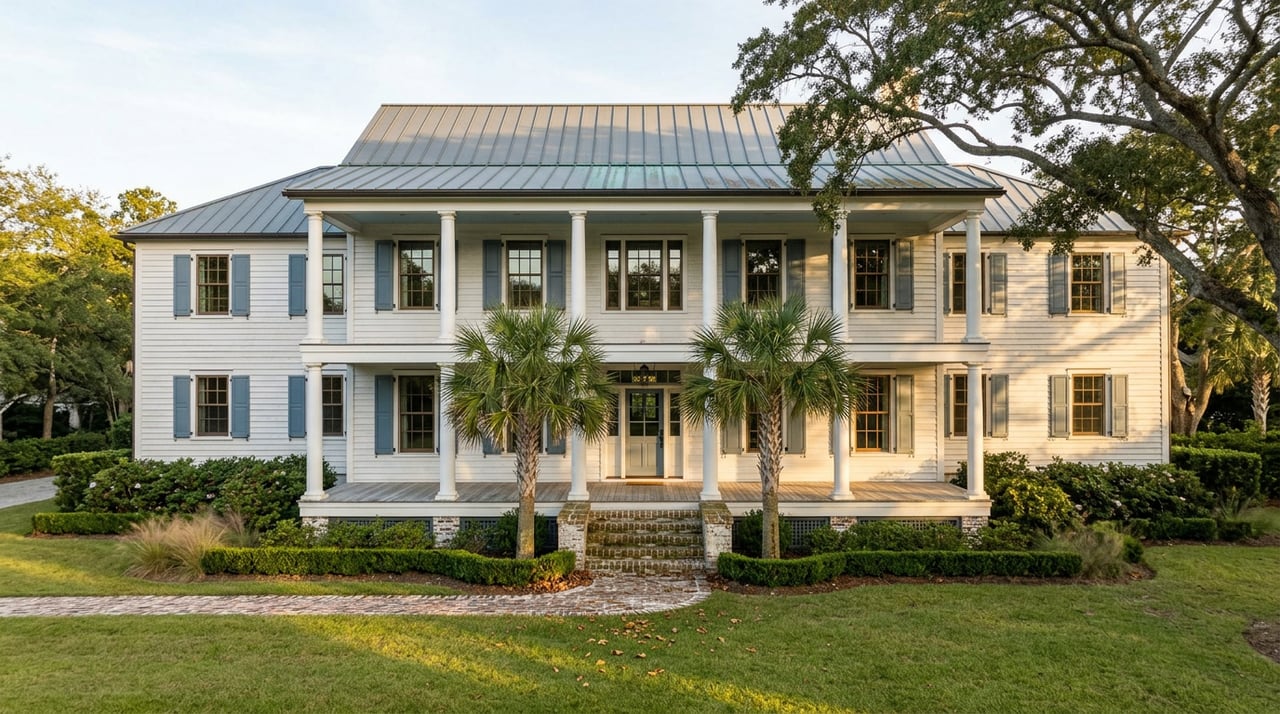
Parts of the island sit within historic areas, and the Town has a clear permitting process for building and renovation. Expect standards related to flood resilience, setbacks, and design. Before you plan changes, consult the Town’s ordinances and permitting overview and speak with the appropriate staff.
Renting and property management on the island
Given the island’s residential focus, most professional management here supports ownership rather than high-turnover vacation hosting. That often means regular property check-ins, storm preparation, and post-storm inspections. Longer leases that meet local rules remain an option for some owners. If rental income is part of your plan, verify any grandfathered status and whether it transfers with a sale. Expect strong enforcement and fines for unpermitted short-term activity. For regulatory clarity, consult the Town’s ordinances.
Quick due-diligence checklist
Use this list to structure your evaluation and timelines.
- Confirm zoning and any short-term rental eligibility with the Town Clerk or Building Department. Start with the ordinances overview.
- Request the elevation certificate and verify the parcel’s FEMA flood zone. Ask a local insurer for a quote. The Town’s Floodplain Management page has contacts and resources.
- Ask the listing agent whether the home is on sewer or septic. If septic, order a recent inspection and maintenance record.
- Review access logistics. The Ben Sawyer Bridge is a swing bridge, so tall-vessel openings can briefly delay traffic. For guests, note that right-of-way parking is enforced and all tires must be off pavement. See the Town’s beach rules for parking guidance.
- Check any HOA or property-level rules for pets, rentals, and amenities.
- Identify a trusted local contractor or caretaker in advance for storm prep, shutter installation, and generator service.
A relaxed long weekend sample
- Morning: Coffee on the porch, then walk to your nearest Station for a beach swim. No lifeguards are on duty, so keep an eye on conditions and kids.
- Midday: Grab lunch on Middle Street and browse a surf or boutique shop. The Southern Living guide has helpful dining ideas.
- Afternoon: Visit Fort Moultrie or catch sunset at Breach Inlet. If you boat, plan launches from Mount Pleasant or Isle of Palms marinas.
- Evening: Reserve a table at one of the island’s chef-driven spots, then enjoy a quiet walk home under the stars.
Ready to explore properties with confidence?
A second home on Sullivan’s Island is about simplicity, sea air, and a community that values preservation. When you are ready to evaluate specific streets, renovation potential, and risk profiles, work with a local advisor who lives this market every day. Robertson Allen offers discreet, white-glove representation rooted in deep Lowcountry expertise. Schedule a private market consultation.
FAQs
Are short-term rentals allowed on Sullivan’s Island?
- Local summaries consistently report that new rentals under 30 days are not permitted, and only certain properties may have grandfathered status. Always confirm a specific home’s eligibility with Town staff and review the ordinances.
What beach rules should owners and guests know?
- No alcohol on streets, boardwalks, or beaches, plastics are banned on the beach, dogs need Town licenses, and no motorized vehicles are allowed on beach paths or sand. Review the full beach rules.
How does flood risk affect insurance on Sullivan’s Island?
- The island is within FEMA Special Flood Hazard Areas, so lenders typically require flood insurance. Ask for the elevation certificate and get quotes early. The Town’s Floodplain Management page explains zones and mitigation.
Where can I launch a boat near Sullivan’s Island?
- Most owners use nearby facilities in Mount Pleasant, Isle of Palms, or Charleston Harbor. Shem Creek is a popular launch and boating hub.
How busy does the island get in summer?
- Summer is the busiest season, especially on weekends and holidays. Spring and fall are relaxed shoulder seasons, and winter is very quiet. Check the Town’s site for community updates and calendars.
What maintenance should I plan for a coastal second home?
- Budget for more frequent exterior upkeep, corrosion control for HVAC and metalwork, regular deck and paint maintenance, and hurricane readiness that can include shutters and generator service. If a home uses septic, include inspection and maintenance in your plan.