"Permits do not transfer. Permits are tied to the person, not the property." That's how one North Charleston compliance officer put it after fielding a wave of calls from sellers convinced their short-term rental business would simply carry over to whoever bought the house next. She was describing North Charleston's program, but the logic runs the same on the peninsula, and this summer, with the city mid-rewrite of its own short-term rental ordinance, that distinction matters more than it has in years.
Walk through any listing on the peninsula this season and you'll see it: a line about "current STR income" or "successfully operated as a short-term rental," offered as evidence of upside baked into the price. It reads like an asset. It behaves like a lease that expires the moment ownership changes.
The Permit Follows the Applicant, Not the House
Charleston's own short-term rental program requires the person holding the permit to be the one operating the property. Sell the house, and the buyer starts over. New application, new inspection, new proof of eligibility. Nothing about the seller's clean track record transfers with the keys.
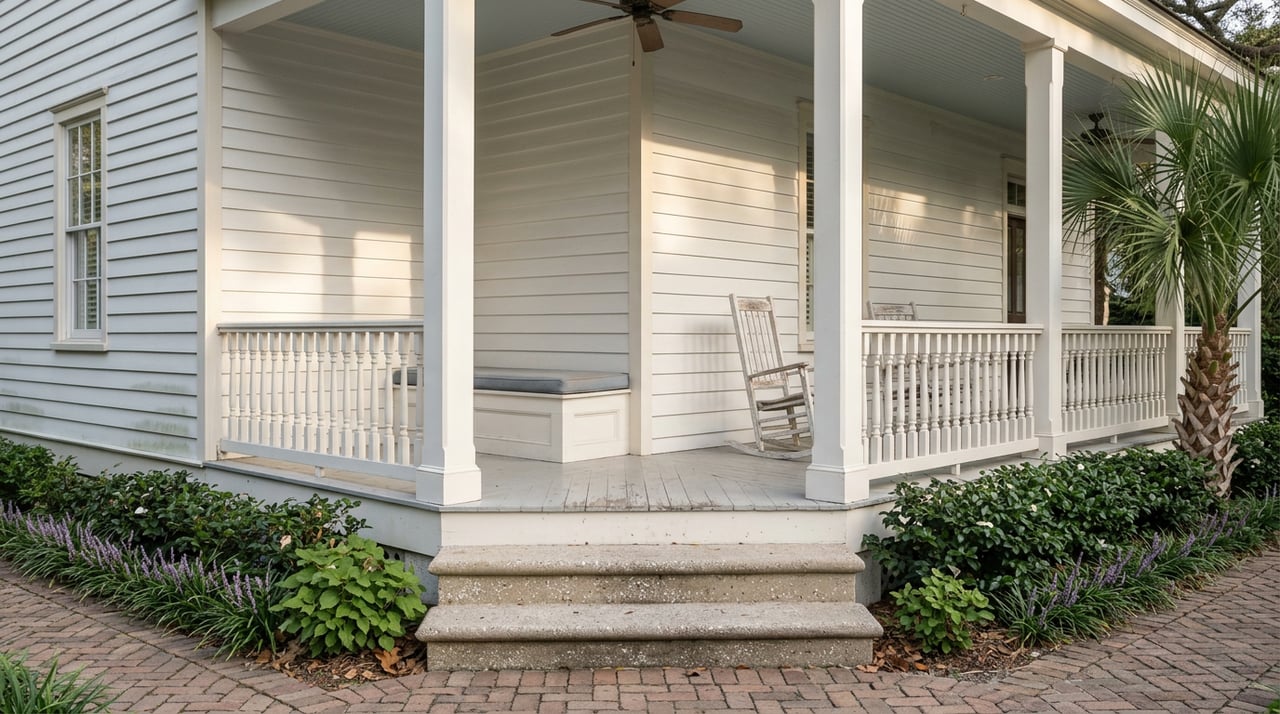
For the peninsula's primary residential category, the requirements are specific and personal rather than structural. The owner must declare the home as a primary residence. The owner must be physically present when guests are on site. Only an accessory unit can be rented short term, not the main house itself. One off-street parking space has to be set aside exclusively for the renter, and only one short-term rental unit is allowed per property. Every one of those conditions attaches to a person's living situation, not to the building.
That means a buyer's ability to replicate a seller's rental income depends entirely on whether the buyer intends to live there full time, whether the buyer can be present when guests stay, and whether the property actually has a qualifying accessory structure. None of that is guaranteed by the sale itself.
| At closing | Conveys with the deed | Requires a fresh application |
|---|---|---|
| The house and any accessory structure | Yes | |
| The seller's rental income history | Not transferable, resets to zero | |
| The seller's STR permit | Buyer must reapply | |
| Owner-occupancy eligibility | Tied to the buyer's own residency plans | |
| Off-street parking space | Physical space conveys | Allocation re-verified under new application |
The Real Filter Is Physical, Not Just Bureaucratic
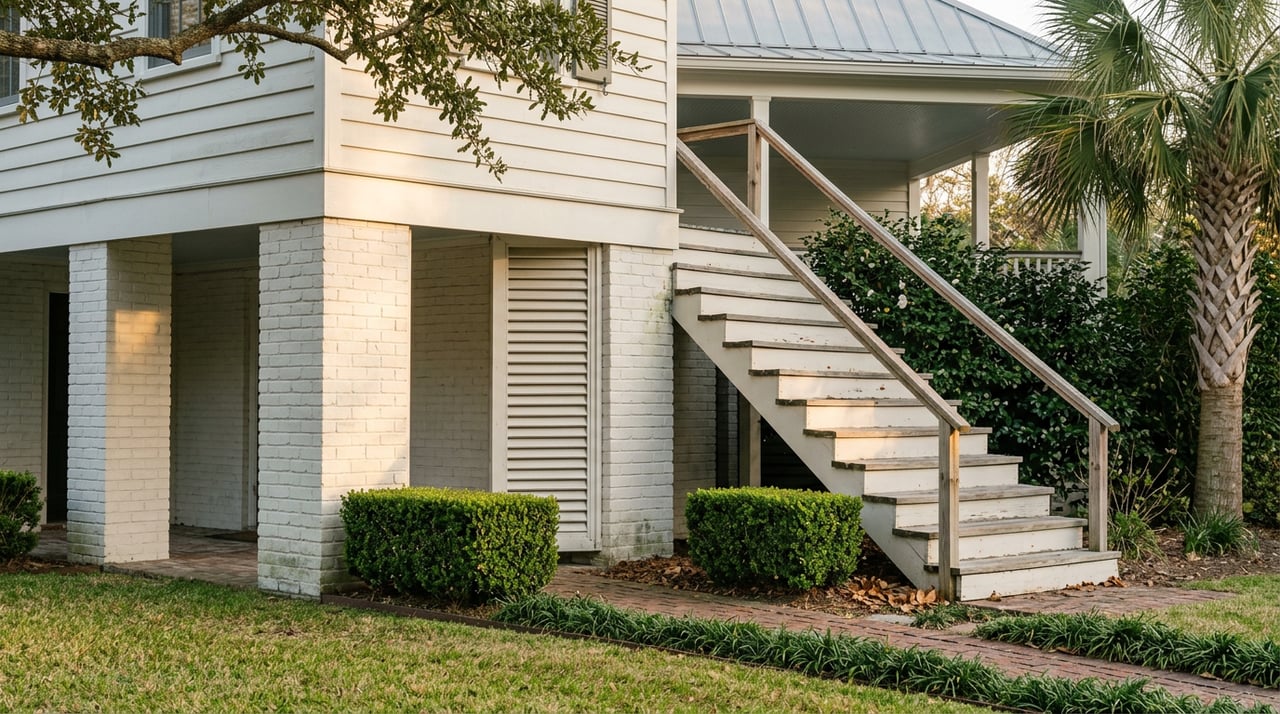
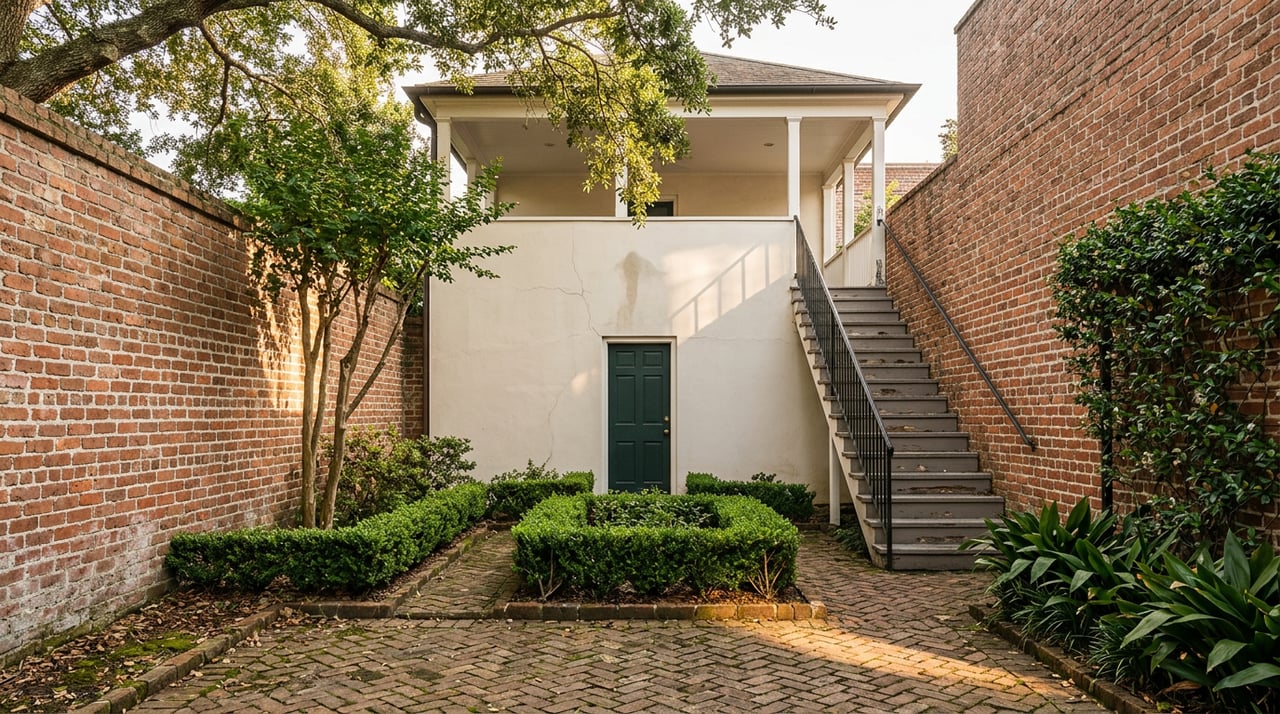
The paperwork friction is the visible part. The more interesting constraint is structural. Because the peninsula's residential program only permits an accessory unit to operate as the short-term rental, a huge share of single houses downtown are ineligible from the start, regardless of demand or a seller's marketing copy. No qualifying carriage house, kitchen house, or similar dependency means no legal path under that category, no matter how strong the trailing twelve months of booking data looks.
There's a second filter worth knowing before an offer goes in: a one-year holding period applies to any unit that has been occupied by a long-term tenant, specifically to discourage converting a resident's home into a nightly rental the moment the lease ends. A buyer who assumes they can flip a currently tenanted unit into an Airbnb the week after closing may find that timeline doesn't hold.
Put together, these two rules mean the honest question for a buyer isn't "is this property currently generating rental income." It's "does this property have the physical bones and the ownership structure to let me legally generate that income myself." Those are different questions with frequently different answers.
The Rulebook Itself Is Being Rewritten This Summer
Layer the timing on top. Charleston's short-term rental ordinance dates to 2018, and the city is now working through its first major rewrite since then. On July 15, 2026, the Planning Commission was set to advance a package of changes, chief among them a shift to occupancy limits set by the fire marshal based on bedroom size, capped at eight guests no matter how large the home. Dozens of property owners showed up to oppose it, and the Commission deferred the vote, sending the proposal back for more work rather than approving or rejecting it outright.
Stephen Ramos, an architect and short-term rental owner who spoke at the hearing, argued the flat cap could cut occupancy by roughly a quarter or more for homes built to sleep ten or twelve guests, calling it a real hit to owners running the properties as small businesses. The city has said the goal is clarity, not a crackdown, and Mayor William Cogswell has separately framed the rewrite as ordinary maintenance, noting the ordinance was built by a task force in 2016 and adopted in 2018, and that a decade of operating experience is enough to justify a tune-up.
The numbers suggest the direct impact is narrow. City officials put roughly 600 licensed short-term rentals within Charleston's designated rental overlay district, and of those, only 29 currently hold approval for more than eight guests. So the flat cap wouldn't touch most existing operators. What it signals is broader: the city is moving toward the fire marshal, not the property owner or the listing agent, as the authority on how many people a given structure can legally host. That's a meaningful shift in who determines a property's earning ceiling, and it's happening in real time while homes are under contract.
As of this writing, the proposal sits back with the Planning Commission, which still has to recommend approval or disapproval before it even reaches City Council for a first reading. Anyone closing on a peninsula property in the coming months should assume the rules they're evaluating today may not be the rules in place a year from now, in either direction.
What This Means for an Offer
If a peninsula listing leans on rental income as part of its pitch, a few questions separate a grounded offer from a hopeful one.
- Ask which permit category applies, and to what structure specifically. A primary-residence accessory rental, a bed and breakfast in a structure over fifty years old, and a legacy whole-home permit predating 2018 are governed differently, and only one of those categories might survive a change in ownership the way you expect.
- Confirm the accessory structure exists and is the one actually registered. A guesthouse that looks the part on a walkthrough isn't the same as one with a permit history behind it.
- Treat the seller's trailing income as a demand signal, not a line item you're buying. Build your number around what you, specifically, would be eligible to operate, given your own residency plans and the property's physical layout.
- Track the ordinance. Ask whether the property's likely guest count would change once occupancy shifts to a fire marshal determination based on bedroom count, since that formula may not match what the current listing advertises.
A Few Questions Worth Settling Before You Write an Offer
If the seller has legally operated a whole-home short-term rental since before 2018, does that history pass to me? The seller's operating history stays with the seller. You would still need to apply fresh under whatever category currently governs that structure, which may or may not match the terms the seller originally operated under.
Does this apply to long-term rentals too, or only short-term stays? This is specific to short-term rental permitting. Longer-term leasing is governed by different rules entirely.
What if I only want to rent occasionally while I live there myself? That's exactly what the peninsula's primary-residence category is designed for: owner-occupied, accessory-unit-only, income that supplements your own residence rather than replaces it. It still requires its own application, submitted by you, once you hold the deed.
A historic single house on the peninsula is worth buying for the house. If part of the appeal is the income it's already producing, that income belongs to the seller's permit, not the property, and the rules governing who can hold the next one are being actively rewritten as we speak. If you're weighing a purchase where the numbers matter as much as the architecture, Robertson Allen can help you separate what's marketable in a listing from what's actually durable once you own it. Schedule a private market consultation.