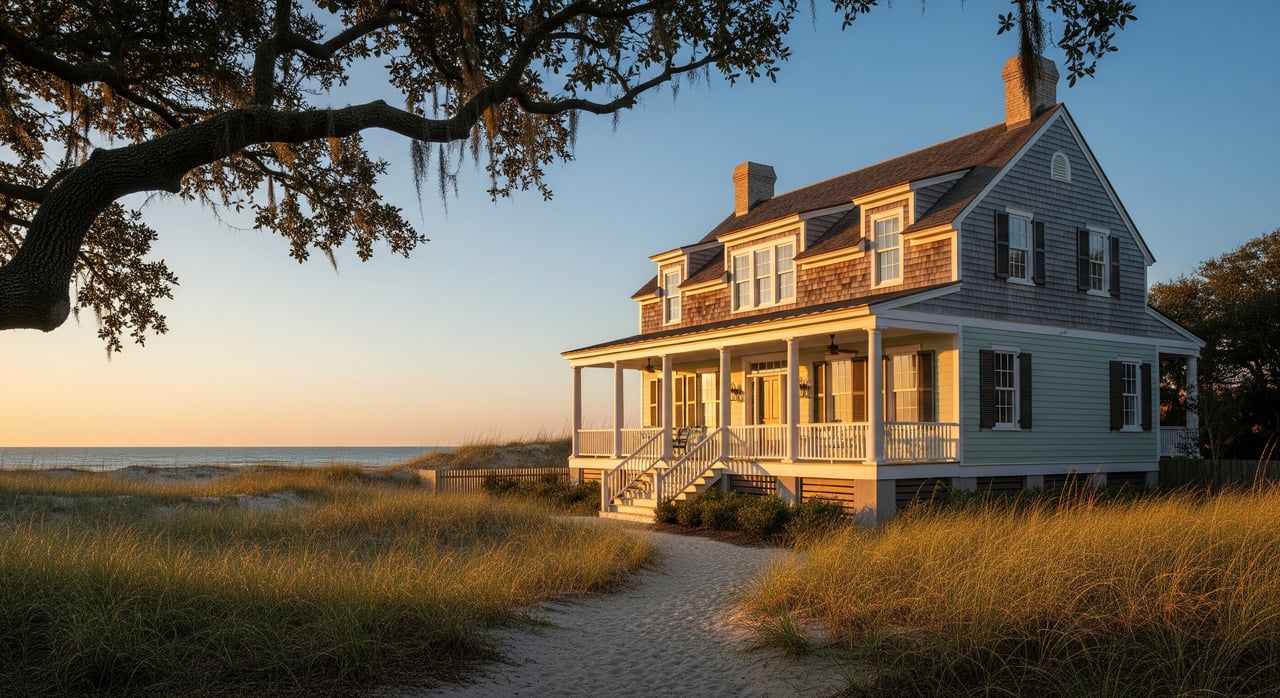
What if you could read a Sullivan’s Island home just by its porch, roofline, and pilings? When you look closely, each detail tells a story about coastal living, resilience, and design traditions that run deep in the Lowcountry. Whether you plan to buy, renovate, or sell, understanding these styles helps you make confident decisions and protect long-term value. This guide walks you through the island’s signature architecture, practical material choices, and the preservation-minded steps that keep homes beautiful and durable. Let’s dive in.
What shapes Sullivan’s Island architecture
Sullivan’s Island sits at the mouth of Charleston Harbor, so homes face salt spray, intense sun, high humidity, and seasonal storms. These conditions shape everything from roof form to siding choices to window design. Elevated foundations, broad eaves, and corrosion-resistant materials are not just preferred. They are smart responses to the environment.
Because the island is a barrier landscape, flood risk and storm surge are central to siting and structure. FEMA flood maps and local code standards influence elevation, pilings, and the treatment of ground levels. Town planning and design review help balance preservation with resilience, which is why you see a mix of early cottages and elevated contemporary homes coexisting block by block.
Signature styles you will see
Lowcountry and beach cottages
You will spot these as modest one or two story forms with simple rectangular or L-shaped footprints. They are often raised slightly on short piers or a crawlspace to help with drainage. Traditional wood clapboard or cedar shingles, wood trim, and double hung windows set the tone.
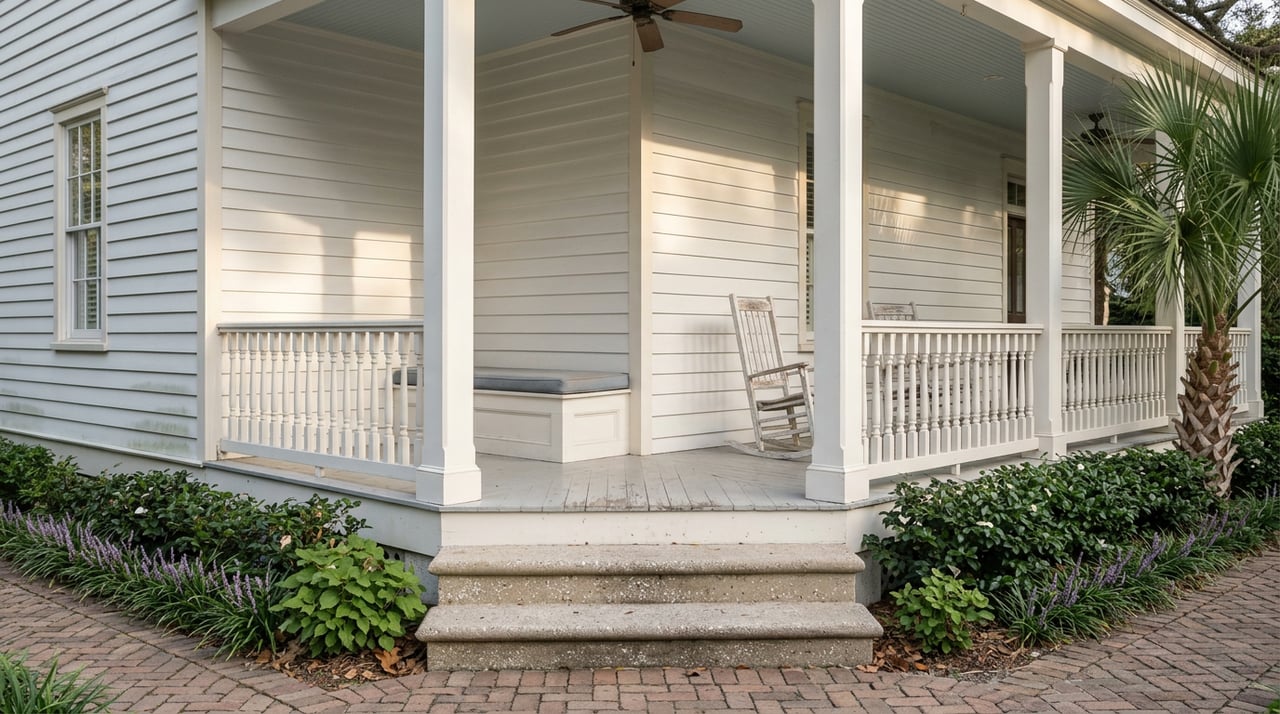
Porches are the star. Deep front or wraparound porches, sometimes called piazzas, create shade and everyday outdoor living. Roofs are usually medium pitch gable or hip, with standing seam metal a common and durable choice today. Expect periodic maintenance such as repainting and shingle replacement to keep wood elements healthy in salt air.
Raised coastal homes
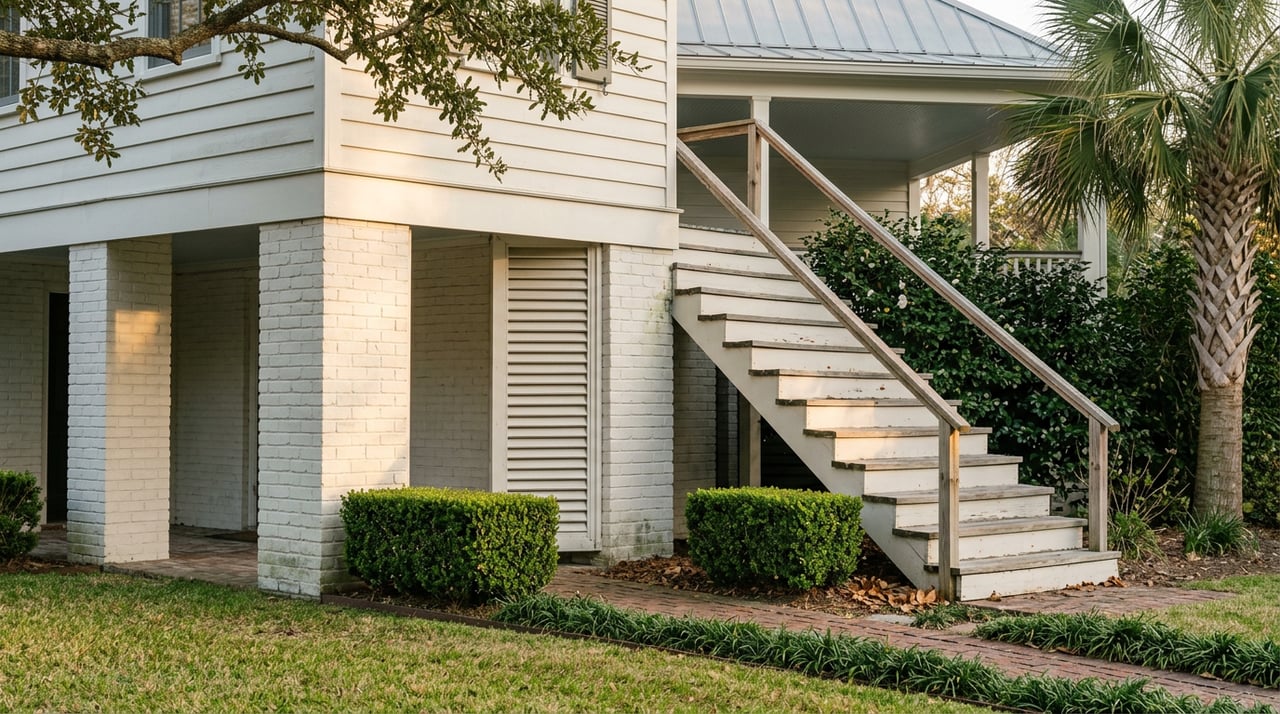
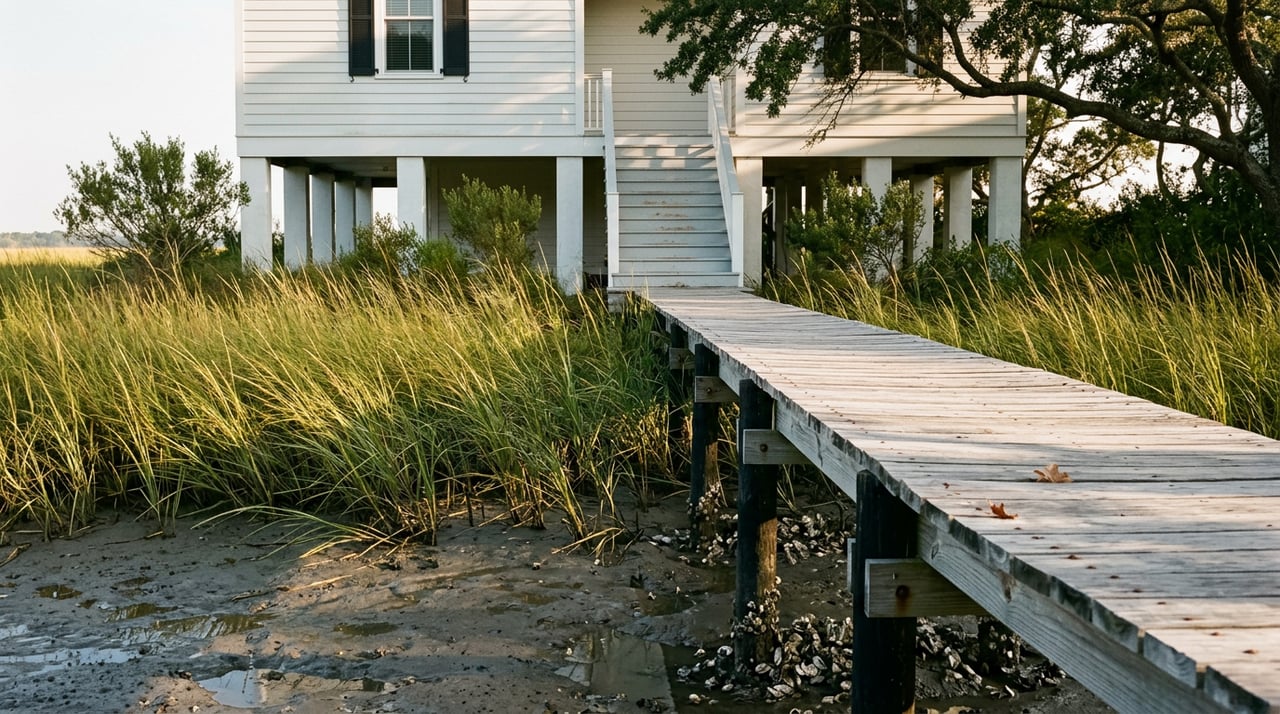
These two story living areas sit above an open or partially enclosed ground level used for parking and storage. Full height pilings lift the primary floor above the base flood elevation. You will see exterior stairways to the main level and utilities mounted high for protection.
Upper decks and recessed loggias maximize breezes and shelter. Broad eaves shield windows from driving rain, and impact rated glazing or shutters add storm security and insurance benefits. The open ground plane and breakaway elements help reduce forces during storm events.
Charleston influenced homes with piazzas
These homes borrow classical Lowcountry proportions with side porches on the long elevation. The piazza captures prevailing breezes and organizes the floor plan. Painted siding, historically scaled windows, and simple columns or square posts are common.
When a property has historic significance or sits in a designated area, exterior changes may go through town design review guided by nationally accepted preservation standards. The goal is to retain character defining features while allowing sensitive upgrades that respect the original design.
Shingle style and transitional cottages
Early twentieth century shingle cottages feel relaxed and textured, with cedar shingles wrapping walls and sometimes roofs. Rooflines can be complex, with dormers, brackets, or exposed rafter tails.
This style suits the island’s casual rhythm but asks for attentive care. Shingles age gracefully when detailed and maintained well, including proper flashing, ventilation, and periodic replacement in high exposure zones.
Contemporary elevated coastal
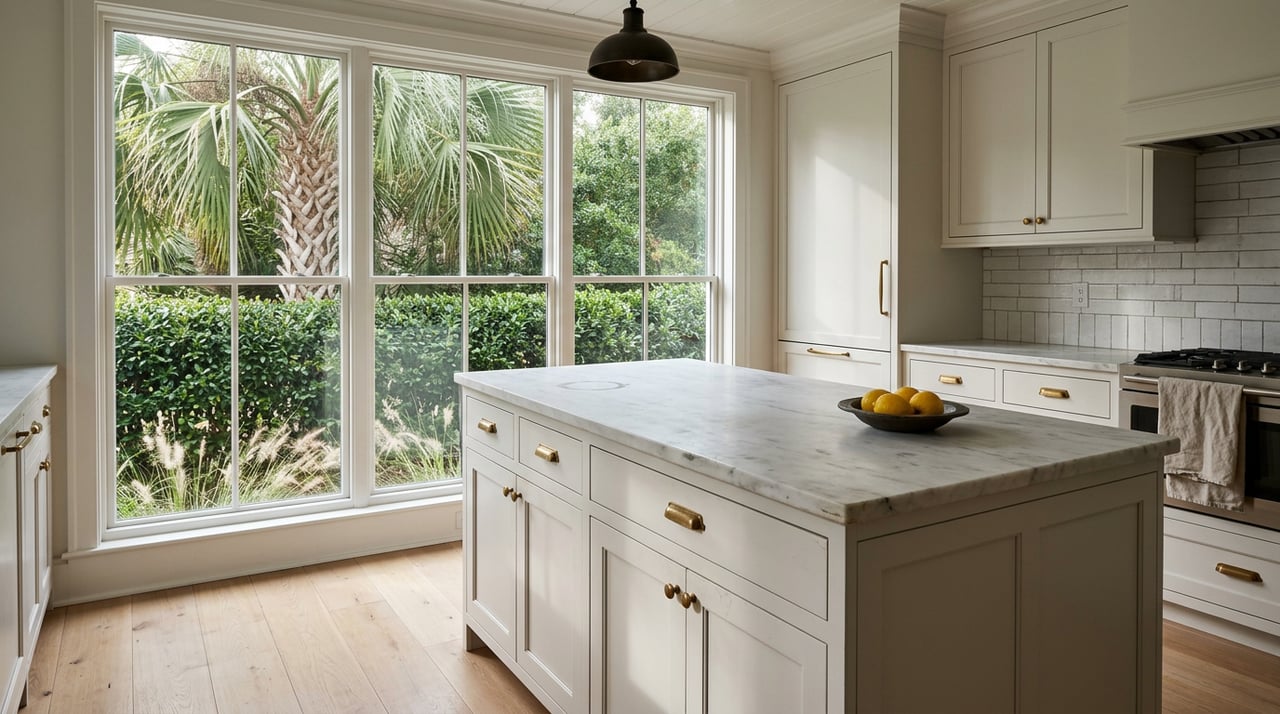
Modern island homes lean into clean lines, large openings, and indoor outdoor flow. You will notice engineered pile systems, cantilevered decks, and generous glass that frames water and sky. Covered loggias, recessed terraces, and sliding walls make outdoor rooms a core part of daily life.
Durable materials are the rule: fiber cement siding, composite decking, aluminum or galvanized trim, high performance glazing, and stainless fasteners. Designs often integrate water management, thermal performance, and storm resistance without sacrificing a refined aesthetic.
Materials that last in salt and sun
Choosing the right materials on Sullivan’s Island is part beauty, part performance. A smart palette can reduce maintenance and support resale value.
- Siding
- Wood clapboard or cedar shingles offer authentic character but need regular painting or staining and careful detailing to prevent rot.
- Fiber cement delivers a traditional look with lower maintenance and strong resistance to moisture and insects.
- Composite or engineered trim and decking hold up well on porches and stairs.
- Roofing
- Standing seam metal is prized for durability, wind performance, and a coastal profile. Specify rust resistant fasteners and proper underlayment.
- Architectural asphalt shingles can be economical, though service life is often shorter in salty, high UV conditions.
- Fasteners and hardware
- Stainless steel or hot dip galvanized fasteners help prevent corrosion and staining. This single choice protects decks, railings, and siding.
- Windows and doors
- Impact rated glazing or certified storm shutters are common requirements and smart upgrades. Aluminum clad or fiberglass windows tend to outlast fully wood assemblies in this climate.
- Porches and loggias
- Deep porches, recessed loggias, and thoughtful orientation reduce heat gain and extend living space. Consider composite or rot resistant porch floors for longevity.
- Mechanicals and utilities
- Position HVAC and electrical above flood elevation on platforms or upper levels. Tidy routing and protected chases simplify maintenance and can help with approvals.
Siting and outdoor living
Orientation matters. Position major porches and openings to catch prevailing sea breezes and temper sun exposure. Broad overhangs and shaded outdoor rooms reduce cooling needs and protect finishes.
Use the ground level of elevated homes for parking and storage to keep habitable space above potential flood. Limit impermeable surfaces to improve drainage after heavy rain. In the landscape, choose native, salt tolerant plants that stabilize dunes and require less upkeep over time.
Renovating with preservation in mind
If you plan a renovation or addition, start by understanding what makes your home special. Identify the porch proportions, window patterns, roof forms, and siding profiles that define its character. These are the elements reviewers and future buyers want to see respected.
- Begin with a regulatory review
- Confirm local design review requirements, historic status, and flood map constraints before you start drawings. Some projects will need a permit and formal design approval.
- Retain character defining features
- Keep original porches, rooflines, and window rhythms when feasible. When replacement is necessary, match profiles and proportions so the spirit of the home remains intact.
- Choose compatible, durable materials
- Consider fiber cement shaped to match historic clapboard or aluminum clad windows with traditional sightlines. The look stays true while maintenance drops.
- Integrate resilience upgrades discreetly
- Elevate living spaces if required, carry porch details up to the new level, and install impact glazing sized to original openings. Lift mechanicals above flood and protect critical systems.
- Document before you begin
- Photographs, measured drawings, and a materials inventory support approvals, guide construction, and help with future resale.
Permits, flood, and insurance essentials
Sullivan’s Island uses planning, zoning, and design review to protect community character and safety. Many exterior projects require permits and may require Design Review Board approval. Properties in a designated district or with historic significance often follow nationally recognized rehabilitation standards during review.
Floodplain rules influence elevation and structure in coastal high hazard zones. FEMA flood maps and local codes determine minimum heights, open foundations, and breakaway wall allowances. Elevation certificates, flood vents, and engineered pile foundations may be part of the permit package.
Beachfront and dune protections limit where and how you can build or remove vegetation. Setbacks, dune line protection, and native planting are common requirements. Insurance and financing reflect these realities, too. Elevation, materials, and mitigation measures can affect flood insurance costs and lender requirements.
Buyer and seller quick tips
- For buyers
- Prioritize elevation above base flood and a resilient foundation system.
- Look for impact rated windows or storm shutters, a metal roof in good condition, and stainless or galvanized fasteners on decks and rails.
- Evaluate porch depth, orientation, and overhangs for comfort and energy savings.
- Ask for maintenance records and a clear plan for siding, paint, and roof cycles.
- For sellers
- Gather permits, design review approvals, and any elevation certificates.
- Document mitigation improvements such as raised utilities or flood vents.
- Highlight outdoor rooms, piazzas, and high quality materials in your marketing.
- Be ready to disclose prior flood events and any related repairs or upgrades.
The bottom line
On Sullivan’s Island, architecture is a blend of Lowcountry tradition and coastal performance. When you understand the styles, materials, and approvals that matter here, you protect value and enjoy a home that fits the setting. If you are weighing a purchase, planning a renovation, or preparing to sell, you can move with clarity and confidence.
If you want tailored guidance on a specific property or project, connect with Robertson Allen to schedule a private market consultation.
FAQs
Do I need a permit to rebuild a porch on Sullivan’s Island?
- Yes. Most exterior changes need a permit and may require design review approval. Work near dunes or in designated zones can trigger additional steps.
How important is elevation when buying on Sullivan’s Island?
- Very important. Elevation influences safety, code compliance, flood insurance costs, and long term resale. Local rules and FEMA maps define minimum heights.
Which exterior materials hold up best in the island climate?
- Durable options include standing seam metal roofs, fiber cement siding with quality trim, impact rated glazing, and stainless steel fasteners for coastal exposure.
Will a historic designation restrict my renovation plans?
- It can. Designation often requires review of exterior changes to protect character defining features, while still allowing sensitive upgrades and resilience improvements.
What should I disclose when selling a home on Sullivan’s Island?
- Standard disclosures plus any prior flood damage, elevation certificates, permits and design approvals, and mitigation measures like flood vents or raised utilities.