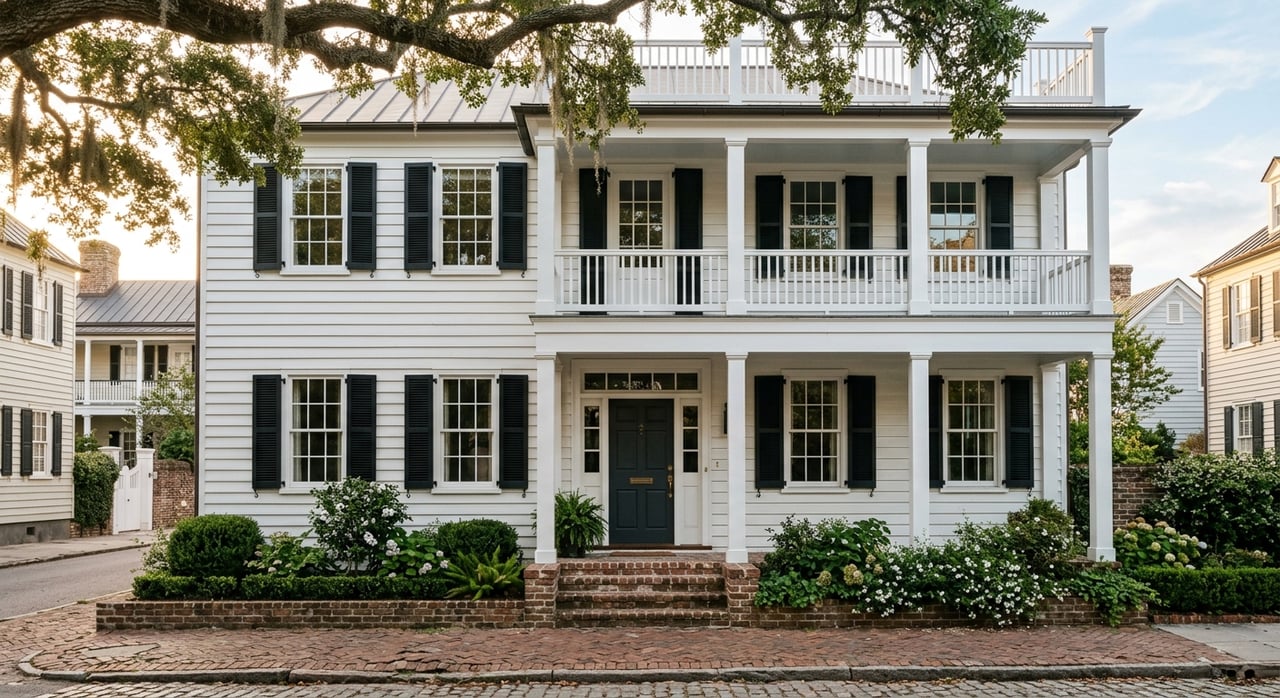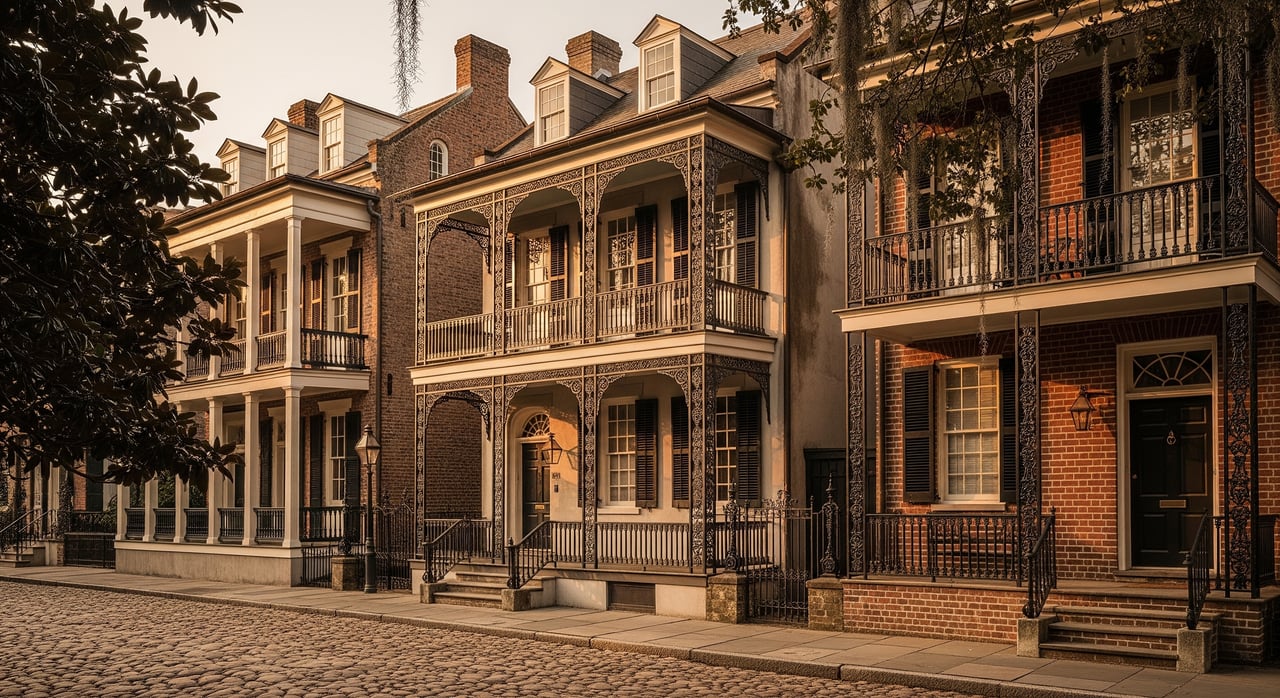
What truly keeps Charleston’s peninsula so distinctive, and why do some homes here hold their value in a way that feels almost timeless? If you have admired the intact streetscapes and authentic materials, you have already seen preservation at work. Understanding how historic rules shape inventory, pricing, and renovation potential will help you buy or own with confidence. This guide breaks down the local framework, the market effects, and the practical steps to turn preservation into an advantage. Let’s dive in.
Preservation on the peninsula basics
The Charleston peninsula includes multiple local historic overlays where exterior changes visible from public streets are reviewed. The City of Charleston manages this through its Board of Architectural Review, often called the BAR. Federal or state historic designations can add layers for certain projects, but they do not replace local controls.
In most cases you need a Certificate of Appropriateness, called a COA, before you can get building permits for exterior work. The review focuses on what the public can see and aims to keep the streetscape compatible and authentic. That continuity is a key part of the peninsula’s value story.
Who enforces and how
- City of Charleston Planning Department and the BAR apply design guidelines, hold hearings, and issue COAs.
- Charleston County offices manage property valuation and building permits, which often follow COA approval.
- The South Carolina State Historic Preservation Office reviews state or federal tax credit projects.
- Preservation nonprofits provide research, advocacy, and guidance that help set expectations and best practices.
What work triggers review
Exterior work that is visible from a public right of way usually requires a COA. Common items include additions, new construction, demolitions, rooflines, porches, siding, windows and doors, fencing, some paint colors, and the placement of mechanical systems. Staff can approve minor or like-for-like items, while major work goes to a BAR hearing.
Demolition controls
Demolition rules are strict. Full demolition or removal normally requires public hearings. Approvals are uncommon without a clear public safety or economic hardship case. Owners are often encouraged to consider alternatives that preserve the structure.
Documents to review first
- BAR district maps and parcel overlays for the exact boundaries
- City design guidelines and COA procedures
- BAR meeting calendars and application checklists for timing and submittal needs
- State guidance if you plan to pursue historic tax credits for income-producing projects
How rules shape the market
Preservation does more than protect beauty. It meaningfully changes supply, demand, and pricing on the peninsula. The result is a market where scarcity and predictability often support premium values.
Inventory is structurally tight
- Geographic scarcity limits new sites. The peninsula is a built, finite island.
- Regulatory scarcity limits tear-downs and higher-density replacements because of strict demolition rules and design review.
- Turnover stays lower since fewer properties are replaced or heavily expanded, especially among conforming historic single-family homes and townhouses.
Demand drivers in historic districts
- Many buyers seek authentic fabric, walkability, and a preserved streetscape. Design review protects those qualities.
- Investors and second-home buyers view designated areas as stable because the character that attracts demand is legally protected.
- Tourism and the peninsula’s strong amenity base add to the buyer pool for well-situated homes.
Prices and appreciation
- When supply is constrained and demand is steady or rising, a scarcity premium often emerges.
- Preservation adds value through predictability of context. You are far less likely to see incompatible development next door.
- Research on historic districts generally finds a positive price effect, with premiums commonly reported in many markets. Results vary by city and time period, but strong, well-enforced districts tend to perform well.
Tradeoffs and limits
- Rules limit big vertical additions, large massing changes, or major density increases that could otherwise boost value.
- Some buyers will pay for original fabric and protected context, while others may discount a property for higher repair costs or renovation limits.
Liquidity and resale signals
- Low inventory can shorten time on market for desirable, well-maintained homes.
- A documented COA history and sensitive, permitted upgrades increase buyer confidence and can help a property trade more readily.
- Highly idiosyncratic homes with limited paths to modern systems or required parking may appeal to a narrower pool.
Renovations, costs, and approvals
Owning in a historic district rewards a thoughtful plan. Expect extra time for approvals, higher-quality materials, and the need for experienced professionals.
COA and timeline expectations
You typically must secure a COA before pulling building permits for exterior work visible from the street. Submittals include drawings, materials, photos, and site plans. Simple repairs may receive staff-level approval in several weeks. Larger projects that require a hearing can take months, which often includes design refinements and meeting schedules.
Pre-application conversations with BAR staff help refine scope and reduce redesign risk. Teams that include architects who understand the BAR process tend to move faster and with fewer setbacks.
Cost realities for historic work
- Materials and methods: Historically appropriate windows, siding, roofing, and details can cost more than standard modern replacements.
- Skilled trades: Craftsmen familiar with lime-based mortar, true window repair, and period details are in demand, which raises labor costs and can lengthen schedules.
- Design and documentation: BAR-quality drawings, photographs, and project management add soft costs that you should budget early.
Financing and approvals
Lenders often want clarity on approval timing for renovation loans. Some products require confirmed permitting or COA status before funding. If you plan to use historic tax credits for an income-producing project, expect lenders to ask for state and federal preliminary approvals since credit timing affects cash flow.
Insurance, flood, and resilience
The peninsula is low-lying and faces tidal flooding, storm surge, and increasing nuisance flooding over time. Flood insurance can be a meaningful ongoing cost and may be required by your lender. Historic homes can have higher replacement costs or limits for moisture or structural events, especially when authentic materials are needed. Long-term sea-level exposure can add resilience expenses, such as elevating utilities or using flood-resistant finishes below the Base Flood Elevation.
Tax credits and incentives
- Federal Historic Rehabilitation Tax Credit: A 20 percent credit is available for certified rehabilitation of income-producing historic buildings that meet federal standards.
- State incentives can apply and may change. Confirm current programs and eligibility with the South Carolina State Historic Preservation Office and your tax professional.
- Owner-occupied single-family residences are typically not eligible for the federal rehabilitation credit.
- Local grants or low-interest programs for façade or preservation work may be available through nonprofits or city channels. Verify current offerings before you budget.
Smart strategies for buyers and owners
With the right plan, you can convert constraints into lasting advantages that enhance livability and long-term value.
Due diligence checklist
- Confirm whether the parcel sits in a local historic overlay that triggers COA requirements.
- Request the COA history to see what was approved and when.
- Review permit, inspection, and maintenance records to spot prior work that may need correction.
- Assess flood zone, elevation certificate if available, prior claims, and long-range risk from city planning documents.
- Verify zoning and permitted uses, especially for conversions.
- Ask for a pre-application call with BAR staff or use contingencies that allow time to confirm feasibility for planned changes.
Renovation checklist
- Hire an architect or designer with Charleston BAR experience and engage staff early.
- Budget for higher materials and labor, plus time for review cycles, and include a redesign contingency.
- Document existing conditions thoroughly. Prioritize repair over replacement where possible.
- For larger or income-producing projects, explore tax credit eligibility early and coordinate with state reviewers.
- Obtain an elevation certificate if your flood profile or compliance needs require it.
Turn rules into an advantage
- Highlight documented authenticity and COA-approved improvements when marketing. Buyers respond to proof.
- Focus on small, sympathetic upgrades to systems, kitchens, and baths that preserve character while elevating livability.
- Invest in discreet resilience measures, such as elevating utilities and using flood-resistant materials where appropriate, and document the work to reassure future buyers and insurers.
Common pitfalls to avoid
- Buying homes with undocumented replacements that are not historically compatible, such as vinyl units installed as look-alikes. You may be asked to correct them later.
- Assuming interior work never needs permits. Structural changes can trigger additional reviews.
- Underestimating the time required to secure a COA before permits or loan funding.
Bottom line for Charleston buyers and owners
Preservation on the Charleston peninsula is not just about rules. It is a system that protects context, limits supply, and often strengthens long-term value. If you plan with the process in mind, assemble the right team, and document improvements, you can enjoy a home that performs well as both a place to live and a resilient asset. For tailored guidance on pricing, renovation strategy, and how to position your property for a premium result, connect with Robertson Allen.
FAQs
What is the BAR and why does it matter?
- The City’s Board of Architectural Review applies design guidelines and issues COAs for visible exterior work, which preserves streetscape quality and supports long-term value.
Which projects on the Charleston peninsula need a COA?
- Most exterior changes visible from public streets, including additions, new construction, demolitions, windows, doors, roofs, porches, fencing, and sometimes paint colors.
How long does BAR approval usually take?
- Simple, like-for-like repairs may receive staff approval in several weeks, while major projects that require a hearing often take months including design revisions.
How do preservation rules affect home prices?
- By limiting supply and protecting context, preservation often supports a scarcity premium and steadier appreciation compared with similar nonhistoric areas, though results vary.
Can I get tax credits for a historic home renovation?
- A 20 percent federal credit can apply to certified rehabilitation of income-producing historic buildings. Owner-occupied single-family homes typically do not qualify.
What flood and insurance issues should I expect?
- The peninsula is low-lying, so flood coverage, higher replacement costs, and resilience work can add to ownership expenses and should be evaluated during due diligence.