Is it time to pass a storied Charleston home to its next steward without a splashy debut? If you are a legacy owner or trustee, you likely want privacy while protecting the home’s character and value. You also need a plan that anticipates preservation rules, documentation, and quiet marketing. This guide gives you a practical, Charleston‑specific roadmap to prepare, price, and position a historic home for a discreet sale with confidence. Let’s dive in.
Know the Charleston preservation framework
Charleston’s Board of Architectural Review (BAR) oversees exterior work visible from the street, and many historic‑district changes require a Certificate of Appropriateness. Before planning any visible repairs or alterations, review the city’s BAR guidelines for historic properties and confirm whether your scope triggers a BAR submittal.
If your home has or may receive a preservation easement, understand the restrictions and stewardship expectations. The Historic Charleston Foundation provides resources and holds easements that can include exterior and some interior protections. Review HCF’s overview of preservation easements and collect any easement documents for your files.
Tax incentives can be meaningful when planned well. Owner‑occupied residences do not qualify for the federal 20 percent Historic Rehabilitation Tax Credit, but South Carolina offers a homeowner credit of up to 25 percent for qualified rehabilitation work. State applications must be filed before work begins. Start with the National Park Service’s treatment standards for rehabilitation and the South Carolina Department of Archives and History’s homeowner credit guidance.
Resilience and flood requirements are part of the local reality. Elevations, placement of mechanicals, and flood‑proofing expectations can affect insurance, retrofit choices, and buyer confidence. Review Charleston County’s flood plain guidance before moving systems, finishing ground‑level areas, or estimating insurance costs.
Seller disclosures are not optional. South Carolina requires a Residential Property Condition Disclosure Statement for most one‑to‑four family homes, and you must update it if new material facts arise before closing. See the state’s property disclosure law here. Trustees and personal representatives should also confirm authority and any court steps under probate rules, which you can review in the South Carolina probate code.
Build a discreet seller packet
Organize a tight, professional packet before you speak with an agent. It reduces surprises and reassures serious buyers.
- Deed and chain of title, including any recorded covenants and preservation or utility easements.
- Property tax card, assessment history, recent tax bills, and any special assessments or appeals.
- Survey or plat. If none exists or boundaries are unclear, order a current survey.
- Permit and approval history, including BAR Certificates of Appropriateness, variances, and recent building permits.
- Restoration and maintenance records with dates, invoices, contractor info, photos, and any paint or mortar analyses.
- Historic documentation such as previous appraisals and any historic district or National Register listings.
- Mechanical and systems history: HVAC service, electrical panel upgrades, plumbing, roof reports, and any structural or termite inspections.
- Title documents: endorsements, liens, and any litigation or probate filings. Trustees should include documents that show authority to sell.
- For potential tax credits: pre‑application correspondence with the State Historic Preservation Office. Remember, state applications are due before work begins.
Prioritize preservation‑first repairs
Start with safety, structure, and systems. Roof leaks, structural issues, termite or rot damage, and outdated electrical panels can derail offers. Address those first, and keep clear documentation of every repair.
Plan for smart flood and weather resilience. Where practical, elevate HVAC units, laundry appliances, and electrical panels above anticipated flood elevations and consider backflow prevention. Confirm what local rules require using the county’s flood plain guidance.
Protect the historic envelope. Repair original windows, trim, and doors whenever possible rather than replacing them. If replacement is unavoidable, match the original profile and coordinate with BAR staff early to avoid delays. The city’s BAR guidelines and the National Park Service’s rehabilitation standards both emphasize repair and in‑kind replacement.
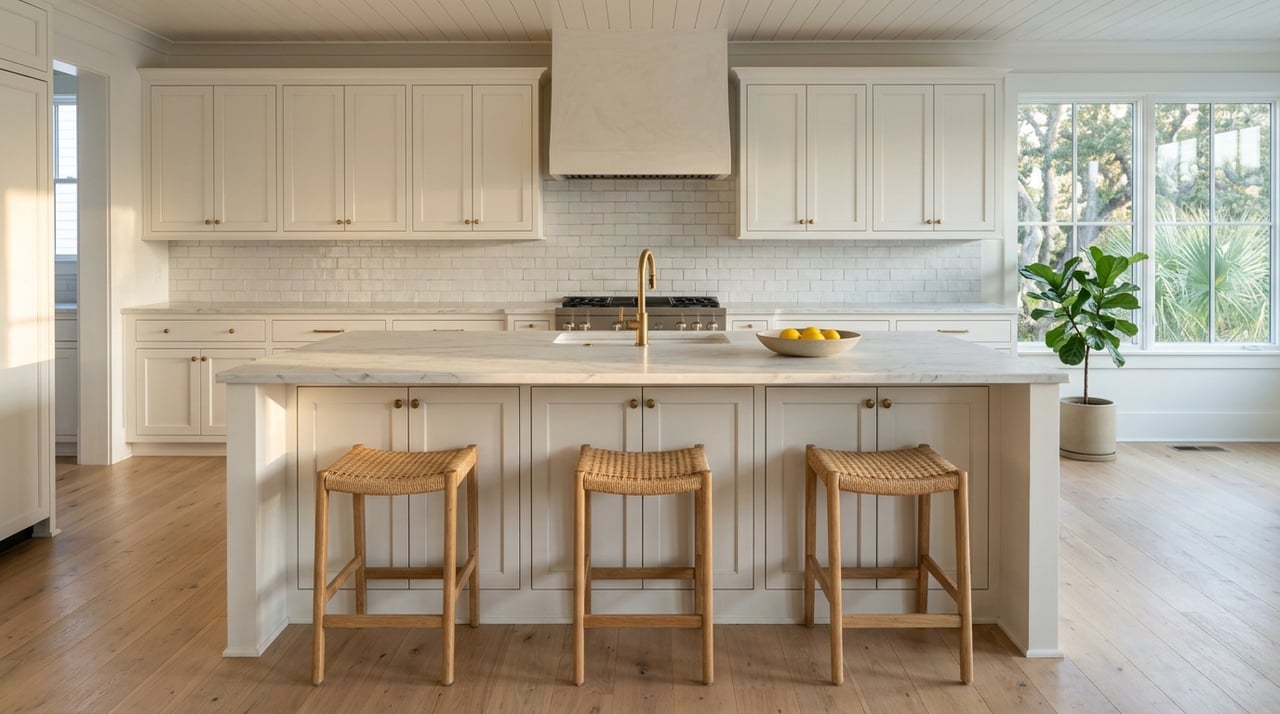
Modernize with a light touch. Kitchens and baths can be updated in ways that respect historic fabric. Think panel‑front cabinetry, sympathetic tile, and discreet mechanical and wiring routes. Preserve character‑defining rooms and millwork. Buyers of historic homes often value intact original features more than trend‑driven remodels.
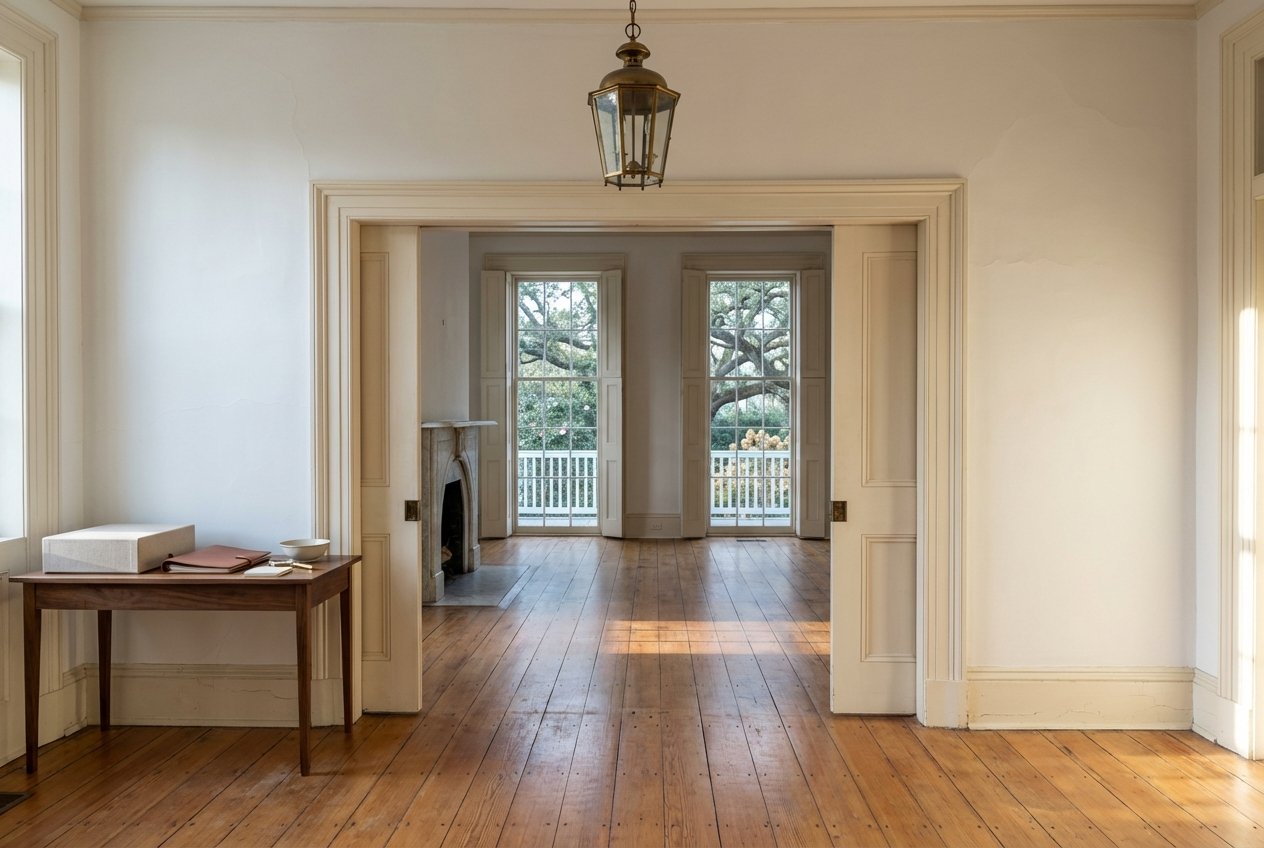
Stage for clarity and provenance. Professional cleaning, polished floors, appropriate paint, and restrained landscaping go a long way. Consider a short property narrative that highlights documented history and restoration milestones for private showings.
Set a quiet marketing plan that follows the rules
Private marketing is possible, but it must honor MLS policy. NAR’s Clear Cooperation policy generally requires MLS submission within one business day of public marketing. In 2025, NAR kept Clear Cooperation and introduced an option some MLSs may adopt to allow a documented, time‑limited delay in broad marketing. Review a summary of the policy and exceptions from a Realtor association here and recent industry coverage here. Your broker should explain local MLS rules and obtain your informed, written instructions.
Use targeted, private channels. Office‑exclusive distribution, invite‑only broker previews, curated broker lists, and direct outreach to vetted preservation‑minded buyers can protect confidentiality. The tradeoff is a narrower pool of prospects. Decide how much competition you need to achieve your goals.
Vetting and confidentiality tools help. Require proof of funds or lender pre‑approval before showings. For highly sensitive situations, your counsel can provide a simple confidentiality agreement for buyer prospects. Be clear that lenders and title companies will need complete information once you move to contract.
Curate photography for privacy. Use a trusted photographer who understands privacy and historic detail. Feature exteriors, architectural elements, and a few selective interiors while avoiding valuables and family identifiers. For additional context without oversharing, twilight, landscape, or aerials can be effective. For broader tips on staging historic homes for marketing, see this industry overview from Inman here.
Control showings and records. Hold showings by appointment only, keep a log of attendees, and set written rules for agent and buyer photography or video during visits.
Remember what confidentiality cannot avoid. Title work, appraisals, inspections, loan files, and closing statements will reveal key facts. Planning a clean transition from private offer to formal contract helps you manage that moment with minimal exposure.
Price, appraise, and close with confidence
Historic properties are not cookie‑cutter. A pre‑listing appraisal by someone experienced with Charleston historic homes can help you defend value, especially for trusts or estates.
Expect a tradeoff between privacy and price discovery. Fully private campaigns may favor speed and discretion, while full MLS exposure generally maximizes competition. Industry coverage confirms the rules are evolving, so you and your broker should document decisions that prioritize privacy while keeping value in view.
30‑day discreet sale prep checklist
Use this as a working plan you can complete in four to six weeks.
- Confirm authority to sell by reviewing the trust or will with counsel and identifying any court notice or approval steps under the probate code.
- Gather core documents: deed, survey, tax records, permits and COAs, easements, contractor invoices, and any SHPO or tax‑credit correspondence.
- Consult a preservation architect or advisor if work may trigger BAR review or qualify for credits, and contact SHPO before any physical work if you plan to pursue the state homeowner credit.
- Complete essential safety and systems fixes, address termite and moisture issues, and take basic flood‑risk steps. Document all work with photos and invoices.
- Confirm whether planned visible changes need a BAR submission using the city’s BAR guidelines. Submit early to avoid delays.
- Decide with counsel and your broker whether to launch off‑market or prepare for MLS. Confirm how Clear Cooperation applies locally using this policy overview and document your instructions.
- Set your vetting protocol, prepare confidentiality language if advised by counsel, and book a photographer who understands privacy and historic details.
- Begin quiet outreach to vetted buyers and be ready to pivot to wider exposure if market response or MLS timelines suggest a broader launch will optimize value.
Why work with a preservation‑minded, discreet broker
You deserve a partner who blends deep local stewardship with modern reach. A seasoned Charleston broker who understands BAR, SHPO, and easement dynamics can help you prioritize the right repairs, position provenance, and keep your sale controlled while still attracting qualified buyers. The best outcomes happen when preservation expertise, cinematic marketing, and disciplined buyer vetting work together.
If you are ready to discuss a private strategy for your historic Charleston home, connect with Robertson Allen. Schedule a private market consultation.
FAQs
What does the Charleston BAR typically review for historic homes?
- The Board of Architectural Review evaluates exterior work visible from public streets, plus certain demolitions and new construction. Many visible changes require a Certificate of Appropriateness under the city’s BAR guidelines.
Do South Carolina tax credits apply to owner‑occupied historic homes?
- Yes, the state offers a homeowner credit up to 25 percent for qualified rehabilitation, but you must apply to the State Historic Preservation Office before work begins. Start with the homeowner credit guidance.
What seller disclosures are required for a discreet sale in South Carolina?
- Most one‑to‑four family homes require a Residential Property Condition Disclosure Statement, and you must update it if new material facts arise. Review the state’s disclosure law and coordinate with your attorney and broker.
How do MLS Clear Cooperation rules affect off‑market sales?
- Public marketing usually triggers an MLS submission within one business day, though some MLSs may allow a documented, time‑limited marketing delay. Confirm specifics with your broker and review this policy overview.
How should I handle flood and resilience issues before listing?
- Elevate or relocate mechanicals where practical, address moisture and drainage, and understand local elevation requirements and insurance impacts using the county’s flood plain guidance.