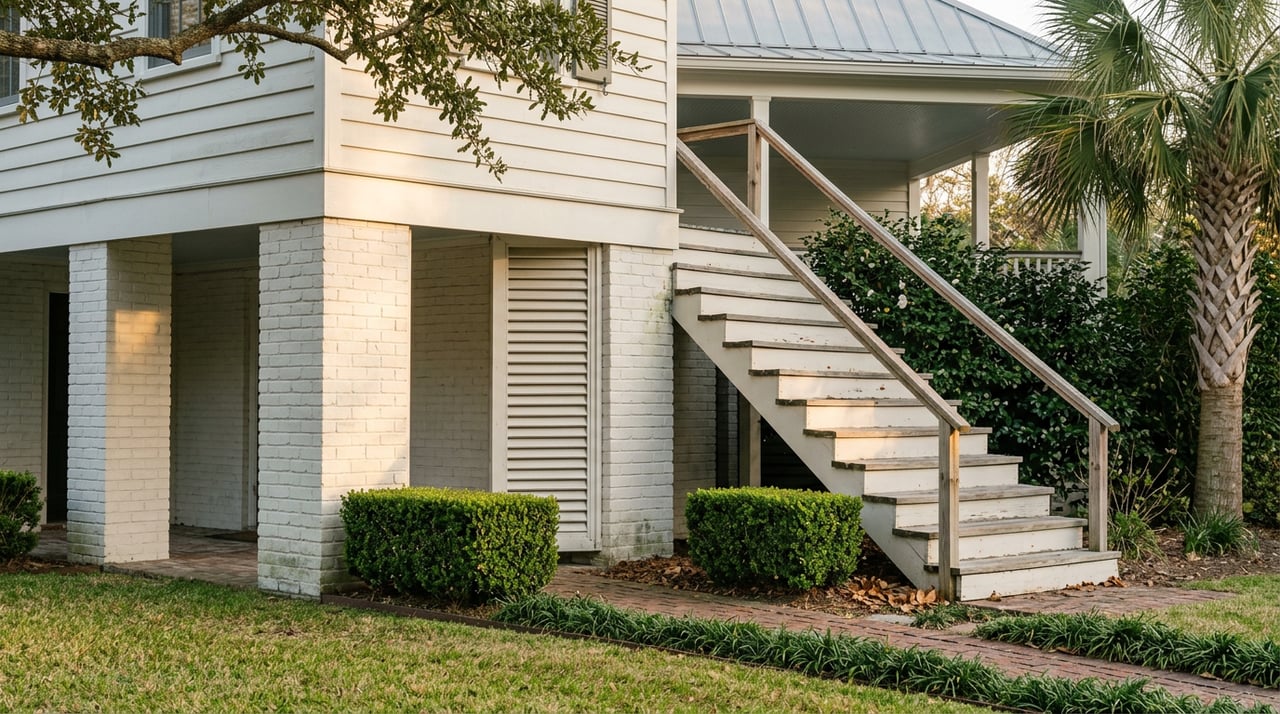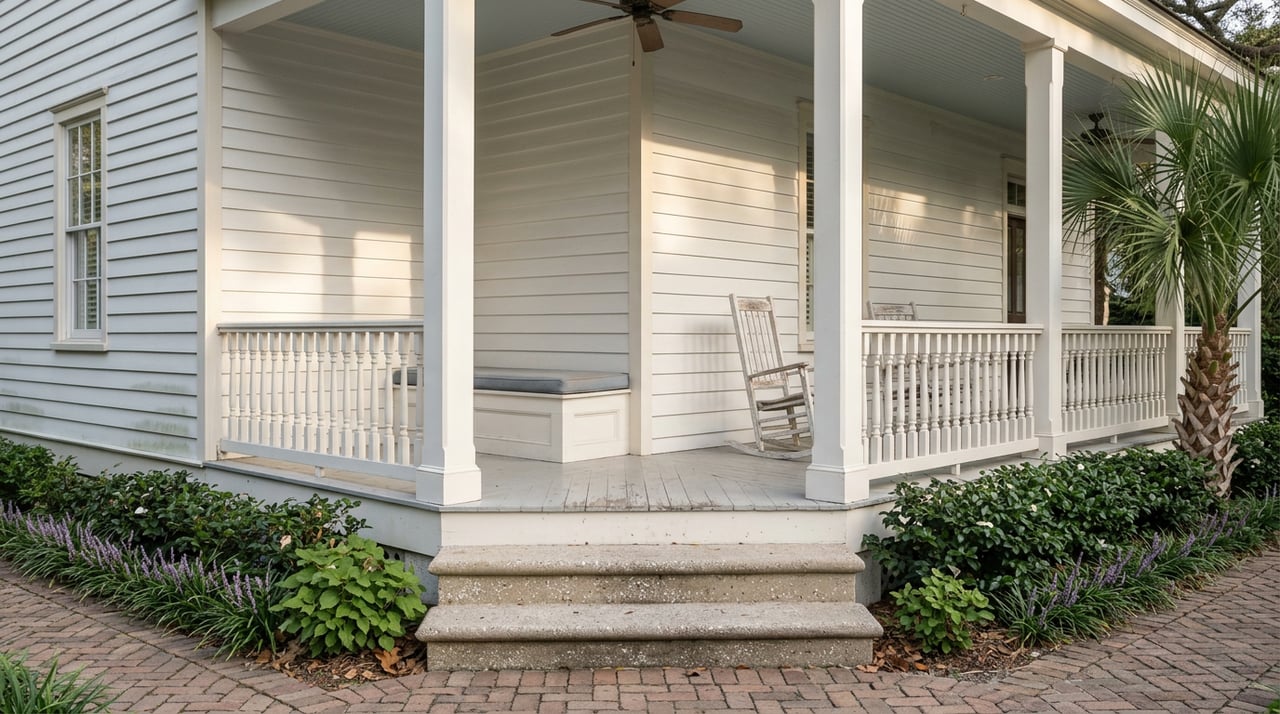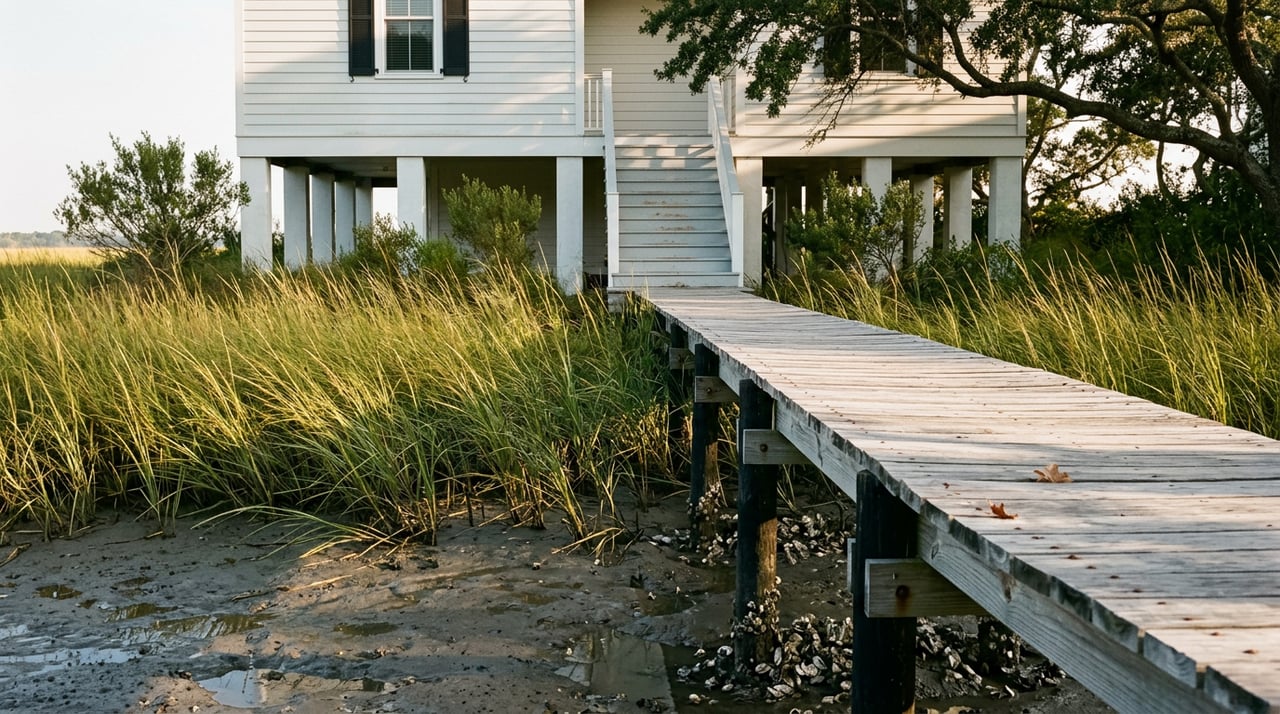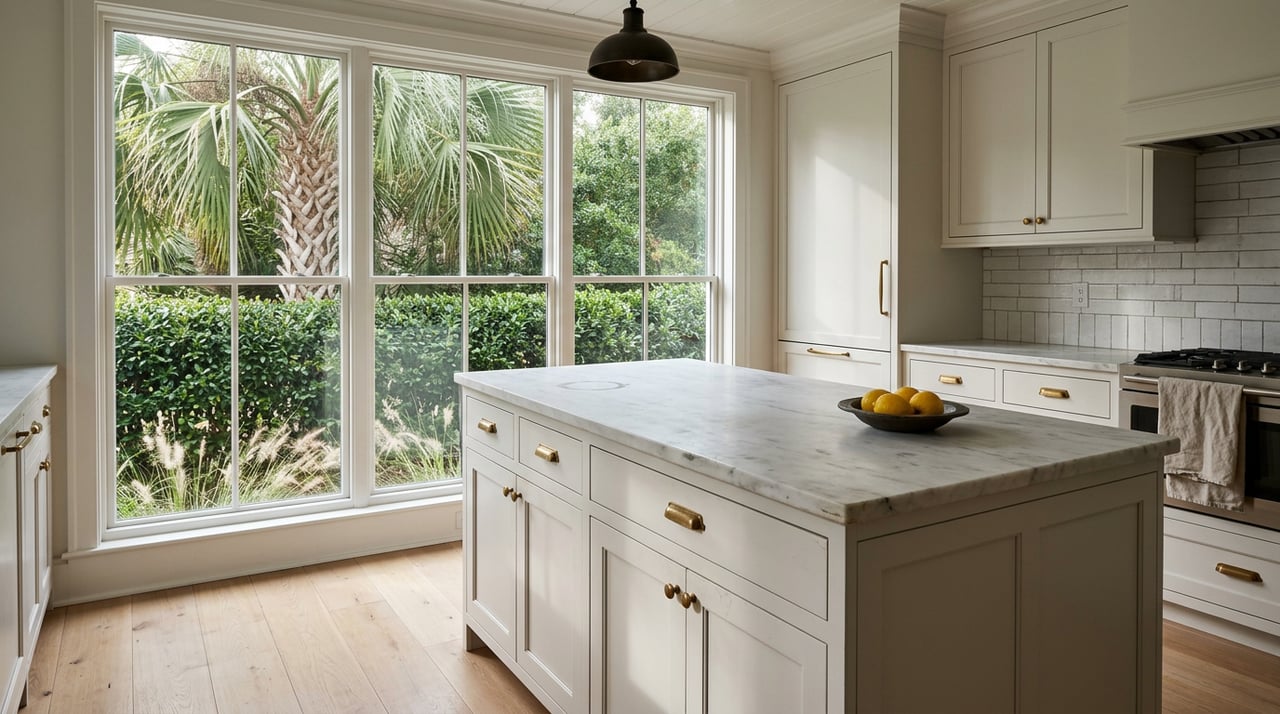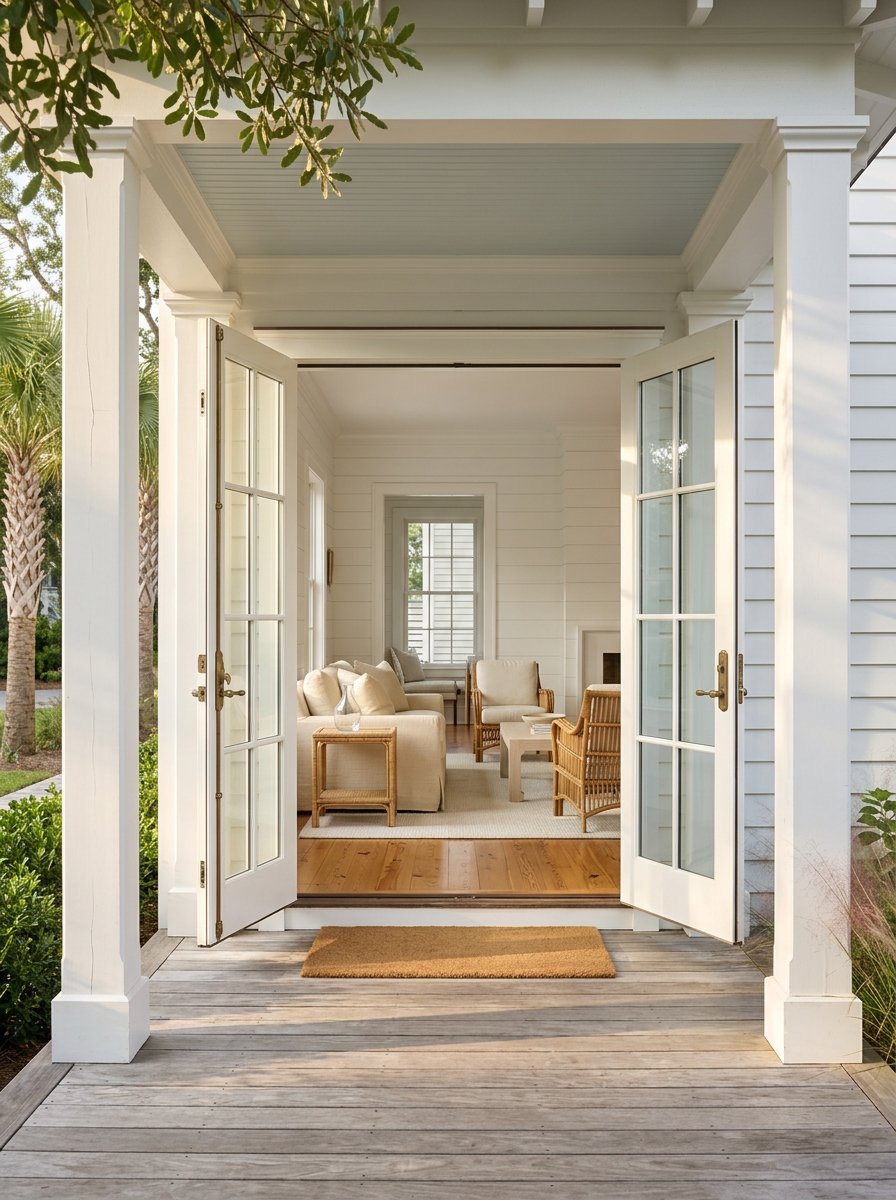
What turns a charming Sullivan’s Island cottage into a true trophy listing? It is not only ocean air and a pretty porch. The sellers who achieve premium results pair an authentic island story with hard facts that reduce risk for selective buyers. In this guide, you’ll get a clear plan to elevate your cottage, reach the right audience, and negotiate with confidence. Let’s dive in.
Sullivan’s Island market, at a glance
Sullivan’s Island sits in the top tier of the Charleston market, with multi‑million‑dollar sales and very limited single‑family inventory. Month‑to‑month numbers can swing because only a handful of homes trade at any time. The key is to read price alongside active inventory, recent trophy comps, and days on market for similar $3M+ properties. Local MLS data and concise market overviews help you frame pricing and timing. For a quick snapshot, review current regional trends and island‑level summaries in resources like the Charleston reports on Rocket’s market updates.
A trophy listing strategy on the island hinges on three truths: rarity, readiness, and reach. Rarity means your cottage’s architecture, location, and provenance stand out. Readiness means major systems and risk questions are buttoned up. Reach means national and sometimes international exposure to affluent second‑home buyers, lifestyle relocators, and family offices that prize legacy coastal holdings.
Who the trophy buyer is
- Second‑home and lifestyle buyers seeking immediate beach access with Charleston’s culture close by.
- Affluent relocators from major metro corridors who value quality of life and Lowcountry pace.
- Selective investors or family offices that buy coastal trophies as long‑term legacy holdings.
These buyers are decisive when a home reads as turnkey, authentic, and well documented. They respond to editorial‑grade visuals and clear technical data that answer insurance, elevation, and permitting questions up front.
Value drivers to address early
Flood and insurance clarity
Sullivan’s Island includes FEMA VE and AE zones, so buyers will ask about elevation, mitigation, and insurance. Pull your parcel’s designation and base flood information from the town’s flood zone resources. Under FEMA’s Risk Rating 2.0, premiums consider property‑specific factors like first‑floor height, distance to water, and structure details. Share a recent quote or renewal and note any mitigation, since these inputs can materially affect buyer confidence. For context on how rates are calculated, reference FEMA’s Risk Rating 2.0 guide.
What to include in your packet: an elevation certificate or summary, recent NFIP or private quotes, and a short list of mitigation features like impact‑rated openings, elevated mechanicals, and a standby generator. Concise facts reduce friction and speed qualified offers.
Historic and design review
The Town’s Design Review Board oversees many visible exterior changes. If you plan porch work, major façade updates, or changes to rooflines, bake review and permits into your schedule. Review the municipal code for DRB triggers and processes in the town’s design review reference, and consult the historic district design guidelines before committing to any exterior scope. Proper approvals preserve value and reassure discerning buyers.
Shoreline rules and improvements
South Carolina’s beachfront regulations govern where erosion control or shoreline structures are allowed and how seaward work is permitted. If you reference seawalls, revetments, or dune work in marketing, confirm permitting status and condition. See statutory context in the state’s beachfront management code.
Pre‑list improvements that pay
Target the items that eliminate objections and elevate the story. Prioritize in this order:
- Major systems and permits. Address roof, HVAC, electrical, plumbing, and any moisture or rot remediation. Gather valid permits and certificates for prior work. Trophy‑tier buyers pay premiums for turn‑key reliability.
- Resilience and risk‑reduction features. Document elevated living areas, impact‑rated doors and windows or shutters, storm‑ready mechanicals, and a generator. Under Risk Rating 2.0, these details can influence flood insurance pricing and buyer comfort. See FEMA’s rate guide for why these inputs matter.
- Architectural preservation and selective restoration. Keep character elements intact and correct visible deferred maintenance. If your cottage has notable provenance, document it. Use the town’s historic guidelines to inform any exterior refresh.
- Kitchen and primary suite refresh. Opt for tasteful, high‑quality updates rather than disruptive gut renovations. National data indicates the living room, primary bedroom, and kitchen deliver the best return from staging and light refreshes. See the latest NAR profile of home staging for impact details.
- Outdoor living and privacy. Elevate porches and decks, simplify landscaping with low‑maintenance coastal plants, and consider screening that provides privacy without heavy upkeep. Indoor‑outdoor flow is a major value driver for island cottages.
Staging and media that sell
Staging helps buyers visualize living in the home, which influences both interest and offer strength. Industry survey data shows staged properties often realize a measurable uplift in offer values, with photos, video, and virtual tours ranked as important buyer inputs. Review the NAR staging report when setting your plan and budget.
Minimum media for a trophy‑caliber launch:
- Architectural photography. Hero exterior, twilight, and primary living spaces in high resolution.
- Aerial drone set. Lot orientation, beach proximity, approach, and neighborhood context.
- Cinematic film. A 90‑second to 3‑minute hero film plus 15–30 second social teasers.
- Measured floor plans and 3D walk‑through. Helpful for remote and international buyers.
- Editorial brochure and broker packet. Include a technical annex with elevation certificate, survey, permit history, utility info, and tax data.
Budget notes: professional staging commonly ranges from several thousand dollars to the mid‑tens of thousands depending on scope, as outlined in Bankrate’s cost overview. A high‑quality property film can range from several hundred dollars to several thousand depending on production level, as documented by industry providers like Clutch’s production marketplace. Obtain local quotes to right‑size spend to your price target.
Boutique marketing plan
Story first, specs second
Lead with a single‑sentence positioning line that captures heritage and proximity. For example, “A hand‑restored 1920s Sullivan’s Island cottage steps from the beach.” Support the story with lifestyle visuals, then back it up with a concise technical annex that includes elevation, insurance examples, permit history, and major system summaries. This combination creates emotional pull and reduces due‑diligence risk.
Distribution that reaches real buyers
- Core placement: the local MLS for the Charleston area with full asset syndication to major portals through MLS rules, plus your brokerage’s luxury channels. Coordinate timing so the MLS go‑live, press outreach, and social teasers hit together.
- Editorial and luxury network outreach: target national and international exposure for a brief, focused window to reach cash buyers and relocation prospects.
- Paid digital: run targeted social campaigns with short film cuts, programmatic display to high‑net‑worth cohorts, and retargeting to viewers who watched your film. Drive interested parties to a private microsite with the full film and downloadable brochure.
Work within the NAR Clear Cooperation policy when planning pre‑marketing and launch cadence.
Privacy, handled thoughtfully
Some sellers require discretion. Options include office‑exclusive marketing where permitted, broker‑to‑broker previews, and invitation‑only showings for pre‑qualified prospects. These approaches reduce broad exposure, so weigh the tradeoffs against your price goals and document your preferences while staying aligned to Clear Cooperation rules.
Budget and 90‑day timeline
Use these ranges to shape a working plan, then finalize with local quotes:
- Photography and aerials: often $500 to $2,000 depending on scope and crew.
- Cinematic film: roughly $500 to $5,000 for standard luxury shoots, higher for multi‑day production, as reflected by Clutch’s provider ranges.
- Staging: approximately $3,000 to $25,000+ based on inventory and duration, per Bankrate’s guide.
- Paid digital distribution: $2,000 to $20,000+ based on audience size and duration.
Suggested 30 to 90‑day cadence:
- Days 0–14: inspections, essential repairs, collect elevation and insurance documents, finalize staging plan.
- Days 14–21: produce photography, drone, twilight set, interior B‑roll, and the property film.
- Days 21–28: package assets, build the microsite and brochure, and assemble the broker packet.
- Day 28: coordinated launch across MLS, syndication, luxury channels, and targeted PR.
- Days 28–90: steady promotion, broker outreach, invitation‑only events, and periodic ad refreshes at day 30 and day 60. Adjust schedule if any exterior work needs design review per the town’s historic guidelines.
Pricing and negotiation
Price the story, not just the square footage
On Sullivan’s Island, trophy pricing blends hard comps with your cottage’s upgrades, provenance, and documented mitigation. Present buyers with a clear narrative: historic character preserved, major systems updated, risk mitigations in place, and an easy‑living coastal layout. Use a pre‑listing appraisal or broker analysis to set an asking price and define a structured plan for holds, concessions, and timing. Keep an eye on broader context through resources like Rocket’s market updates, then lean on island‑specific comps from your agent’s MLS analysis.
Exposure tradeoffs and timing
Off‑market exposure can protect privacy but often limits buyer competition. If you choose a quieter window, consider a brief, invitation‑only phase followed by a public launch to capture the competitive energy needed for trophy pricing. Any strategy that restricts marketing should be documented in writing and remain compliant with MLS Clear Cooperation.
Offer structure that lifts certainty
Once sufficient showings accrue, invite best offers within a defined window to create a focused, competitive environment. Seek strong earnest money, concise contingency timelines, and proof of funds. For relocation and international buyers, your agent should pre‑qualify and coordinate escrow logistics to keep momentum and protect your negotiating position.
What to prepare now
- Elevation certificate and a one‑page elevation summary.
- Recent NFIP or private flood quotes, plus any mitigation notes.
- Survey, title report, permit history, and any DRB approvals.
- Service records for roof, HVAC, electrical, plumbing, and warranties.
- Utility history and tax info for the past 12 months.
- A short provenance narrative and any historic documentation.
When your story and your documentation align, your cottage reads as rare and low risk. That is the combination that commands premium offers on Sullivan’s Island. If you want a tailored plan and a discreet path to market, connect with Robertson Allen to schedule a private market consultation.
FAQs
How does flood insurance affect a Sullivan’s Island trophy listing?
- Buyers will ask about zone, elevation, and recent premiums. Provide an elevation certificate, recent NFIP or private quotes, and note mitigation features. FEMA’s Risk Rating 2.0 ties pricing to property‑specific factors, so clarity reduces uncertainty and strengthens offers.
What approvals are needed for exterior updates before listing?
- Many visible changes require Design Review Board oversight. Review the town’s code and historic guidelines early, then build permitting time into your pre‑list plan so marketing and launch timelines remain intact.
What staging and media matter most for a beach cottage?
- Focus on living room, kitchen, and primary suite staging, plus editorial‑grade photos, drone, and a short cinematic film. NAR research shows staging and rich media help buyers visualize the home and can improve offer quality.
Can I market my cottage privately and still get a premium?
- You can use office‑exclusive exposure or invitation‑only showings for privacy, but limited reach often reduces buyer competition. Many sellers run a short private phase, then a coordinated public launch within MLS rules to capture peak demand.
How should I set price with limited island comps?
- Blend recent trophy comps with your cottage’s upgrades, provenance, and documented mitigation. Use a broker analysis or appraisal to set a target and a negotiation plan, and track active inventory and days on market for similar $3M+ listings to time your launch well.