Are you picturing effortless weekends by the beach, but stuck on one big question: should your Isle of Palms second home be a condo or a house? It is a smart question, especially on a barrier island where ownership comes with lifestyle perks, maintenance realities, and rental rules that matter. If you are weighing convenience against privacy, or amenities against autonomy, this guide will help you sort through the tradeoffs with confidence. Let’s dive in.
Why the choice matters
On Isle of Palms, the condo-versus-home decision is not just about square footage or price point. It is really about how you want to use your property and how much structure you want around ownership.
The island is compact at 3.5 square miles, with about 5,000 year-round residents and peak-season visitation that can reach roughly 50,000. That setting creates a very specific second-home environment, where ease of upkeep, rental logistics, and storm readiness can shape your experience as much as the home itself.
Isle of Palms ownership basics
Isle of Palms includes both single-family residences and multi-level condos. For second-home buyers, that means you can choose between a more managed ownership model or a more independent one, depending on where and how you buy.
A big part of this conversation centers on Wild Dunes, the private gated community at the eastern tip of the island. Wild Dunes contains 2,135 properties, and more than 1,400 of those are part of 28 separate regime associations, which makes ownership there more layered, especially for villas and condominiums.
Condos in Wild Dunes
Easier lock-and-leave ownership
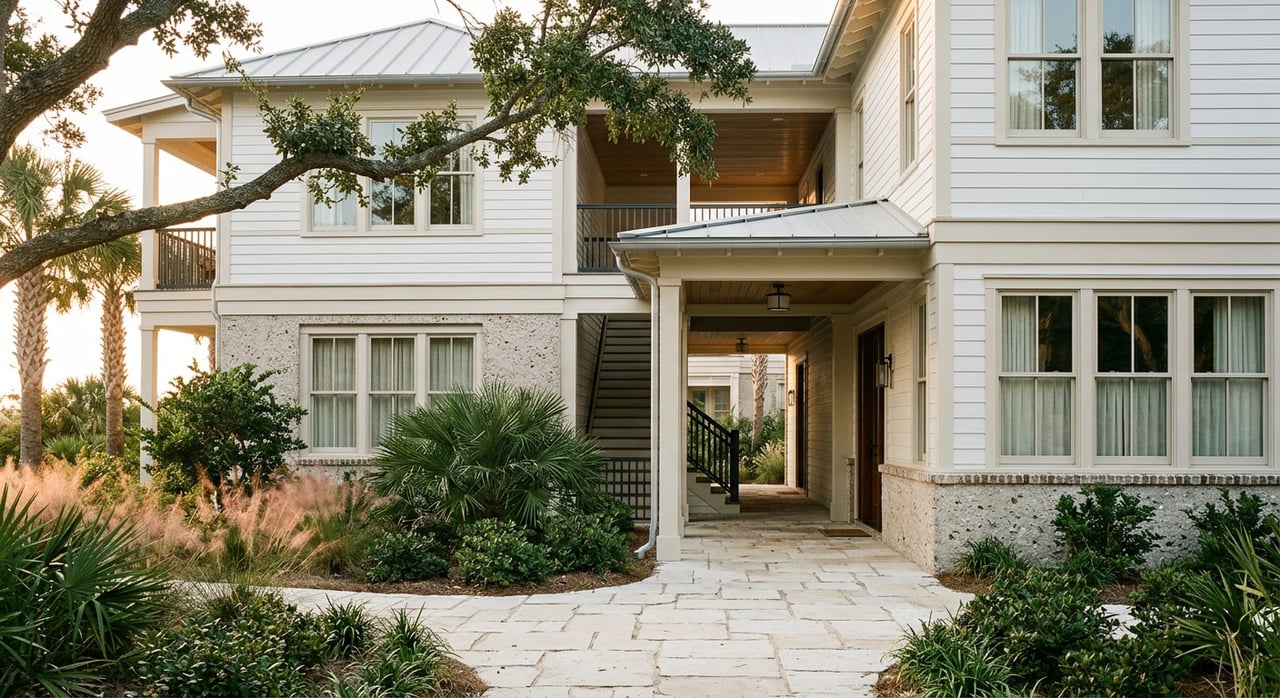
If you want a second home that is simpler to leave for weeks or months at a time, a condo or villa in Wild Dunes often fits that goal well. The shared-maintenance structure means much of the exterior and common-area burden is handled through the association framework.
The Wild Dunes Community Association says its annual assessment funds roadways, lagoons, common-area landscaping, security gates and personnel, insurance, the Property Owners Beach House, and the administration office. For 2026, that assessment is $983 for a dwelling, with an additional $100 rental access fee if the property is used for short-term rentals.
More shared governance
The tradeoff for convenience is less autonomy. In Wild Dunes, all residential properties must apply for a permit and follow Architectural Review Standards, so renovation and exterior-change decisions are more controlled than they would be in a less managed setting.
For many second-home buyers, that structure is a benefit because it creates consistency and helps maintain common areas. Still, if you like making quick exterior changes or handling updates on your own timeline, a condo or villa may feel more restrictive.
A more managed environment
Wild Dunes is a gated-access community, and owners receive annual decals for entry through the Main or Palm Gate. That setup can appeal to buyers who value a more controlled environment for arrivals, guests, and day-to-day access.
Because many condo and villa properties sit within regime associations inside the larger community, you are often buying into multiple layers of management. That can streamline upkeep, but it also means you should understand exactly which association handles what before you buy.
Detached homes on Isle of Palms
More privacy and flexibility
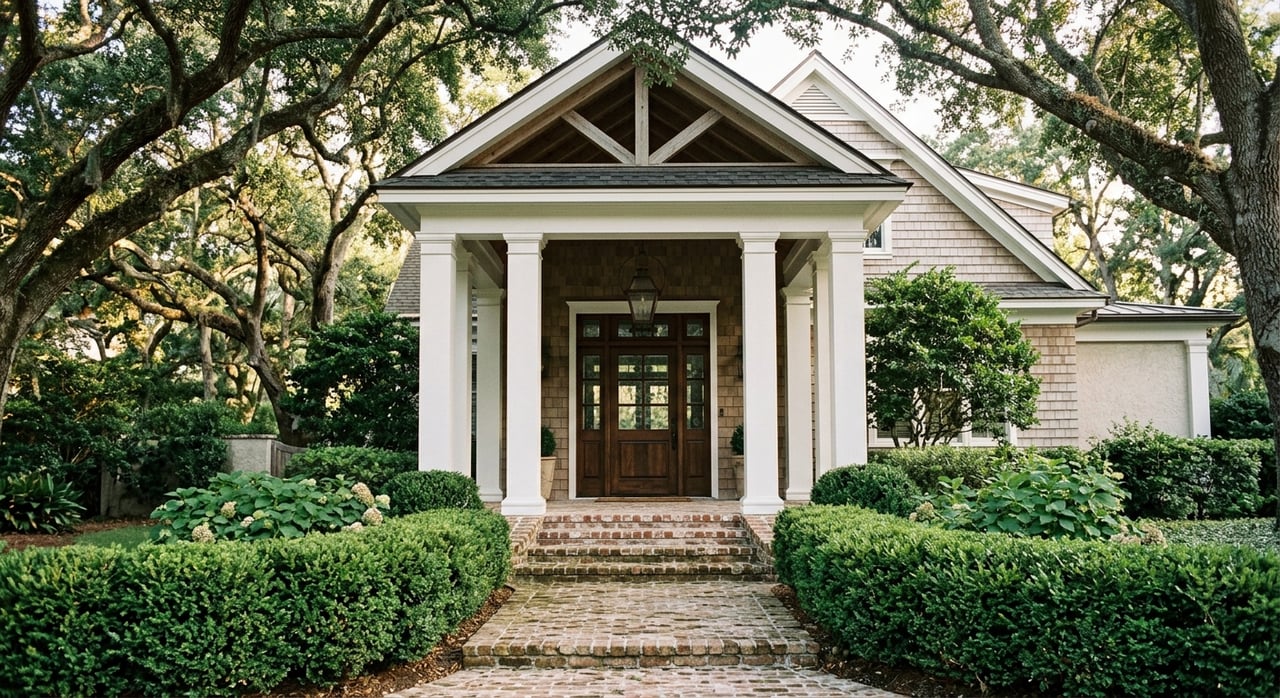
If you are drawn to private outdoor space, a more individualized setting, and greater control over your property, a detached home may be the stronger fit. This is especially true if you want your second home to feel less like a shared community and more like a personal retreat.
A single-family home elsewhere on Isle of Palms generally gives you more autonomy than a condo or villa in a heavily managed regime. In practical terms, that often means more freedom in how you use your home, balanced by more direct responsibility for upkeep.
More hands-on maintenance
That added control comes with a real ownership cost in time and oversight. On a barrier island, storm readiness, exterior wear, and ongoing maintenance are part of the equation for both condos and homes, but detached-home owners usually carry more of that burden directly.
The Isle of Palms Fire Department notes the island responds to hurricanes and floods. That is an important reminder that second-home ownership here should always include a plan for weather preparation and property care.
Amenities are not always automatic
One of the biggest misconceptions buyers have about Wild Dunes is that ownership automatically includes resort amenities. It does not.
The resort highlights amenities such as 36 holes of golf, multiple restaurants, beach access with chair and bicycle rentals, six resort pools, a fitness center, tennis courts, pickleball courts, spa and wellness services, cabanas, shuttle transportation inside the resort gates, and recreation programs. The beach also stretches for 2 1/2 miles of uninterrupted Atlantic frontage.
However, the Wild Dunes Community Association states that owning property does not automatically provide access to amenities such as golf, tennis, or resort-owned pools. It also notes that only Wild Dunes Club Members have access to the resort-owned fitness center or pools.
That distinction matters. If amenities are a major part of your second-home vision, you will want to confirm what comes with ownership and what may require separate membership.
Rental potential and local rules
City rules apply to both homes and condos
If you plan to rent your second home, Isle of Palms has clear local requirements. The city says all owners who rent residential units, including houses and condos, must obtain a short-term rental business license.
The city defines a short-term rental as a dwelling leased for three months or less. Rental units must be offered in their entirety, which means owners cannot rent private rooms or shared rooms within single-family homes.
Occupancy and management rules matter
The city says the typical maximum overnight occupancy is two people per bedroom plus two, up to 12 people, excluding children under two. It also requires a written notice to be posted in the residence and a 24/7 contact number for the owner or owner’s representative, with the ability to be on site within one hour.
For second-home buyers, that means rentals are possible, but they are not passive. Whether you own a condo or a house, you need a reliable system for compliance, guest management, and local responsiveness.
Compliance has real consequences
The city can revoke a rental license when a licensee allows unlawful activity or nuisance behavior, or when five founded complaints occur within a single calendar year. That makes good property oversight essential.
The city also says short-term rental fees are based on gross income, and owners remain responsible for proper tax payment even if a manager collects it. If rental income is part of your plan, understanding the local process early can help you avoid surprises.
Wild Dunes adds another layer
Wild Dunes allows short-term rentals of 30 days or less, but the community adds a $100 annual rental access fee to the assessment invoice. This makes the community usable for rental-minded buyers, though still structured and actively managed.
For condo and villa buyers in particular, this layered system can be appealing because it supports a more turnkey experience. At the same time, it reinforces that ownership inside the resort comes with rules and fees beyond the city requirements.
Maintenance versus control
For many second-home buyers, this is the real decision point. Do you want more shared maintenance and less day-to-day oversight, or more control with more hands-on responsibility?
A condo or villa in Wild Dunes usually leans toward convenience. A detached home on Isle of Palms usually leans toward autonomy. Neither is inherently better. The better choice depends on how you want to live when you are here, and how involved you want to be when you are away.
Which option fits your goals?
A condo or villa may fit you best if you want:
- A lock-and-leave second home
- Shared exterior and common-area maintenance
- A gated, more managed setting
- Proximity to resort-style features
- A property that may feel easier to oversee from afar
A detached home may fit you best if you want:
- More privacy and individualized outdoor space
- Greater control over the property
- Less shared governance
- A home that feels more personal and independent
- Flexibility, while accepting more maintenance responsibility
The bottom line for Isle of Palms buyers
On Isle of Palms, the better question is not simply condo versus house. It is whether you want a second-home experience shaped more by shared structure or by personal control.
If you want easy ownership, a managed environment, and a strong lock-and-leave setup, a condo or villa in Wild Dunes may be the right match. If you value privacy, space, and greater autonomy, a detached home elsewhere on Isle of Palms may serve you better.
The right fit becomes much clearer when you line up your lifestyle, rental goals, and tolerance for maintenance with the realities of island ownership. If you are weighing those options on Isle of Palms, Robertson Allen can help you navigate the details with the local perspective and discretion a coastal second-home purchase deserves.
FAQs
What is the main difference between an Isle of Palms condo and a house for second-home buyers?
- The main difference is usually how much shared structure you want. Condos and villas, especially in Wild Dunes, often offer more shared maintenance and governance, while detached homes generally offer more privacy, control, and direct maintenance responsibility.
Do Wild Dunes owners automatically get resort amenity access with ownership?
- No. The Wild Dunes Community Association says ownership alone does not automatically provide access to amenities such as golf, tennis, or resort-owned pools, and club membership is required for certain facilities.
Are short-term rentals allowed on Isle of Palms homes and condos?
- Yes, but the City of Isle of Palms requires a short-term rental business license for all residential rental units, including houses and condos, when they are leased for three months or less.
Can you rent out just one room in an Isle of Palms house?
- No. The city says rental units must be offered in their entirety, so owners cannot offer private rooms or shared rooms within single-family homes.
What fees should second-home buyers expect in Wild Dunes?
- The Wild Dunes Community Association says the 2026 assessment is $983 for a dwelling, and owners who use the property for short-term rentals also pay a $100 annual rental access fee. Buyers should also review any regime association obligations tied to a specific condo or villa.
Is a detached home on Isle of Palms easier to customize than a condo in Wild Dunes?
- In general, yes. Wild Dunes requires permits and compliance with Architectural Review Standards for residential work, so buyers there should expect more oversight for renovations and exterior changes.