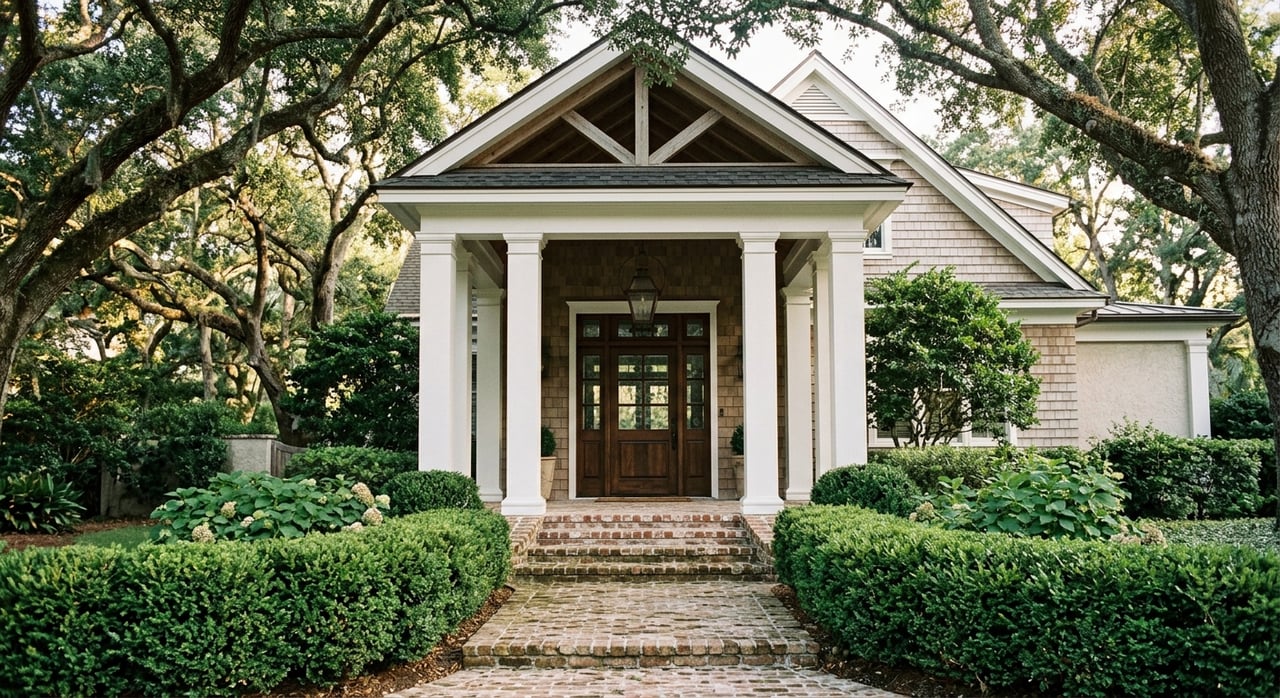
If you are thinking about selling a legacy home on Sullivan’s Island, privacy is probably just as important to you as price. That makes sense. A multigenerational property often carries family history, public visibility, and details you may not want widely circulated. The good news is that a discreet sale is possible, but on Sullivan’s Island, discretion works best when it is paired with careful planning, clean documentation, and a market strategy built for a very specific place. Let’s dive in.
Why Sullivan’s Island Needs a Different Plan
Sullivan’s Island is not a typical residential market. The Town describes it as a low-lying, flood-prone barrier island, and that physical setting shapes everything from building rules to buyer due diligence. When you combine that with a very limited housing supply, selling here often feels more like managing an estate-level asset than listing a standard home.
The market data supports that view. In June 2026, Realtor.com showed 35 homes for sale on Sullivan’s Island, with a median listing price of $5.25 million and a median of $1,563 per square foot. Redfin’s May 2026 data showed a median sale price of $4.697 million and 85 median days on market, which points to a selective, high-value market where buyers tend to move carefully.
That pricing also places the island well above nearby markets. Realtor.com listed median listing prices around $669,000 in Charleston, $1.07 million in Mount Pleasant, and $3.35 million on Kiawah Island. In other words, Sullivan’s Island sits in a rare tier, and that usually calls for a more tailored launch.
What Discretion Really Means
Discretion does not simply mean avoiding attention. It means controlling timing, limiting access, preparing sensitive information in advance, and making sure only serious, financially ready buyers move forward. On a property with history, architectural significance, or family sensitivity, that kind of control matters.
A discreet process often starts before the public ever sees the home. You may choose to organize records, confirm the property’s status with the Town, and quietly position the home for a controlled preview. In a market this small and valuable, that approach can help you protect privacy while still preserving leverage.
At the same time, privacy has real limits. If your home falls within the Town’s Historic Preservation Overlay District or otherwise requires historic review, plans submitted for a Certificate of Appropriateness are public documents. That means the strongest privacy usually exists before formal filings or broad marketing begin.
Historic Rules Can Affect Timing
For many legacy homes, the first question is not marketing. It is compliance. Sullivan’s Island’s Planning & Zoning Department says the Town maintains residential character, protects historic resources, and reviews development projects. The Town also notes that it contains four National Register districts and three local historic districts.
If your property is historic or located within the HP Historic Preservation Overlay District, the Design Review Board has an important role. Town ordinance states that a Certificate of Appropriateness is required before work on a historic property or on any building within the overlay district. Exterior alterations are included, and demolition, moving, or removal of a designated historic property requires Design Review Board approval.
That matters for sellers because buyers at this price point tend to ask detailed questions early. If prior exterior work, additions, or changes were made, a buyer may want to know whether the proper approvals were obtained. Resolving those questions before launch can reduce friction later and help protect your negotiating position.
Flood Documentation Is Not Optional
On Sullivan’s Island, flood risk is part of the sale story. The Town states that the entire island is in a Special Flood Hazard Area and that the island includes both VE and AE zones. The Town also advises property owners to confirm flood designation and obtain an elevation certificate.
For a seller, this is not a minor detail. Flood-zone information, elevation data, and any existing flood-insurance context can shape buyer confidence, lender review, and perceived value. When those materials are clear and organized, the home is easier to evaluate and easier to price credibly.
The Town’s Building Department adds another practical point. It strongly advises any real estate agent assisting a buyer or seller to contact the Building Official before a purchase, and it notes that mortgaged homes are required to purchase flood insurance through the National Flood Insurance Program. In a discreet sale, being ready with this information helps you qualify buyers more effectively and avoid preventable surprises.
Start With a Pre-Launch Review
A private sale works best when the home is prepared like a high-level due diligence package. Before you show the property broadly, it helps to verify the issues that are most likely to matter once a serious buyer, lender, or attorney starts reviewing the file.
A practical pre-launch review may include:
- Confirmation of historic status
- Copies of Certificates of Appropriateness or design-review approvals
- Permit and certificate-of-occupancy records
- Flood-zone and elevation-certificate documents
- Surveys
- Prior renovation files
This kind of preparation does two things. First, it supports discretion by reducing the need for rushed follow-up after tours begin. Second, it shows buyers that the home has been stewarded carefully, which is especially important in the luxury and legacy segment.
Qualify Buyers Without Compromising Fairness
A discreet launch should be selective, but it must also remain compliant. The Fair Housing Act prohibits discrimination in the sale or rental of housing based on protected characteristics. In practice, that means buyer screening should focus on objective transaction factors such as financial readiness, ability to close, and fit for the process itself.
For a Sullivan’s Island legacy property, that often means confirming financing strength before sharing sensitive details or offering a private tour. CFPB guidance advises consumers to gather savings and investment statements, document the source of down payment funds, and seek preapproval. Applied to a private sale, that supports asking for verifiable financial readiness early.
This approach protects your time and your privacy. It also helps ensure that access is being granted for legitimate transaction reasons rather than informal assumptions. On a property of this scale, discipline at the front end usually leads to a smoother process later.
Agency Paperwork Still Matters
Even in an off-market or invitation-only process, the legal structure of representation matters. South Carolina’s brokerage disclosure brochure says a seller becomes a client through a written listing agreement. It also explains that until a party signs a representation agreement, confidentiality is narrower.
That distinction is important if you want a sale handled with real discretion. The state also requires license-status disclosure at first substantive contact, and prior informed written consent is required for disclosed dual agency. If one firm may be communicating with both sides, those agency details should be handled clearly and early.
A private sale can feel informal from the outside, but it should be very orderly behind the scenes. Clean paperwork helps protect confidentiality, reduce misunderstandings, and keep the transaction on stable ground.
Why Attorney Coordination Should Start Early
In South Carolina, attorney involvement is not a formality at the very end. According to South Carolina Bar ethics guidance, title abstraction, document preparation, closing, and recording are all parts of a real estate transaction that must be supervised by a licensed South Carolina attorney.
For a legacy seller, that means legal coordination should begin well before the home goes public. If ownership is held in a trust, estate, family entity, or another layered structure, early attorney review can help clarify what needs to be prepared before offers arrive. That is especially useful when the goal is to keep the process quiet, efficient, and well controlled.
The Bar also notes that a closing attorney may represent multiple parties only with full disclosure and with the parties’ understanding of their right to seek independent counsel. That is another reason to structure the transaction carefully from the start, especially when privacy and clarity are priorities.
Tailor the Marketing to the Asset
Discreet does not mean passive. It means intentional. On Sullivan’s Island, where inventory is limited and values are high, the most effective marketing often focuses on the property’s strongest signals of quality while controlling how broadly those details are distributed.
Feature-trend data from Redfin’s Fall 2025 Sullivan’s Island trend page showed stronger sale-to-list outcomes associated with screened patios, pools, high ceilings, attached garages, and larger lots. That suggests buyers in the island’s upper tier respond to coastal outdoor living, scale, and quality construction details.
For a legacy home, the right presentation may highlight provenance, architecture, lot quality, privacy, and the lifestyle of the property without oversharing family history or operational details. The goal is to create enough intrigue for the right buyer while preserving your comfort and control.
The Best First Step for Sellers
If you want to sell with discretion, the best first move is usually not photography or pricing. It is verification. Confirm the home’s historic status, flood designation, and whether prior work has the approvals and records a serious buyer will expect.
Once that foundation is in place, you can decide how private the launch should be. Some homes benefit from a tightly controlled preview to a qualified audience. Others may still require broader exposure to reach the right buyer. The key is choosing a strategy that fits both the property and your priorities.
On Sullivan’s Island, legacy sales tend to reward preparation, restraint, and local knowledge. When those three elements are aligned, you are in a much stronger position to protect privacy and pursue a premium result.
If you are preparing to sell a legacy home and want a strategy built around stewardship, privacy, and market precision, Robertson Allen can help you plan the right next step.
FAQs
How private can a Sullivan’s Island home sale really be?
- Privacy is usually strongest before formal filings or broad marketing begin. If a property requires Certificate of Appropriateness filings, the Town states those plans are public documents.
What should you verify before listing a legacy home on Sullivan’s Island?
- Start with historic status, flood designation, and whether prior exterior work or renovations have the necessary approvals, permits, and records.
Why does flood information matter when selling a Sullivan’s Island home?
- The Town states the entire island is in a Special Flood Hazard Area, so flood-zone details and elevation-certificate documents can affect buyer confidence, insurance expectations, and pricing credibility.
Why should a South Carolina attorney be involved early in a legacy home sale?
- South Carolina real estate closings are attorney-supervised, and early coordination can help organize title, documents, ownership issues, and transaction structure before the sale becomes public.
How should buyers be qualified in a discreet Sullivan’s Island sale?
- Qualification should focus on objective factors such as financial readiness, source of funds, preapproval, and ability to close, rather than personal characteristics or assumptions.