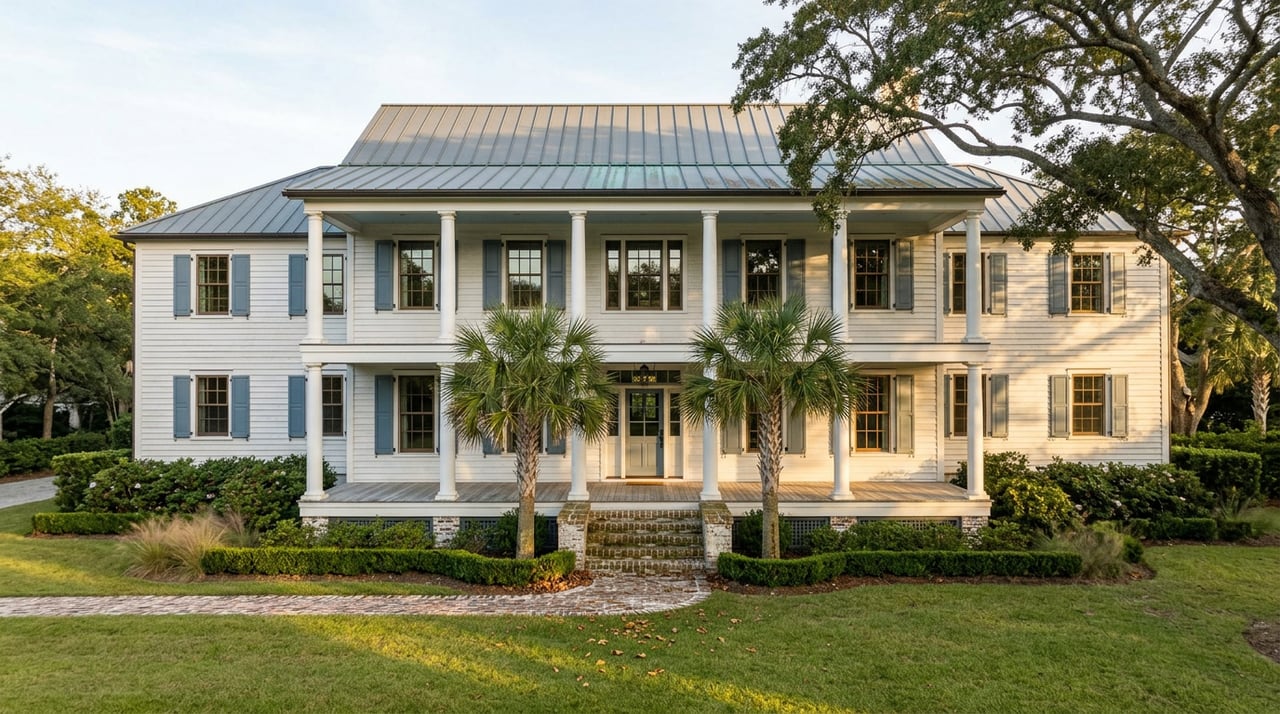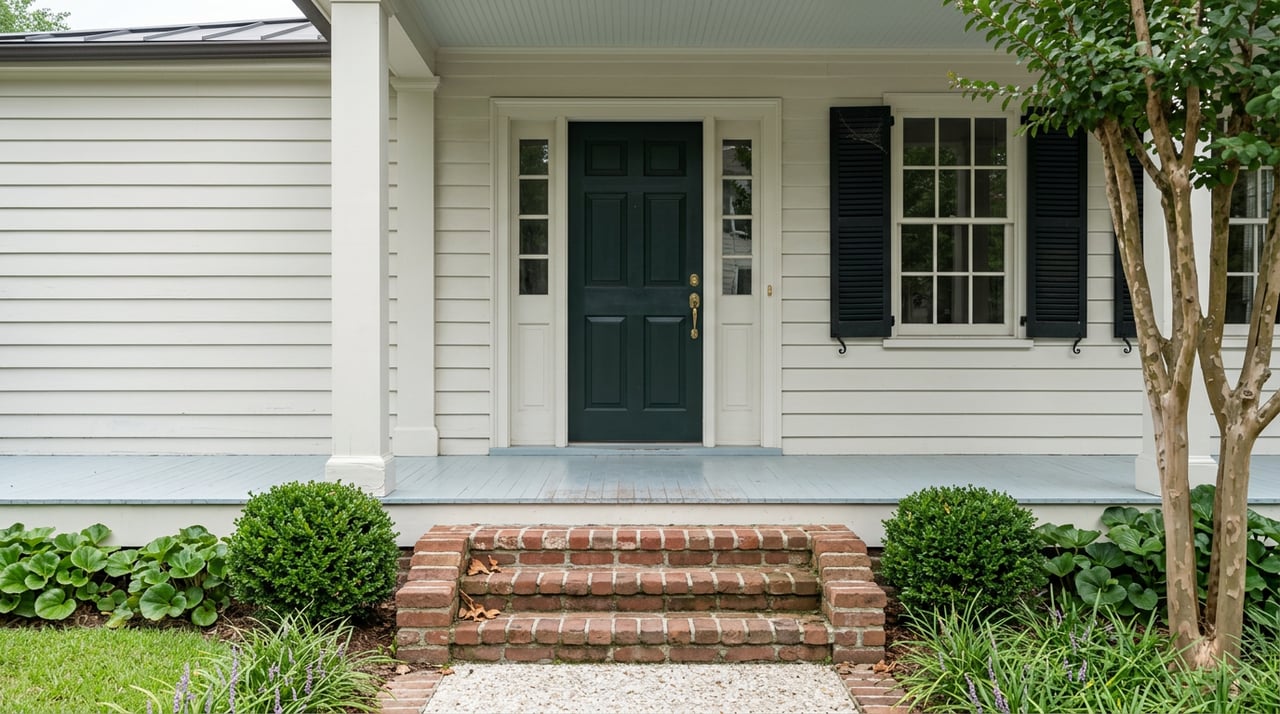
Are you trying to decide when to list or buy in South Mount Pleasant, south of the Isle of Palms Connector? Timing matters here more than you might expect. You want the most eyes on your property if you are selling and the best set of options if you are buying. In this guide, you will learn how each season shapes listings, showings, and contract activity in this coastal pocket, plus practical steps to tailor your move. Let’s dive in.
South Mount Pleasant seasonality at a glance
National and regional data consistently show a clear cycle: activity rises in spring, stays solid into early summer, then cools through late fall and winter as holidays approach. Industry analyses from groups like the National Association of Realtors and leading housing platforms report that March through May often deliver the highest buyer traffic and new listings. Local monthly reports from the Charleston Trident Association of REALTORS reflect similar rhythms across the metro.
In coastal markets like Charleston, tourism adds an extra layer. Spring and fall bring comfortable weather and major events that draw visitors, which can lift second-home and investor interest. Summer beach season raises visibility but can complicate showings in rental-heavy areas. By 2023 and 2024, many communities began normalizing after COVID-era disruptions, yet coastal markets retained a meaningful share of remote and relocation buyers who operate on slightly different calendars.
Spring: peak visibility and pace
Spring is typically the most active period for new listings, showings, and pending contracts. Buyers who started planning over the winter become decision-ready, and sellers benefit from increased foot traffic and shorter days on market.
- If you are selling: Expect more viewings and stronger competition among buyers. You will also face more competing listings, so presentation and pricing precision matter.
- If you are buying: You will find the most choice, but you should be prepared for multiple-offer scenarios and tighter timelines on inspections and decisions.
Early summer: family moves and focus
June and July often remain strong, particularly for households that plan moves around the Charleston County School District calendar. Military PCS activity tied to Joint Base Charleston also clusters in late spring and summer, which supports steady demand for well-located homes south of the Connector.
- If you are selling: Activity is still high, but vacation schedules can make weekday and weekend showings less predictable. Plan clear showing windows.
- If you are buying: Have lending and insurance lined up early. Contract windows can be short when families aim to move before school starts.
Fall: motivated demand, fewer listings
In coastal Charleston, fall can deliver a second bump in tours and offers. Pleasant weather, cultural events, and investor planning for the next rental cycle bring qualified traffic. Inventory often thins compared with spring, which can help well-positioned listings stand out.
- If you are selling: You may see fewer total showings than spring, but buyer motivation can be higher. Pricing strategy should reflect current comps and days-on-market trends.
- If you are buying: You can gain leverage with flexible closing dates or repair terms, especially where listings have lingered.
Holiday and winter: slower but serious
From late November through January, new listings often dip and showings slow as travel and holidays take center stage. Serious buyers keep searching, and January typically brings a rebound in online search activity even if inventory remains lean.
- If you are selling: Expect fewer but more intentional showings. With less competing inventory, a well-prepped home can shine. Plan around holiday decor, photography, and limited daylight hours.
- If you are buying: There is less selection, yet you may encounter less competition and more flexibility on terms.
Tourism and events: coastal effects
Tourism shapes South Mount Pleasant in subtle, practical ways. Spring and fall festivals and cultural programming boost short-term occupancy and raise the profile of nearby neighborhoods. Summer beach season increases overall foot traffic to Isle of Palms and Sullivan’s Island, which can elevate interest in homes with vacation or rental appeal.
For buyers exploring second homes or investment properties, these cycles influence expectations around rental income and showability. For sellers, they affect the logistics of photography, open houses, and mid-stay showings for active rentals.
Supply, STRs, and new builds
Short-term rental activity and municipal rules influence investor appetite and seasonality within certain micro-areas. Always confirm current Mount Pleasant and nearby beach-town regulations since policy changes can alter projections quickly. New construction can also introduce time-specific bursts of inventory if builders deliver new phases in spring or summer. That can add competition in certain price bands while improving choice for buyers.
Price bands and property types
Seasonality is not uniform across South Mount Pleasant. It varies by price and property type.
- Entry level: These homes often move quickly year-round, with a noticeable lift in spring.
- Mid-market family homes: Expect the most pronounced spring and early-summer concentration tied to school calendars and PCS moves.
- Upper end and luxury: Longer marketing windows are common, and buyer availability is less tied to school calendars. Interest from second-home buyers may align with spring and fall visits. Waterfront and marina-adjacent properties can see more season-linked activity.
Seller strategies by season
Choose your timing based on your priorities and the likely tradeoffs.
- Spring: Best when you value speed and price tension. You will need standout marketing and calibrated pricing to win against more competing listings.
- Early summer: Focus on showability and flexible scheduling. Consider pre-inspections and clear disclosure packages to speed decisions for deadline-driven buyers.
- Fall: Position for motivated, qualified buyers. Fine-tune pricing to reflect slightly lower buyer volume and use targeted marketing to reach relocation and investor segments.
- Holiday and winter: Emphasize readiness and presentation. With fewer listings, professional staging and high-end visuals can create outsize attention, even with a smaller pool of buyers.
Buyer strategies by season
Time your search around access to inventory and your comfort with competition.
- Spring: Cast a wide net and get fully underwritten early. Use tight terms and clear timelines to compete.
- Early summer: If schools matter to you, move decisively. Ask your agent to pre-clear inspection availability and HOA disclosures to avoid delay.
- Fall: Target opportunities with longer days on market. Consider flexible possession or repairs to secure value.
- Winter: Use lower competition to your advantage. Stay patient and be ready to act quickly when the right home appears.
What to measure before you time your move
A data-informed plan beats assumptions. For South Mount Pleasant, ask for a 24 to 36-month view of key metrics. Focus on your neighborhood and price band.
Core monthly indicators:
- New listings per month to understand supply timing.
- Pending contracts per month to track real-time demand.
- Closed sales per month for lagged confirmation.
- Median days on market for market velocity.
- Median list-to-sale price ratio for negotiation pressure.
- Months of inventory for buyer-versus-seller dynamics.
- Showings per listing to gauge actual buyer interest.
- Price-band and property-type breakdowns to see where seasonality is strongest.
- New construction versus resale share to spot shifts in comps.
Contextual datasets:
- Short-term rental occupancy and rates if rental use is possible.
- School calendar markers and major event schedules.
- Military PCS timing and employer relocation cycles.
How to interpret it:
- Compare the same month year over year, not just month to month.
- Treat showings and pendings in March through May as leading indicators for early summer.
- Segment by price band to avoid misreading broad market headlines.
How we tailor timing in South Mount Pleasant
When you want a premium result, your timing should reflect real, local signals. A custom review for South Mount Pleasant will pull Charleston Trident Association of REALTORS monthly stats, showings-per-listing trends, and neighborhood-level comps, then overlay school and event calendars, short-term rental performance if relevant, and known military relocation windows. The goal is to forecast likely days on market, expected list-to-sale ratios by month, and your probability of multiple offers in your specific price band.
With the right strategy, you can choose the month that fits your objectives, stage and price to match the season, and negotiate with confidence.
If you would like a confidential, data-driven timing plan for your property or search south of the IOP Connector, reach out to Robertson Allen to schedule a private market consultation.
FAQs
What is the best month to list in South Mount Pleasant?
- Spring typically delivers the most buyer traffic and faster contract activity, but the best month depends on your price band, property type, and current local metrics like days on market and list-to-sale ratios.
How do school calendars affect timing in Mount Pleasant?
- Family moves often concentrate in late spring and early summer to align with school start dates, which can increase listings and pendings in March through August.
Do military PCS moves impact demand near South Mount Pleasant?
- Yes, Joint Base Charleston-related relocations cluster in late spring and summer, creating seasonal pockets of demand that can influence both showings and offer timing.
How does tourism shape investor and second-home interest?
- Spring and fall events can raise short-term occupancy and visibility, while summer beach season heightens attention on vacation-capable properties, sometimes complicating showings in rental-heavy areas.
Is winter a bad time to buy or sell in South Mount Pleasant?
- Not necessarily. Winter brings fewer listings and fewer showings, yet buyers tend to be more serious and sellers face less competition, which can benefit both sides with the right strategy.
What data should I review before setting a list date south of the IOP Connector?
- Ask for 24 to 36 months of new listings, pendings, closings, median days on market, list-to-sale ratios, months of inventory, and showings per listing, all segmented by your price band and property type.