Planning to paint, add solar, or replace windows on a Charleston peninsula home? Before you lift a hammer, the City’s historic rules likely apply. You want to protect your property’s value, avoid delays, and keep your vision intact. In this guide, you will learn how the Board of Architectural Review works, when a Certificate of Appropriateness is required, and how to plan projects that move forward smoothly. Let’s dive in.
BAR and COA, in plain English
The City of Charleston protects the historic character of the peninsula through its Board of Architectural Review. The BAR reviews proposed exterior changes in local historic districts to make sure work fits the neighborhood’s character. The City sets the BAR’s authority and procedures by ordinance, and the planning and preservation staff are your official point of contact. Start with the City’s resources and staff guidance on the City of Charleston planning and historic preservation.
A Certificate of Appropriateness (COA) is the approval you need before most visible exterior changes. Without a COA, you risk stop-work orders, fines, and costly do-overs.
Local versus state and federal listings
Local historic district rules are different from state or federal listings like the National Register of Historic Places. Your property can have more than one designation, but local BAR rules control exterior changes inside the City’s local historic district. Many local criteria rely on national guidance from the Secretary of the Interior’s Standards for Rehabilitation.
Contributing versus non-contributing
A contributing building adds to the district’s historic character and usually faces closer review. A non-contributing or newer structure often has more flexibility, but still requires BAR review for visible exterior work inside the district.
Do you need a COA?
A good rule: if someone on the street can see it, ask the City before you start. Most exterior changes in the local historic district need a COA. Common examples include:
- New construction or additions
- Demolition, full or partial
- Changes to windows, doors, porches, or stoops
- Roofing material changes and visible vents or skylights
- Visible mechanical equipment or solar installations
- Fences or walls over certain heights, and site features like driveways or paving
Routine maintenance and exact replacement-in-kind may qualify for staff approval. Always confirm with City staff first.
How review works
Types of review
- Full BAR hearing: Major alterations, demolition, new construction. Public notice and neighbor comment are common.
- Staff-level approval: Minor, clearly compliant work and some like-for-like replacements under delegated authority.
- Emergency or temporary work: Allowed for urgent repairs, but you must notify the City and follow emergency procedures.
What to submit
Expect to provide clear documentation so the BAR can understand the change and its context:
- Scaled site plan and elevations
- Photos of existing conditions and the streetscape
- Written description of proposed materials, colors, and finishes
- Product specs for windows, roofing, HVAC screens, or solar panels
- For demolition: structural reports and condition documentation
- For additions or new construction: survey, floor plans, height data, and materials palette
Timeline and meetings
Timelines vary by the City’s calendar. Many boards meet monthly or twice monthly, with several weeks between filing and a hearing. If revisions are requested, plan for additional time. Building permits typically require an approved COA first.
Outcomes and enforcement
The BAR can approve, approve with conditions, or deny applications. Doing work without the required COA can trigger stop-work orders, fines, and orders to restore prior conditions. When in doubt, contact the City before you begin.
Common projects and what the BAR looks for
Windows and doors
Windows and doors define a building’s character. Expect close review of proportions, profiles, and materials. Replacement of original historic sash is usually discouraged unless necessary. If replacement is allowed, you will likely need compatible muntin patterns and rail profiles. Storm windows or interior storms are often acceptable alternatives that preserve original fabric.
Porches and railings
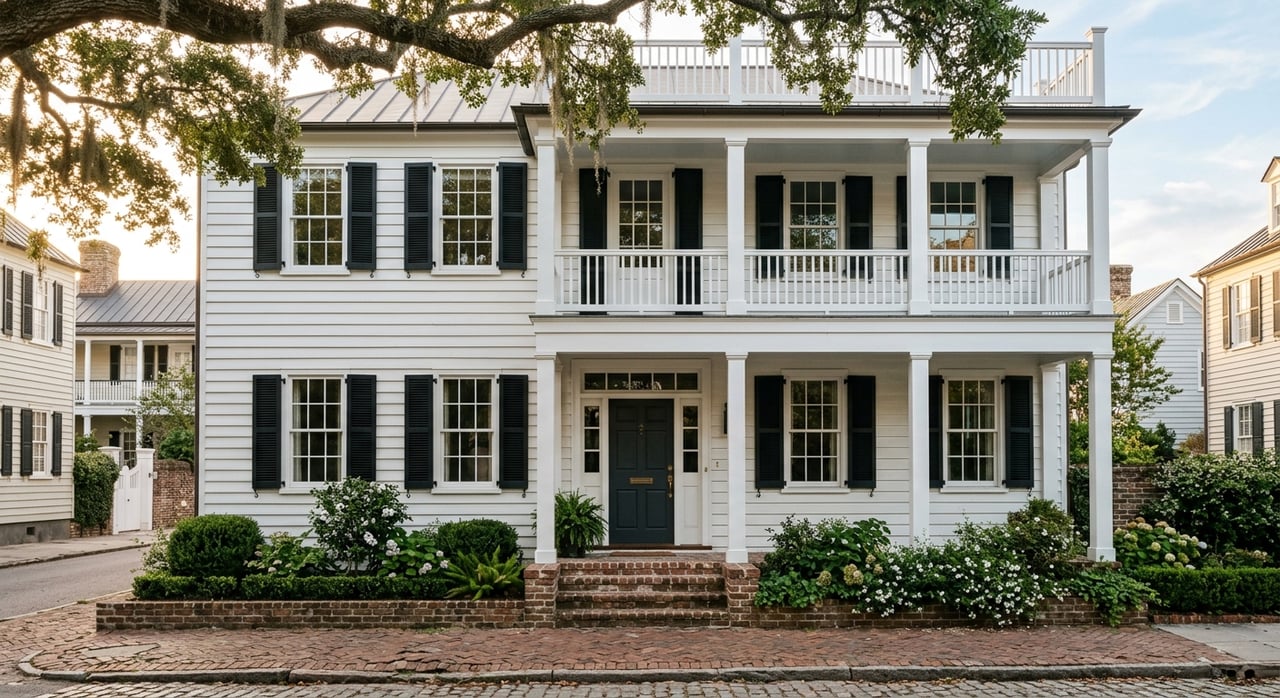
Porches on the peninsula are signature features. The BAR pays attention to form, posts, balusters, steps, and decorative details. In-kind replacement of deteriorated parts is usually fine. Enclosing a porch or changing the fenestration pattern typically requires full review and strong justification.
Roofs, chimneys, and cornices
Material and form matter. Traditional materials, such as standing seam metal or slate, may be preferred where historically appropriate. New skylights, vents, and other penetrations are often regulated to reduce visibility from the public right of way.
Paint, finishes, and masonry
Treatments that damage historic fabric, such as sandblasting masonry or removing paint from surfaces that were historically painted, are often restricted. In some districts, paint color on primary elevations is a review item. Check current City policies before you plan a change.
Additions and new construction
The BAR evaluates massing, height, setbacks, the rhythm of openings, and materials. Context-sensitive design is key. Additions that are subordinate to the original structure and can be reversed are more likely to succeed.
Demolition
Demolition of contributing buildings is heavily scrutinized and may be delayed or denied. Expect extensive documentation and proof that alternatives were considered. Demolition of non-contributing structures or later additions may be more flexible but still requires review.
Solar, satellite, and mechanical equipment
You can often install solar panels if you minimize visibility from public streets, such as placing them on rear roof slopes. Ground-level equipment may require screening. Mounting details and placement matter.
Fences, paving, and site features
The BAR weighs height, transparency, and materials, especially in front yards. Changes to curb cuts or driveways that alter historic streetscape patterns often need review.
Buyer due diligence checklist
- Confirm location and status. Verify that the property is inside the City’s local historic district and whether it is contributing or non-contributing. City staff can advise on current status.
- Request the paper trail. Ask the seller for prior COAs, plans, and correspondence with the BAR. Past approvals show what has been allowed and help shape expectations.
- Add a COA contingency. If you plan exterior work, build time into your contract to consult City staff, preservation professionals, and to test a concept if needed.
- Bring preservation expertise. Hire a preservation-savvy contractor or architect to estimate costs and advise on likely approvals.
- Budget for time. Staff approvals can be faster, but full BAR reviews can take weeks to months, especially with revisions.
Seller preparation checklist
- Organize records. Compile prior BAR approvals and as-built drawings to support buyer confidence.
- Pre-listing consult. If you plan pre-sale repairs, ask City staff whether a COA is required and if staff can approve it administratively.
- Avoid unpermitted changes. Visible exterior work without a COA can complicate a sale and trigger enforcement.
Practical next steps
- Start with the City. Review current procedures and contact staff through the City of Charleston planning and historic preservation. City webpages carry the authoritative forms, deadlines, fees, and contacts.
- Use national guidance. The Secretary of the Interior’s Standards for Rehabilitation offer widely accepted principles that many local boards follow.
- Explore local preservation resources. The Historic Charleston Foundation, the South Carolina Department of Archives and History, and the National Trust for Historic Preservation provide additional context and best practices.
- Prepare strong submissions. Invest in clear drawings, accurate photos, and detailed material specs to reduce back-and-forth.
- Plan for visibility. Describe where each change will be visible from the street and how you will minimize visual impact.
Charleston’s historic districts are special because owners like you steward these homes with care. With the right plan, you can respect the architecture, meet City requirements, and achieve a beautiful result. If you are considering a purchase or planning to sell on the peninsula, connect with a broker who blends market acumen with preservation-focused guidance. For discreet, white-glove representation, schedule a conversation with Robertson Allen.
FAQs
What is the City of Charleston BAR and why does it matter?
- The Board of Architectural Review is the City’s review body for exterior changes in local historic districts, and its approval is required for most visible work through a Certificate of Appropriateness.
Do I need a COA to replace windows on a peninsula home?
- Often yes, especially for contributing buildings; expect requirements for matching profiles, proportions, and muntin patterns, with in-kind repair preferred over full replacement.
Can I install solar panels on a historic home in Charleston?
- Frequently, if panels are located to minimize public visibility and mounting details are compatible; placement and screening are key review points.
How long does it take to get a COA in Charleston?
- Timelines vary from weeks to months, depending on staff approval versus full BAR hearings and whether revisions are requested; check the City’s current schedule.
Can I demolish a contributing structure on the peninsula?
- Demolition of contributing buildings faces the highest level of review and may be delayed or denied; you will need extensive documentation and justification.
What happens if work starts without a COA in Charleston?
- The City can issue stop-work orders, fines, and require restoration to prior conditions; always verify requirements before starting visible exterior work.
Are exterior paint colors reviewed in Charleston’s historic districts?
- Policies vary by district; some primary facades may be subject to review, so confirm with City staff and current rules before selecting colors.